📅 Last updated: 26.08.2026
Zanzibar spice farms are not merely agricultural plots; they are living, breathing museums of a global history that remade the world, where the scent of cloves, nutmeg, and vanilla hangs in the humid air like a tangible ghost of the past and a promise of the future. To walk through the tangled greenery of a farm in the island’s interior is to step into a story that begins with Omani dhows, winds through the brutal corridors of the 19th-century slave trade, and culminates in the delicate, fragrant blossoms that now perfume kitchens from Stone Town to Stockholm. The archipelago, often called the “Spice Islands,” has traded on its aromatic reputation for centuries, but the reality of these farms today is a complex tapestry of heritage, horticulture, and hustle — a place where the legacy of empire is literally rooted in the soil.
- The Historical Roots of the Zanzibar Spice Farms: A Legacy of Trade and Power
- Exploring the Zanzibar Spice Farms: A Sensory Journey Through Kidichi and Kizimbani
- The Core Spices of Zanzibar: A Botanical Profile
- From Farm to Table: The Spice Farms in the Modern Culinary and Economic Landscape
- Practical Guide: Visiting the Spice Farms of Zanzibar
- The Global Diaspora and the Scent of Home
- Conclusion: The Perennial Allure of the Spice Islands
The Historical Roots of the Zanzibar Spice Farms: A Legacy of Trade and Power
The story of the spice farms is inseparable from the rise of the Omani Sultanate in the 19th century. While cloves were not indigenous to the island, having been brought from the Maluku Islands in Indonesia, it was Sultan Seyyid Said who, in the 1830s, aggressively mandated their cultivation. He moved his capital from Muscat to Stone Town in 1840, shifting the center of his maritime empire and transforming Zanzibar into the world’s largest producer of cloves. By the 1860s, the island was responsible for over 90% of the global clove supply, a monopoly that generated immense wealth but came at a devastating human cost.
This agricultural boom was fueled by the labor of enslaved people, who worked the plantations in brutal conditions. The spice farms of the interior, particularly around the districts of Kizimbani and Kidichi, were not just gardens; they were industrial engines of the 19th-century economy. The wealth generated by these farms funded the construction of the grand coral-stone buildings of Stone Town and the opulent palaces of the sultans. However, the plantation economy also created a deep social schism that still echoes in the political landscape of the islands today, a reminder that the scent of the spice is forever tinged with the memory of that suffering.
When the British Protectorate was established in 1890, the clove trade remained the economic backbone, though the abolition of slavery in 1897 gradually shifted labor dynamics. The Zanzibar Revolution of 1964, which overthrew the Arab-dominated sultanate, led to the nationalization of many of these farms. Today, the land tenure system is a mix of nationalized estates and smallholder plots, where a farmer might cultivate a few hundred trees alongside his cassava and bananas, preserving the agricultural DNA of the island while navigating the demands of a modern global economy.
The Geography of Scent: Where the Farms Thrive
To truly understand the Zanzibar spice farms, one must look at the geography. The fertile, red-clay soil of the western and central regions of Unguja (the main island) is ideal for the shallow-rooted clove trees. The high humidity and consistent rainfall, distributed between the long rains (Masika) from March to May and the short rains (Vuli) from October to December, create a microclimate that mimics the tropical conditions of the trees’ Southeast Asian origins. Most of the spice farming is concentrated in a belt that runs roughly from the north of the island down to the central district, with the most famous tourist-facing farms located just a short drive from Stone Town.
The farms themselves are often polycultural, a stark contrast to the monoculture plantations of the colonial era. A single plot might contain clove trees planted alongside cinnamon, nutmeg, black pepper vines climbing up the trunks of taller trees, and a leafy canopy of jackfruit and mango providing shade. This intercropping is not just a nod to tradition; it is a practical strategy for food security and soil health. Walking through these farms, you are less likely to see neat rows and more likely to see a chaotic, beautiful jungle where every plant has a purpose — a living pantry and pharmacy that has sustained the islanders for generations.
Exploring the Zanzibar Spice Farms: A Sensory Journey Through Kidichi and Kizimbani
For the visitor, the quintessential experience of the Zanzibar spice farms is found in the two government-run estates of Kidichi and Kizimbani, located about 20 to 30 minutes’ drive from the hustle of Stone Town. These farms are the standard-bearers of the spice tour, a ritual that has become as synonymous with Zanzibar as the dhows in the harbor. You do not just see the spices here; you are invited to taste, smell, and touch them, guided by local experts who have inherited a vast botanical knowledge passed down through generations.
Upon arrival, you are often greeted by a guide who will immediately put you to work. You might be handed a cinnamon stick and a piece of bark to compare, or asked to identify the distinct, eucalyptus-like kick of a cardamom pod. The tour is interactive and theatrical. The guides, often dressed in vibrant kanga cloth, will skillfully peel a nutmeg from its bright red mace, explaining that both are used in cooking but have very different flavor profiles. They will show you how to crack a black peppercorn and smell the difference between the green, white, and black versions of the same berry.
But the experience is more than just a sensory checklist. The guides weave in anecdotes about the history of the Omani settlers, the folklore of the plants (such as the “Ylang-Ylang” flower, whose name translates to “flower of flowers” and is used in Chanel No. 5), and the practical medicinal uses of the herbs. You’ll learn that the lipstick plant (Achiote) is used for body paint and food coloring, and that the lemongrass you are smelling is brewed into a tea to settle the stomach. It is a holistic education, a crash course in ethnobotany that leaves you with a profound respect for the botanical wealth of the island.
The Art of the Tour: Beyond the Tourist Trail
While the tours at Kizimbani and Kidichi are well-trodden, they are conducted with a level of professionalism and enthusiasm that elevates them beyond a simple walk in the garden. The guides are often farmers themselves, and their pride in their work is palpable. They will demonstrate how a ripe vanilla pod is pollinated by hand — a painstaking process that must occur within a 12-hour window of the flower opening, which is why true vanilla is so expensive. They will also show you how to identify a ripe clove bud (it should snap cleanly when bent) and explain the drying process that turns the green buds into the dark, aromatic spikes we use in cooking.
There is, however, a commercial undercurrent to these tours. The climax of the visit often involves a trip to the farm’s gift shop, where you can purchase the very spices you have just seen growing, along with essential oils, soaps, and perfumes. This is a vital source of income for the guides and the local economy, but it is worth approaching with a discerning eye. Prices are often negotiable, and while the quality is generally high, you can often find the same spices for a fraction of the price in the Darajani Market in Stone Town. The value of the tour, however, lies in the education and the experience, not just the shopping.
The Core Spices of Zanzibar: A Botanical Profile
To appreciate the Zanzibar spice farms, one must know the cast of characters. The islands grow a staggering variety of spices, but a few stand out as the undisputed stars. The following table provides a snapshot of the primary spices you will encounter, their uses, and their significance to the local economy.
| Spice | Botanical Origin | Primary Use & Notes | Zanzibar Significance |
|---|---|---|---|
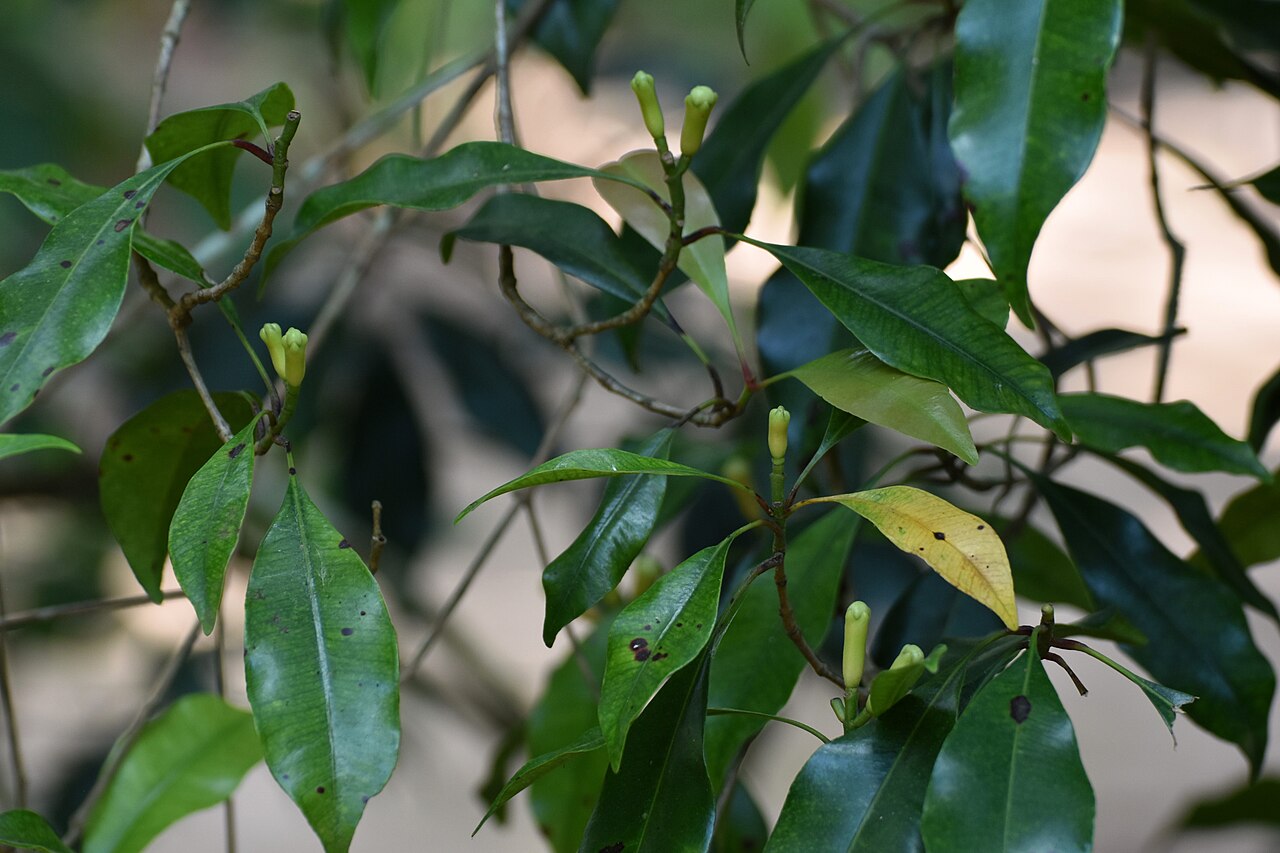
| Clove (Syzygium aromaticum) | Dried flower buds of the Myrtaceae tree | Used in curries, baked goods, and mulled drinks. Possesses antiseptic properties. | The “King of Spices” — historically the main export, still a major crop for smallholders. |
| Nutmeg & Mace (Myristica fragrans) | The seed (nutmeg) and the aril (mace) of the fruit | Ground for desserts, savory sauces, and spice blends. Has psychoactive properties in large doses. | Grown widely; the bright red mace is a visual highlight of any farm tour. |
| Cinnamon (Cinnamomum verum) | The inner bark of the tree | Used in baking, curries, and teas. Known for its warming sweetness. | Often called “true cinnamon” (Ceylon), distinct from the cassia common in supermarkets. |
| Black Pepper (Piper nigrum) | The dried fruit of the vine | Used as a universal seasoning; also has digestive benefits. | Grown on vertical trellises, often winding up the trunks of other trees. |
| Vanilla (Vanilla planifolia) | The fermented, cured pod of the orchid | Used in desserts, perfumes, and aromatherapy. | A high-value, labor-intensive crop, requiring meticulous hand-pollination. |
Beyond these core five, the farms are bursting with other aromatic treasures. Cardamom, with its intense, resinous sweetness, is a prized addition to coffee and rice dishes. Turmeric and ginger roots are pulled fresh from the earth, their vibrant colors staining the red soil. Lemongrass and bay leaves provide the savory base for many local stews. And then there are the fruits: the spiky jackfruit, the sweet pineapple, and the fragrant Zanzibar apples (a type of water apple), which are not spices but are integral to the polycultural farm ecosystem, providing shade and food for the farmers and their families.
From Farm to Table: The Spice Farms in the Modern Culinary and Economic Landscape
The role of the Zanzibar spice farms extends far beyond the tourist trail. They are the foundation of a culinary identity that is unique to the Swahili coast. The famous Zanzibar pilau rice, a fragrant dish of basmati rice cooked in a rich broth of coconut milk, spices, and meat, is a direct descendant of the spice trade. The islands’ signature biryanis, supu ya wiki (vegetable soup), and the ubiquitous mkate wa kumimina (a spiced pancake) all rely on the aromatic bounty grown just a few kilometers away.
In recent years, there has been a conscious effort to modernize the spice industry. The Zanzibar government, alongside non-governmental organizations, has been working to improve the quality of the clove crop through better drying techniques and disease-resistant rootstock. The global demand for organic and ethically sourced spices is also opening new markets for smallholder farmers. However, the industry faces significant challenges. Aging trees, fluctuating global prices, and the impacts of climate change — particularly the unpredictable rainfall patterns that affect flowering — are constant threats to the farmers’ livelihoods.
The social dimension of the spice farms is also evolving. While the large plantations of the past are gone, the farms today are primarily smallholdings, often managed by families who have worked the land for generations. Women play a crucial role in the post-harvest process, particularly in the sorting, drying, and packaging of the spices. In the tourist-facing farms, there is a growing emphasis on community-based tourism, where a portion of the tour fees goes directly back into the local village, funding schools or water projects. This modern approach offers a more equitable model than the extractive practices of the past, positioning the spice farms as a potential engine for sustainable development, even as they remain a powerful link to a complex history.
The Climate Challenge and the Future of Clove
One cannot discuss the future of the Zanzibar spice farms without addressing the looming threat of climate change. Clove trees are notoriously sensitive to shifts in rainfall and temperature. The flowering season, which typically peaks from September to February, is being disrupted by more intense and unpredictable weather patterns. In 2019, a severe drought significantly reduced the clove harvest, leading to a spike in prices and economic hardship for many farmers. Research institutions, including the Zanzibar Agricultural Research Institute (ZARI), are actively working on developing more resilient clove varieties and promoting water conservation techniques to help the farms adapt to a warming world.
The adaptation is not just about survival; it is about innovation. Some farmers are diversifying their crops, focusing on high-value items like vanilla and cardamom, which are less vulnerable to drought than cloves. Others are turning to agro-tourism, building small guesthouses on their farms to offer visitors a more immersive experience that goes beyond the standard two-hour tour. This shift from a pure commodity-based economy to a service-oriented one is a key strategy for the long-term viability of the spice farms. It allows the farmers to capture more of the economic value generated by their land, rather than relying solely on the volatile international commodity markets.
“When you stand in the middle of a spice farm, you are standing in the middle of history,” says Mwalim Hassan, a third-generation farmer from Kizimbani. “But you are also standing in the middle of a business. The tourists come for the smell, but we live by the harvest. It is our job to make sure the smell and the harvest survive together.”
Practical Guide: Visiting the Spice Farms of Zanzibar
For those planning a visit, a trip to the spice farms is an essential half-day excursion. Here are a few practical tips to make the most of your experience and ensure you are engaging with the local economy responsibly.
- Where to Go: The most popular and accessible farms are Kizimbani and Kidichi, both about a 20-30 minute drive from Stone Town. For a slightly less commercial experience, consider asking your hotel to arrange a visit to a smaller, family-owned farm in villages like Mkunazini or Kiwengwa.
- What to Expect: Tours typically last 1.5 to 2 hours and involve a lot of walking on uneven, narrow paths. Wear closed-toe shoes and bring insect repellent. The sun is intense, so a hat and sunscreen are essential.
- Negotiating: The price for a private tour is usually negotiable. A fair price for a group of two to four people is around $15-20 USD, which includes the guide’s fee. Be prepared to bargain, but remember that this is their primary income.
- The Gift Shop: You will be taken to a gift shop. While the spices are fresh, the prices are inflated for tourists. If you want to buy spices, note what you like at the farm and then purchase them at the Darajani Market in Stone Town for a fraction of the cost.
- Tipping: A tip of $5-10 USD per person for the guide is customary and greatly appreciated, as the base tour fee often goes to the farm owners rather than the individual guide.
Beyond the Spices: What Else to See in the Region
The area surrounding the spice farms offers a deeper dive into the island’s heritage. Just a short distance from the Kidichi farm is the Kidichi Persian Baths, built in 1850 for the wife of Sultan Seyyid Said. The ornate plasterwork and sunken baths are a fascinating glimpse into the opulent life of the ruling elite. Nearby, the Mtoni Palace ruins, once the main residence of the sultan, stand as a haunting reminder of the island’s imperial past. Combining a visit to these historical sites with the spice farm tour creates a more complete picture of Zanzibar’s layered history, connecting the luxury of the palace to the labor of the plantation.
For the more adventurous traveler, the Jozani Forest Reserve is located in the same central region of the island. This is the last remaining habitat of the endemic Zanzibar red colobus monkey, a striking primate found nowhere else on Earth. The forest’s swampy, mangrove-lined trails offer a starkly different ecosystem to the manicured chaos of the spice farms, showcasing the island’s biodiversity. You can easily combine a morning at the spice farm with an afternoon at Jozani, making for a full day of ecological and historical discovery.
The Global Diaspora and the Scent of Home
The influence of the Zanzibar spice farms reaches far beyond the shores of the Indian Ocean. The aromatic profile of Zanzibari food is the culinary language of the Swahili diaspora, a community that stretches from Oman to the coastal cities of Mombasa and Dar es Salaam, and further afield to the United Kingdom, the United States, and the Gulf States. For many in the diaspora, the scent of cloves and cardamom is not just a pleasant memory; it is a visceral connection to a homeland they may have never seen, a taste of identity passed down through family recipes.
The spice farms, therefore, serve as a cultural anchor. They are the source of the ingredients that define the festive dishes of Eid, the spiced teas served in the barazas (sitting rooms) of Omani families, and the intricate spice blends sold in specialty shops in London or New York. In this sense, the farms are not just a tourist attraction; they are a vital node in a global network of cultural memory and commerce. The continued health of these farms is not just an agricultural concern; it is a matter of cultural preservation for a people scattered across the world.
Conclusion: The Perennial Allure of the Spice Islands
The Zanzibar spice farms are a profound testament to the island’s resilience and its inextricable link to the natural world. They are a place where the brutality of history and the beauty of nature coexist, where the legacy of slavery is interwoven with the entrepreneurial spirit of modern farmers, and where the scent of the past is the currency of the future. To visit them is to engage with a living archive, a sensory history lesson that is as relevant today as it was in the time of the sultans.
As the world moves faster and our food becomes increasingly homogenized, the spice farms of Zanzibar stand as a vibrant counterpoint — a reminder that flavor has a history, that a single clove carries the weight of an empire, and that the earth, when treated with respect, can yield a fragrance that transcends borders and time. The islands of scent are more than a destination; they are a reminder of the deep, aromatic connections that bind us all to the soil and to each other. The harvest continues, and with it, the story of these remarkable islands is written anew with every flowering season.