📅 Last updated: 26.08.2026
The Great Zimbabwe ruins, a sprawling complex of ancient stone walls and monoliths that rise from the rolling green hills of Masvingo Province, are not merely a collection of archaeological relics; they are the monumental, silent signature of a sophisticated African civilisation that once commanded the heart of the southern African plateau. For over a century, these granite stones have been the subject of intense global fascination, colonial myth-making, and, ultimately, a triumphant reclamation of African history, standing today as a testament to the ingenuity, wealth, and organisational prowess of the Shona people long before European contact. The site, a UNESCO World Heritage listing since 1986, is more than just a tourist destination—it is a pilgrimage for anyone seeking to understand the depth of Africa’s pre-colonial urban past.
- The Enigma of the Ancient Walls: A City Built Without Mortar
- Wealth, Trade, and the Golden Age of the Kingdom
- Colonial Distortion and the Fight for Historical Truth
- Architecture and Engineering: A Legacy in Stone
- The Spiritual and Cultural Heartbeat of the Shona
- A Living Museum: Wildlife, Landscape, and Modern Experience
- Key Dates and Comparisons: A Quick Guide
- Conservation and the Future of the Ancient City
- The Global Significance: More Than Just Stones
- A Timeless Legacy: The Stones That Speak
The Enigma of the Ancient Walls: A City Built Without Mortar
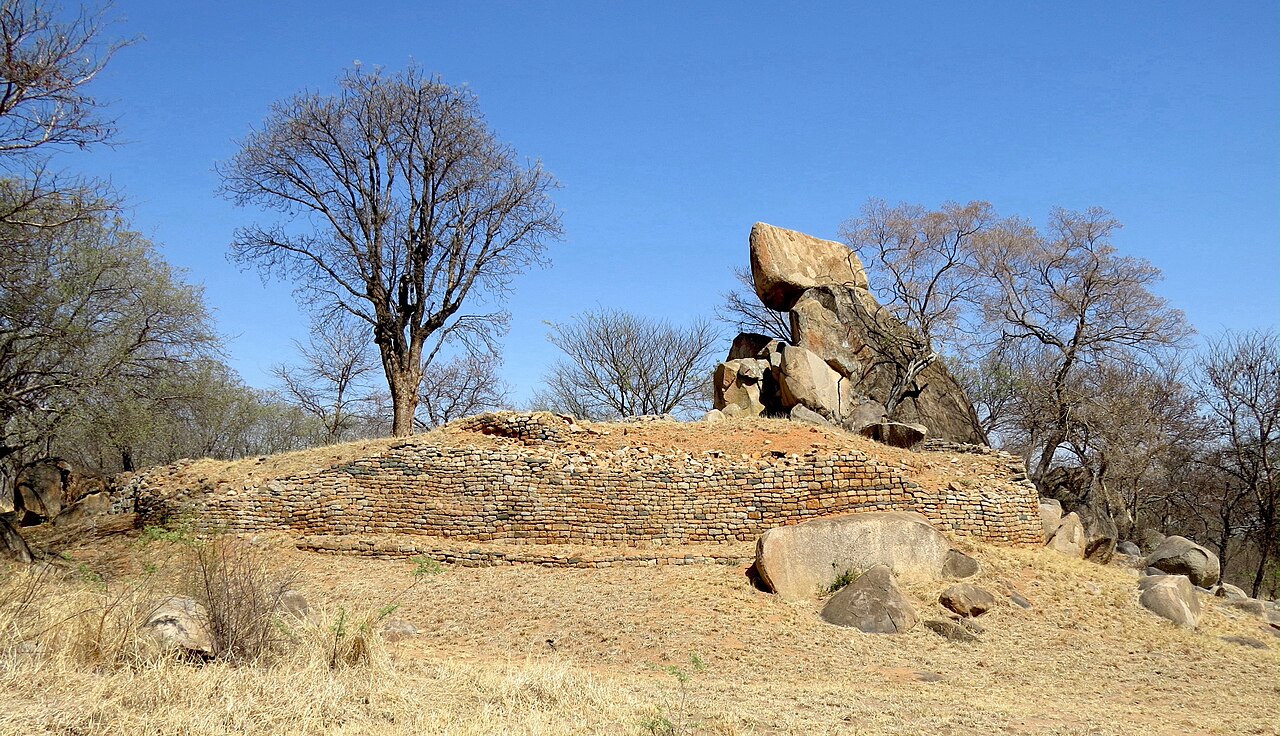
To walk through the narrow, winding passageways of the Great Enclosure is to step into a world where engineering and artistry converge in perfect, dry-stone harmony. The most immediately striking feature of the ruins is the sheer scale of the construction—walls that rise up to 11 meters (36 feet) in height, stretching for over 250 meters, all built without a single drop of mortar. The builders, ancestors of the modern-day Shona, relied on a masterful technique of carefully selecting and stacking granite blocks, creating a sturdy, self-supporting structure that has withstood the elements for nearly seven centuries. The walls are not purely functional; they are decorative, featuring intricate chevron and herringbone patterns that run in bands across the stonework, a testament to the aesthetic sensibilities of their creators.
The site is traditionally divided into three main architectural groups, each with its distinct purpose and character. The Hill Complex, perched atop a massive granite outcrop, is the oldest section, often referred to as the Acropolis. It was the royal city, a place of political power and spiritual authority, offering commanding views over the valley below. The Great Enclosure, the most iconic and largest single structure in sub-Saharan Africa, is a massive elliptical walled complex believed to have served as a ceremonial space or the residence of the queen and her court. Finally, the Valley Enclosures consist of a series of smaller daga (earth-and-clay) and stone houses that housed the general population, indicating a society with clear social stratification and a thriving urban core.
This was not a mysteriously abandoned city as early European explorers liked to suggest, but rather a vibrant, bustling metropolis. At its zenith, between the 11th and 15th centuries, the population of Great Zimbabwe and its surrounding area is estimated to have been between 10,000 and 20,000 people, making it one of the most populous cities in the world at that time. This dense population was supported by a complex economic system that combined cattle herding, agriculture (particularly of sorghum and millet), and a powerful trade network that extended all the way to the Indian Ocean coast. The city was not an anomaly; it was the capital of a powerful kingdom that controlled vast territories and resources.
Wealth, Trade, and the Golden Age of the Kingdom
The power of Great Zimbabwe was built on a foundation of gold and ivory, commodities that were in high demand in the distant markets of the Middle East and Asia. The city’s location was strategic, positioned between the gold-bearing belts of the interior and the Indian Ocean ports of Sofala, Kilwa, and Chibuene. It was through these coastal ports that the kingdom plugged into a global trade network—a shimmering web of commerce that connected the African interior to the Swahili Coast, the Persian Gulf, India, and even China.
Archaeological excavations have unearthed a treasure trove of imported goods that attest to this extensive trade, including Chinese celadon porcelain, Persian faience, and Arabian glass beads. These objects were not merely trinkets; they were status symbols, currency, and evidence of the kingdom’s diplomatic and commercial reach. In exchange, the rulers of Great Zimbabwe sent out gold, ivory, and perhaps even slaves, controlling the flow of these valuable resources to the coast. The famous gold bird carvings, the Zimbabwe Birds, carved from soapstone and standing up to a meter tall, are perhaps the most powerful symbols of this royal authority. These birds, which combine human and avian features, are believed to represent a sacred mediator between the spirit world and the earthly realm, a symbol of the king’s divine power and his role as the guardian of the state.
This wealth did not just enrich the elite. The influx of trade goods and the accumulation of cattle fostered a complex social structure. Skilled artisans, such as stone masons, potters, and metalworkers, formed a vital middle class. The presence of thousands of gold and copper ornaments, wire, and bangles suggests a society that valued craftsmanship and personal adornment. The economy was sophisticated, with cattle acting as a form of stored wealth and a sign of social status, a tradition that continues in many parts of southern Africa today. The decline of Great Zimbabwe in the 15th century is often attributed to a combination of factors, including the exhaustion of local gold resources, overpopulation, and the consequent pressure on land and resources, which may have led to political fragmentation and the eventual shift of power northward to the Mutapa and Rozvi empires.
Colonial Distortion and the Fight for Historical Truth
The story of Great Zimbabwe is not just one of ancient glory; it is also a powerful and painful lesson in how colonial ideology can distort history. When European explorers and settlers first encountered the ruins in the late 19th century, they were profoundly unwilling to accept that African people could have built such a sophisticated structure. The sheer scale of the architecture and its evident complexity contradicted their deeply ingrained racist beliefs about African inferiority. This cognitive dissonance led to a wave of pseudoscientific theories that attributed the site to a host of non-African builders, including the Phoenicians, the Egyptians, the Arabs, or even the lost tribe of Israel.
This was not an innocent mistake but a deliberate act of intellectual colonisation. The most famous proponent of these myths was Cecil John Rhodes, the British imperialist and mining magnate. He was so captivated by the site that he named his new colony, Rhodesia, after himself and funded an expedition to the ruins in the 1890s, hoping to find evidence of a biblical connection. The expedition, led by archaeologist J. Theodore Bent, went in with the explicit aim of proving a foreign origin for the structures, and their “findings” were shaped by their preconceived notions. They even went so far as to remove a soapstone bird, which was later incorporated into the Rhodesian national flag, a final insult to the African heritage of the site.
It was not until the mid-20th century that the pioneering work of archaeologists like Gertrude Caton Thompson began to dismantle these colonial myths. She was among the first to state unequivocally, based on rigorous scientific excavation, that the site was of African origin. Her work was met with fierce resistance from the white settler government, who saw the truth as a threat to their claim to the land. The fight for the true history of Great Zimbabwe became intertwined with the struggle for independence. When Zimbabwe achieved majority rule in 1980, the new nation was named after the ancient city, a deliberate and powerful act of reclamation. The Zimbabwe Bird was adopted as the country’s national symbol, emblazoned on the flag and its currency, transforming a colonial symbol of mystery into a proud emblem of African resilience and achievement.
Architecture and Engineering: A Legacy in Stone
The engineering prowess of the builders of Great Zimbabwe is a subject of enduring admiration. The art of dry-stone walling, known as vhaka in the local Shona language, reached a level of perfection here that is unmatched elsewhere in pre-colonial sub-Saharan Africa. The walls are not simple piles of rock; they are carefully constructed structures with a rubble-filled core and a facing of finely shaped granite blocks. The builders selected stones that would fit together perfectly, often using a technique of heat treatment to crack the granite into manageable slabs. The walls were built with a slight inward batter, or lean, which increases their stability and allows them to withstand the pressure of the fill behind them.
The most impressive engineering achievement is undoubtedly the Great Enclosure. Its main wall, a staggering 244 meters in circumference, is a masterpiece of planning and execution. The conical tower, a solid structure 5.5 meters high and 5.5 meters in diameter, is a unique feature that has puzzled archaeologists for decades, with theories ranging from a grain storehouse to a phallic symbol of fertility. The precision and effort required to build such a structure, using only hand tools and human labour, is a testament to the strong central authority and the organisational skills of the kingdom.
- Construction Technique: Granite blocks were sourced from local outcrops and shaped by heating them with fire and then cracking them with water.
- Wall Design: Walls were constructed with a solid outer facing and a rubble core, which provided strength and allowed for a smooth, finished appearance.
- Decorative Elements: The chevron and herringbone patterns were not just decorative but also served to strengthen the wall by creating a more integrated structure.
- Daga Structures: The majority of the population lived in houses made of daga (a mixture of earth and clay), which were often built on top of stone foundations.
Beyond the walls themselves, the site contains evidence of sophisticated water management, including a system of drains and culverts to channel rainwater away from the structures, preventing erosion and damage. This attention to detail shows a deep understanding of their environment and a commitment to building a lasting city. The layout of the city, with its distinct zones for royalty, ritual, and the general population, reveals a complex and sophisticated urban planning system, a far cry from the primitive “huts” that colonial narratives tried to portray.
The Spiritual and Cultural Heartbeat of the Shona
For the Shona people, Great Zimbabwe is not a dead ruin; it is a living spiritual landscape, a place of immense cultural and religious significance. The site is considered a sacred place, the abode of ancestral spirits, and a source of spiritual power for the nation. The Hill Complex, in particular, is believed to be the most sacred part of the site, a place where the king would communicate with the spirits of his ancestors to ensure the prosperity of his people and the fertility of the land. This practice, known as kupira (to appease the spirits), is still carried out by spirit mediums and elders today, who make pilgrimages to the site to perform rituals and offer prayers.
The Zimbabwe Birds are central to this spiritual belief. There were originally eight birds, carved from soapstone, placed on monoliths in prominent positions within the city. They are thought to represent the Shiri ya Mwari (Bird of God), a spiritual messenger that connects the physical world with the spiritual realm. Each bird is unique, with different stylised features, leading to theories that they represented different totems or clans of the ruling dynasty. The birds were not just artistic creations; they were powerful religious icons that legitimised the king’s rule and connected him to the divine. Today, the original birds are housed in the Museum of Human Sciences in Harare, but replicas have been placed at the site to maintain its spiritual integrity. The name of the country itself, Zimbabwe, is derived from the Shona term Dzimba dza mabwe, which translates to “houses of stone,” a direct reference to the ruins and a daily reminder of this ancient heritage.
A Living Museum: Wildlife, Landscape, and Modern Experience
Today, the Great Zimbabwe ruins are not just a historical site but part of a larger ecosystem, designated as the Great Zimbabwe National Monument. The ruins are set within a beautiful landscape of granite hills, open woodland, and grassland, which is home to a variety of wildlife. Visitors are just as likely to spot a troop of vervet monkeys, a family of warthogs, or a majestic fish eagle soaring overhead as they are to see the ancient walls. This integration of history and nature makes the site a uniquely immersive experience. The surrounding area is also home to a thriving local community, and a visit offers an opportunity to engage with modern Shona culture, from buying intricate stone sculptures from local artisans to hearing stories passed down through generations about the ancient city.
The visitor experience has been significantly improved in recent years, with a new museum that offers excellent contextual information, including displays on the history, culture, and archaeology of the site. The journey to the top of the Hill Complex is a rewarding climb, offering panoramic views over the entire valley and the Great Enclosure below. It is not difficult to imagine the king standing on this very spot, surveying his vast domain. The site is well-maintained, with clear pathways and informative signage, making it accessible to a wide range of visitors. However, it faces the ever-present challenges of conservation, including managing the impact of tourism and the natural erosion of the ancient stonework.
For the modern visitor, a trip to Great Zimbabwe is more than a history lesson; it is a journey to the heart of African identity. It is a place that challenges the narrative of a “dark continent” and instead showcases a proud, sophisticated, and vibrant pre-colonial past. The site is a source of immense national pride for Zimbabweans, and it serves as a powerful reminder of what Africa was, and what it can be again.
Key Dates and Comparisons: A Quick Guide
To better understand the timeline of Great Zimbabwe, it is useful to place it in the context of other global events and its own internal development. The table below provides a concise overview of the key periods and markers of the city’s history.
| Period | Key Developments | Global Context |
|---|---|---|
| c. 300-900 AD | Early settlement of the area by Iron Age farming communities; the start of metalworking and trade. | Rise of the Ghana Empire in West Africa; the fall of the Western Roman Empire. |
| c. 900-1200 AD | Growth of the settlement; beginning of major stone construction on the Hill Complex; expansion of the gold and ivory trade with the Swahili Coast. | The Crusades in Europe; the Song Dynasty in China; the rise of the Mali Empire. |
| c. 1200-1450 AD | The Golden Age: Peak of power and population; construction of the Great Enclosure; height of the Indian Ocean trade network. | The height of the Mali Empire under Mansa Musa; the beginning of the European Renaissance. |
| c. 1450-1550 AD | Decline of Great Zimbabwe; population shifts northward; the rise of the Mutapa Empire. | The end of the Hundred Years’ War; the start of the European Age of Exploration. |
| c. 1550-1900 AD | Site largely abandoned; becomes a part of local oral tradition and a sacred place; “rediscovered” by European explorers. | The Atlantic Slave Trade; the rise of the British Empire; the Scramble for Africa. |
This timeline shows that Great Zimbabwe was not a fleeting anomaly but a long-lasting and significant power. Its decline was not a collapse into chaos but a gradual transformation, as the centre of power and trade shifted to other regions. The legacy of its people, however, remained, influencing the political and cultural structures of later kingdoms and leaving an indelible mark on the history of the continent.
Conservation and the Future of the Ancient City
The preservation of the Great Zimbabwe ruins is a complex and ongoing challenge. As a UNESCO World Heritage Site, it is recognised as being of outstanding universal value, but this designation also brings with it the responsibility of safeguarding it for future generations. The site faces a number of threats, including natural erosion, the growth of vegetation that can destabilise the ancient walls, and the wear and tear from the increasing number of tourists. The most delicate balance is between making the site accessible for education and tourism, which generates vital revenue for its upkeep, and protecting the fragile structures from the very hands that come to admire them.
Efforts are being made to address these challenges. The National Museums and Monuments of Zimbabwe (NMMZ) is responsible for the site’s management and has implemented a number of conservation measures. These include:
- Monitoring and Repair: Regular inspection of the walls for structural weakness and the careful re-stacking of stones that have become loose or fallen.
- Vegetation Control: Managing the growth of trees and other plants whose roots can penetrate and damage the stonework.
- Community Engagement: Involving the local community in the preservation efforts, providing employment and ensuring that they benefit from the site’s success.
- Sustainable Tourism: Implementing visitor management strategies, such as designated pathways, to minimise human impact.
There is also a growing movement to shift the narrative from simply “preserving” the site to “living” with it. This involves integrating the local Shona community more deeply into the interpretation and management of the ruins, acknowledging their ancestral connection to the site. By doing so, the site becomes more than a museum piece; it becomes a vibrant, living cultural landscape. The future of Great Zimbabwe depends on a holistic approach that balances conservation, education, and community development, ensuring that this magnificent testament to African achievement continues to stand for centuries to come.
The Global Significance: More Than Just Stones
The significance of the Great Zimbabwe ruins extends far beyond the borders of the modern nation. It is a key piece of evidence in the global reassessment of African history. For too long, the history of Africa was written by outsiders, who often dismissed its peoples as passive recipients of external influences. Great Zimbabwe stands as a powerful counter-argument, demonstrating that complex, urbanised, and wealthy societies thrived in Africa long before the arrival of Europeans. It is a monument to human achievement, comparable in its importance to the pyramids of Egypt or the Great Wall of China, but with its own unique character and story.
The site has also played a crucial role in the development of modern archaeology. The controversies surrounding its origins forced archaeologists to move beyond the assumptions of colonial-era scholarship and develop more rigorous, scientific methods of investigation. The story of Great Zimbabwe is a prime example of how archaeology can be used to challenge and overturn historical narratives, and how the discipline itself can be decolonised. The site is not just a relic of the past; it is a living symbol of the ongoing struggle for historical truth and cultural self-determination. It is a touchstone for the African diaspora, a tangible connection to a glorious and sophisticated past that was long denied to them. Its image, the iconic conical tower and the great curving wall, has become a symbol of pride and resilience across the African continent and beyond.
A Timeless Legacy: The Stones That Speak
As the sun sets over the Masvingo hills, casting long, dramatic shadows across the ancient walls, the Great Zimbabwe ruins take on an almost ethereal quality. The silence is profound, broken only by the wind and the calls of birds. In this quiet, the stones seem to whisper their secrets, telling a story of kings and queens, of great wealth and powerful trade, of skilled artisans and a proud and sophisticated people. This is not a place of ruin and decay, but a place of triumph and enduring legacy.
The Great Zimbabwe ruins are a profound reminder that Africa has always been a continent of great civilisations, of innovation, and of complex social and political structures. They challenge us to look beyond the often simplistic and negative portrayals of Africa in the global media and to see the deep, rich, and complex history that lies just beneath the surface. The city was more than just a political and economic capital; it was the soul of a nation, a sacred place where the earthly and spiritual realms were connected. Its legacy is woven into the very fabric of modern Zimbabwe, from the name of the country to its national symbols. To stand within these ancient walls is to witness the indomitable spirit of humanity and to understand that greatness can be achieved anywhere, by any people. The stones of Great Zimbabwe are not silent; they speak loudly, and their message is one of pride, resilience, and the timeless power of African heritage. They invite us all to listen, to learn, and to be inspired.