📅 Last updated: 02.09.2026
Deep within the red laterite soils of central Nigeria, a breathtaking secret lay buried for millennia, waiting to rewrite the story of African civilization — this is the world of Nok culture terracotta, the oldest known figurative sculpture in sub-Saharan Africa, a tradition that flourished with astonishing artistic sophistication between 1500 BCE and the first centuries CE. These fired-clay masterpieces — with their characteristically elongated faces, piercing triangular eyes, and elaborate beadwork — are not merely ancient artifacts; they are the profound expressions of a sophisticated society that mastered iron smelting, engaged in long-distance trade, and created an artistic language that would echo through the ages. To encounter a Nok head is to meet the gaze of an ancestor, a testament to the ingenuity and aesthetic brilliance of West Africa’s earliest complex civilization.
- The Serendipitous Discovery of the Nok Culture Terracotta
- Artistic Hallmarks: The Distinctive Aesthetics of Nok Terracotta
- The Enigma of Function: Shamans, Ancestors, and Ritual Life
- Masters of Iron: The Nok as Pioneering Metallurgists
- The Nok Culture Terracotta and Global Art History
- Modern Research and the Threat of Looting
- A Legacy Etched in Clay: The Nok Culture's Enduring Significance
- Preserving the Past for the Future: A Call to Appreciation
The Serendipitous Discovery of the Nok Culture Terracotta
The story of the Nok culture begins not in a grand archaeological expedition, but with a series of fortunate accidents in the tin-mining fields of the Jos Plateau. During the 1920s and 1930s, as British colonial mining operations churned through the ancient alluvial deposits in search of cassiterite (tin ore), workers began unearthing strange, fired-clay figures alongside stone tools and other relics. These objects were initially dismissed as curiosities or even attributed to other cultures, often cast aside or given to miners as playthings for their children.
The pivotal moment arrived in 1943 when Lieutenant-Colonel John Dent-Young, a British officer and mining engineer, spotted a remarkable terracotta monkey head protruding from the gravel at a mine near the village of Nok. Recognizing its potential significance, Dent-Young transported the artifact to the capital, Lagos, where it eventually came to the attention of Bernard Fagg, a young colonial administrator and archaeologist with a passion for prehistory. Fagg, who was then serving as Assistant District Officer, immediately grasped the importance of the discovery. He began a systematic survey of the mining sites, meticulously documenting find spots and their geological contexts. It was Fagg who, in 1945, formally named this ancient culture after the village of Nok, where the first significant pieces had been recovered.
What followed was decades of painstaking research and excavation. Fagg and subsequent archaeologists, including his brother William Fagg and later scholars like Angela Fagg-Rackham, Peter Breunig, and Nicole Rupp of the Goethe University Frankfurt, have pieced together a fragmentary but compelling picture of this ancient society. The very conditions of discovery, however, present a significant challenge: most Nok terracottas have been found in secondary contexts, meaning they were deposited in river gravels and mining spoils, far from their original locations. This makes dating and understanding their precise cultural function a complex puzzle, one that continues to drive archaeological investigation in the region today.
Artistic Hallmarks: The Distinctive Aesthetics of Nok Terracotta
To the uninitiated eye, all Nok sculptures may appear similar, but a closer look reveals a remarkable diversity in style, subject matter, and execution. Yet, certain stylistic conventions are so consistently present that they form the unmistakable signature of the Nok culture terracotta tradition. The most iconic feature is undoubtedly the head, which is disproportionately large in relation to the body — a deliberate artistic choice that suggests the head was considered the seat of identity and spiritual essence.
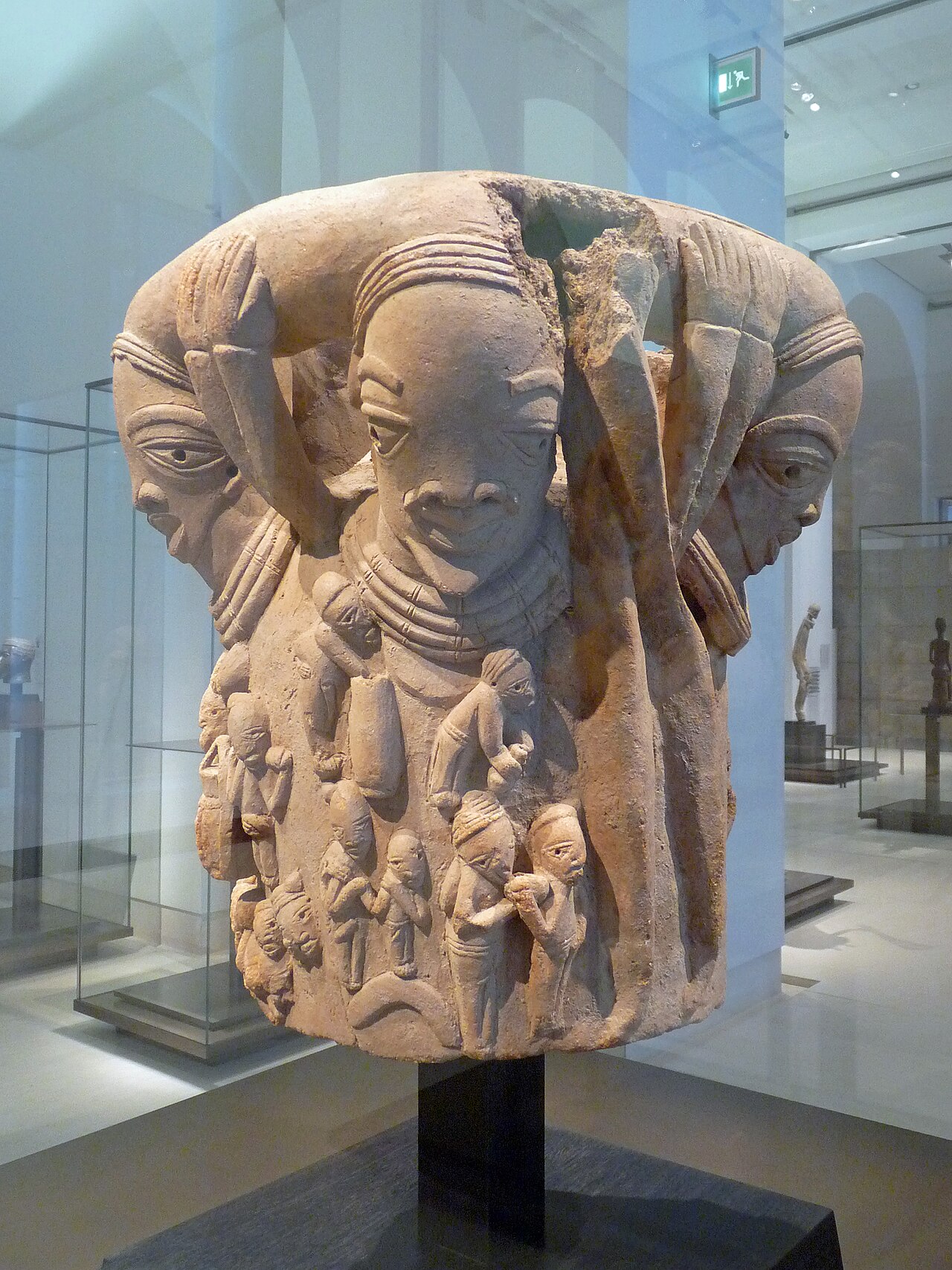
The faces are characterized by an extraordinary range of expressions. Eyes are often rendered as deep, triangular perforations that would have cast dramatic shadows in the harsh African sunlight, or as applied clay pellets with a central slit. Eyebrows, eyelids, and other facial features are frequently built up with separate strips or pellets of clay, creating a textured, almost sculptural relief. The mouths range from small, pursed lips to broad, enigmatic smiles, and many figures display elaborate coiffures, plaited hair, and intricate beadwork around the neck, wrists, and ankles. These details are not mere decoration; they provide invaluable clues about Nok aesthetics, personal adornment, and social status.
The corpus of Nok art is not limited to the human form. Archaeologists have unearthed a rich menagerie of animal representations, including monkeys, snakes, elephants, birds, and even what appears to be a camel or a horse. Some figures are depicted seated or kneeling, while others are shown in dynamic poses with vividly articulated gestures. The sculptures are typically hollow, built up with coils of clay in a technique known as méplat, and then meticulously smoothed and burnished before firing. While the vast majority of finds are fragments, some complete figures, such as the famous “Nok Dignitary” or the kneeling figure with a club, stand nearly a meter tall, a testament to the technical skill of their creators.
Materials and Manufacturing: The Art of the Ancient Potter
The creation of a Nok terracotta was an act of high technical skill. The potters, whose identity remains unknown but whose work is unmistakable, selected specific clays, often tempering them with coarse sand, mica, or crushed granite to prevent cracking during the firing process. The sculptures were built up using the coil method, with the hollow interior and thick walls allowing for even heat distribution. The level of detail achieved — from the subtle modeling of facial muscles to the intricate patterns of jewelry — required a steady hand and an exceptional eye for proportion.
Firing the sculptures was an equally demanding process. They were likely fired in open bonfires or simple pit kilns at temperatures that could range from 500°C to over 800°C. The control of temperature and atmosphere was critical; a too-rapid firing could cause the clay to explode, while insufficient heat would result in a weak, crumbly object. The durability of these terracottas, which have survived thousands of years of burial, erosion, and rediscovery, is a lasting tribute to the potters’ mastery over their material.
The Enigma of Function: Shamans, Ancestors, and Ritual Life
The true purpose of the terracotta sculptures remains one of the great mysteries of African archaeology. Without written records, scholars must piece together meaning from the objects themselves, their context, and comparison with the practices of later and contemporary African cultures. The most widely accepted hypothesis posits that the sculptures were used in rituals associated with ancestral veneration, healing, and initiation. The frequent representation of figures with what appear to be diseases or deformities, such as a swollen belly or a facial paralysis (Bell’s palsy), has led to the theory that the statues may have played a role in therapeutic rituals, perhaps serving as mediums for communicating with the spirit world to diagnose and cure ailments.
Another compelling interpretation suggests a link to social and political power. The elaborate beadwork, complex hairstyles, and confident postures of many figures may depict chiefs, lineage heads, or other individuals of high status. They could have been used to legitimize authority, to record genealogies, or to serve as ancestral portraits for a ruling elite. The fact that the sculptures are often found in fragments, deliberately broken, is itself a significant clue. This may indicate that they were ritually “killed” or decommissioned after their purpose was fulfilled, rather than being simply discarded or destroyed.
Recent excavations at sites like Janjala and Ungwar Kura, led by the Goethe University Frankfurt team, have begun to shed light on the context of these objects. They have revealed that Nok settlement sites were often large, suggesting a significant population density. However, the terracottas are rarely found in direct association with domestic structures, hinting that they may have been curated or used in specialized, perhaps secluded, ritual spaces. The sheer effort and skill invested in their creation strongly suggests they were objects of immense cultural and spiritual value.
Masters of Iron: The Nok as Pioneering Metallurgists
The Nok people were not only extraordinary artists; they were also technological pioneers. They stand among the earliest societies in sub-Saharan Africa to have developed iron smelting technology, a revolutionary advancement that would transform agriculture, warfare, and daily life. The evidence for this is found in the numerous iron-smelting furnaces, slag heaps, and tuyères (clay pipes used to blow air into the furnace) discovered on the Jos Plateau. This is a crucial point of context for the terracotta art; the Nok culture terracotta tradition and iron metallurgy appear to have developed in tandem, around the same period (c. 1500 BCE onwards), suggesting a society in the throes of dynamic technological and social change.
The mastery of iron production requires a sophisticated understanding of pyrotechnology — the control of fire and high temperatures. The same cognitive and technical skills needed to achieve consistent temperatures high enough to smelt iron (over 1100°C) are related to those used in the high-quality firing of clay. It is plausible that the same individuals or groups who were skilled in one craft were also involved in the other, creating a nexus of technological expertise. The ability to create iron tools, such as hoes and axes, would have dramatically increased agricultural productivity, supporting larger populations and leading to more complex social organization. This, in turn, may have created the surplus and social stratification necessary to support a class of specialized artisans producing the elaborate terracotta sculptures for the elite.
The Nok Culture Terracotta and Global Art History
The significance of the Nok culture terracotta extends far beyond the boundaries of Nigeria. For decades, a persistent and erroneous narrative in Western art history held that the great artistic traditions of Africa began on the continent’s coasts or were influenced by external civilizations. The discovery of the Nok culture, with its fully developed, naturalistic yet stylized figurative tradition dating back to 1500 BCE, comprehensively shattered this myth. It proved that complex societies with sophisticated artistic and technological capabilities flourished deep in the interior of West Africa thousands of years ago, entirely independent of outside influence.
The art of Nok is now recognized as a foundational tradition in the history of African art. Its influence can be traced, with some debate, to later artistic movements in the region, such as the naturalistic bronze and terracotta heads of Ife (from around the 12th century CE) and the court art of the Kingdom of Benin (from the 13th century CE onwards). While a direct lineage is difficult to prove, the stylistic echoes — the emphasis on the head, the detailed rendering of facial features, and the use of elaborate beadwork — suggest a deep cultural memory and shared aesthetic sensibilities across centuries and cultures. The Nok culture stands as a powerful reminder that Africa’s art historical legacy is one of deep time, innovation, and profound influence.
| Feature | Nok Culture (c. 1500 BCE – 1 CE) | Ife Culture (c. 11th – 15th CE) |
|---|---|---|
| Primary Medium | Terracotta (fired clay) | Terracotta, copper, and brass |
| Artistic Style | Stylized, geometric, with large heads and elaborate coiffures; expressionist. | Highly naturalistic, idealized portraiture with remarkable anatomical accuracy. |
| Geographic Center | Jos Plateau, central Nigeria | Ife, in the southwestern part of modern Nigeria (Yoruba region) |
| Key Technological Feat | Early independent iron smelting | Advanced lost-wax casting (cire perdue) for metal sculptures |
| Primary Function | Likely ritual, ancestral veneration, and social status representation. | Associated with kingship (Oni) and royal ancestors; possibly portraits of rulers. |
| Historical Significance | Oldest known figurative art in sub-Saharan Africa; foundational to the continent’s art history. | Considered the pinnacle of naturalism in African classical art; a bridge to Benin art. |
Modern Research and the Threat of Looting
The story of the Nok culture is not confined to the past; it is a dynamic field of ongoing research and a critical arena in the fight against cultural heritage crime. Since the late 20th century, a devastating wave of looting has swept across the archaeological sites of central Nigeria. The high market value of Nok terracottas on the international art market has driven organized criminal gangs to systematically dig up ancient sites, destroying their context in the search for saleable artifacts. This illegal activity has been catastrophic for scholarship. A looted terracotta, stripped of its original location and associations, loses most of its scientific value; it becomes an orphaned object of beauty, its story forever silenced.
In response to this crisis, legitimate archaeologists have had to adopt new strategies. The German-led project, “Ecological Change and Cultural Dynamics in the West African Savanna,” has not only conducted careful excavations but has also worked closely with Nigerian authorities and local communities to raise awareness about the importance of preserving heritage. They have used modern technologies, including geographic information systems (GIS) and drone-based aerial photography, to map sites and monitor for illegal digging. This collaborative approach is essential. The long-term preservation of the Nok legacy depends not only on the work of international scientists but also on the active stewardship of the local Nigerian communities, including the descendants of the Nok people, who are increasingly taking pride in and ownership of their extraordinary ancestral heritage.
A Legacy Etched in Clay: The Nok Culture’s Enduring Significance
As the sun sets over the vast, rocky landscape of the Jos Plateau, casting long shadows across the red earth, one can almost feel the presence of the ancient Nok people. Their legacy is not just a collection of beautiful objects in museums around the world; it is a profound narrative of African achievement. The Nok culture terracotta stands as a testament to a society that was simultaneously artistic, technological, and complex. They were a people who, over three millennia ago, had the vision to create art of enduring power and the ingenuity to master one of history’s most transformative technologies.
The significance of Nok lies in its power to correct the historical record and to inspire the present. It reminds us that Africa’s past is not a blank slate but a tapestry of sophisticated civilizations. For the African diaspora, the Nok culture offers a tangible, awe-inspiring connection to the deep roots of African creativity, a point of pride that predates the transatlantic slave trade by thousands of years. For all of humanity, it is a powerful reminder that artistic genius and technological innovation are not the exclusive province of any single culture or region but are universal expressions of the human spirit. Each fragment of a Nok sculpture, whether in a museum display case or still buried in the soil, is not an ending but an invitation — a call to continue exploring, questioning, and celebrating the rich and complex story of our shared past.
Preserving the Past for the Future: A Call to Appreciation
In an era where cultural heritage is increasingly under threat from conflict, climate change, and looting, the story of the Nok culture carries an urgent message. The systematic looting of Nok sites is not a victimless crime; it is a theft from the Nigerian people and from the collective heritage of humanity. Every time a looted terracotta is sold on the international market, a piece of our shared history is irrevocably lost. Museums, collectors, and galleries have a profound responsibility to exercise due diligence in verifying the provenance of all African antiquities, and to refuse to deal in objects with a murky history.
Yet, the future of the Nok legacy is not solely a story of loss. It is also one of hope, resilience, and rediscovery. The ongoing work of Nigerian and international archaeologists, the growing engagement of local communities, and the increasing recognition of the Nok culture in global art history all point towards a brighter future. By celebrating and studying the Nok culture terracotta, we not only honor the genius of its ancient creators but also help ensure that their story will be told for generations to come. The silent, enigmatic faces of Nok have waited millennia to be seen and understood; it is our privilege and our duty to listen to what they have to say.