📅 Last updated: 05.07.2026
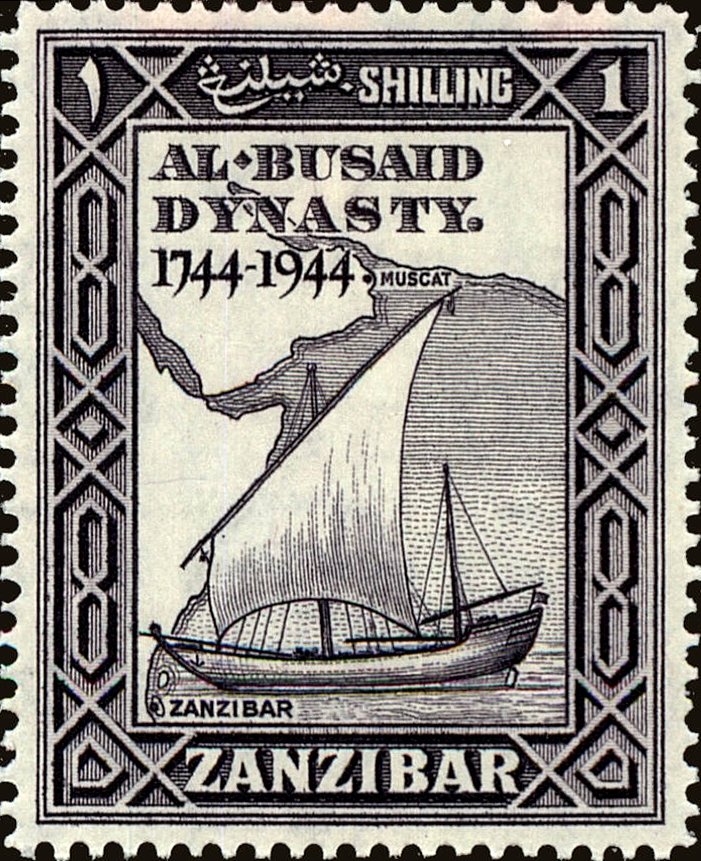
For over a millennium, the sleek silhouette of the dhow trade vessels has defined the horizon of the Indian Ocean, stitching together the coasts of East Africa, the Arabian Peninsula, India, and beyond into a vibrant, pre-colonial web of commerce and culture. These handcrafted wooden ships, powered by the monsoon winds, were not merely transporters of goods; they were the very vessels that carried Islam to the Swahili Coast, brought Asian spices and textiles to African ports, and ferried the ivory, gold, and timber of the interior out into the global economy long before European ships rounded the Cape. To understand East Africa is to understand the dhow, a maritime technology so enduring that its descendants still slip through the waters off Zanzibar and Lamu today.
- The Anatomy of Endurance: How Dhows Were Built
- The Monsoon Economy: How Dhow Trade Vessels Connected Continents
- Ports of the Swahili Coast: Where the Dhows Came to Rest
- Beyond Trade: The Cultural Cargo of the Dhow
- The Decline and Transformation of the Dhow
- Navigating the Future: Sustainability and the Dhow
- The Dhow in the 21st Century: A Living Heritage
The Anatomy of Endurance: How Dhows Were Built
Unlike the carvel-built ships of Europe, with their butted planks fastened to an internal skeleton, the traditional dhow employs a far older and more ingenious technique: carvel planking sewn together with twisted coir rope made from coconut husks. This method, perfected over centuries by shipwrights in the Persian Gulf and along the Swahili Coast, gives the hull a remarkable flexibility. When a dhow grounds on a coral reef or takes a heavy sea, the hull can flex and settle rather than splinter, a critical advantage for vessels navigating the shallow, reef-studded waters of East Africa.
Distinct Regional Types
The term “dhow” is a broad one, encompassing several distinct designs, each adapted to specific routes and cargoes:
- The Mtepe (or “sewn boat”): A classic East African design, entirely sewn together without a single metal nail. The mtepe was a workhorse of the Lamu archipelago, carrying mangrove poles, lime, and grain between island ports. Its construction was a ritual, often accompanied by prayers and the burning of incense to appease the sea spirits.
- The Boutre (or Baghla): A larger, transoceanic vessel with a distinctive stern decorated with carved filigree and a high, curved prow. These were the ships that connected Zanzibar to Muscat and Bombay, carrying cloves, slaves, and ivory.
- The Jahazi: A broad-beamed cargo vessel, often used for coastal trade. Its shallow draft allowed it to slip up mangrove-lined creeks and unload directly onto sandy beaches. Today, motorized jahazis are the ubiquitous cargo trucks of the Lamu seascape.
- The Dau la Mtepe: A smaller, lateen-rigged fishing dhow, common throughout the Swahili Coast, used for line fishing and netting.
The lateen sail—a triangular sail set on a long yardarm—is the dhow’s most recognizable feature. It allowed the vessel to sail closer to the wind than square-rigged European ships, making it supremely efficient for the monsoon system. A skilled nahodha (captain) could read the stars, the color of the sea, and the behavior of seabirds to navigate with astonishing accuracy, often without charts or compasses.
The Monsoon Economy: How Dhow Trade Vessels Connected Continents
The rhythm of the dhow trade was dictated by the monsoons. From November to March, the northeast monsoon blew from India and Arabia down to East Africa, carrying traders and their goods. From April to October, the southwest monsoon reversed the flow, pushing laden dhows back across the ocean. This predictable cycle created a seasonal economy and a deeply interconnected world.
Key Commodities of the Dhow Trade
The cargo holds of these dhow trade vessels carried an astonishing diversity of goods, transforming East Africa into a global marketplace. The following table summarizes the primary flows of this ancient trade network:
| Direction | From East Africa (Exports) | To East Africa (Imports) |
|---|---|---|
| To Arabia & India | Ivory (from the interior), gold (from Great Zimbabwe and Sofala), mangrove poles (boriti) for construction, slaves (a tragic but historically significant trade), timber, gum copal (used in varnish), and rhino horn. | — |
| From Arabia & India | — | Cloth (especially fine cottons from Gujarat), Chinese porcelain (via Indian intermediaries), spices (cinnamon, pepper, cardamom), glass beads, dates, and perfumes (frankincense and myrrh from Oman and Yemen). |
| Within East Africa | Coconuts, dried fish, salt, grain, and passengers between coastal city-states like Mogadishu, Mombasa, Kilwa, and Sofala. | Mangrove poles, lime (for building), and local pottery. |
| Cultural Exchange | Swahili language and Bantu cultural practices. | Islam, Arabic script, Indian architectural styles (particularly in stone houses and mosques), and culinary ingredients (coconut, rice, spices). |
This trade was not a simple two-way exchange. It was a complex, multi-nodal network. A dhow might leave Zanzibar carrying ivory to Gujarat, pick up cloth in Bombay, sail to Muscat to load dates, and then return to Mombasa with a cargo of Omani dates and Indian textiles. The profit was in the margins, the skill in the navigation, and the cultural fusion in the ports.
Ports of the Swahili Coast: Where the Dhows Came to Rest
The dhows did not merely visit East Africa; they created its urban landscape. The great Swahili city-states—Kilwa Kisiwani, Mombasa, Malindi, Lamu, and Zanzibar—were all built around deep-water harbors that could shelter these vessels. These were not primitive villages; they were cosmopolitan, literate, stone-built cities that minted their own coins and maintained diplomatic relations with powers as far away as Ming China.
Lamu: The Living Museum
Perhaps no place embodies the dhow tradition more completely than Lamu Old Town, a UNESCO World Heritage Site on the Kenyan coast. For over 700 years, the narrow streets of Lamu have echoed with the calls of nahodhas and the hammering of shipwrights. The annual Lamu Cultural Festival (held in November) features a dhow race that draws sailors from across the region. The town’s economy still relies on dhow trade vessels to ferry goods between the island and the mainland, as there is no bridge to Lamu. A 2023 report from the Kenya Maritime Authority noted that over 60% of cargo between Lamu and the mainland is still moved by traditional dhows, a testament to their enduring utility in an age of container ships.
Zanzibar: The Clove Island
Under the Omani Sultanate (1698–1890), Zanzibar became the epicenter of the Indian Ocean’s dhow trade. The clove plantations that carpeted the island were built on the backs of enslaved people transported by dhows from the mainland. The famous Stone Town, with its coral-rag buildings and intricately carved wooden doors, was financed by the profits of the spice and slave trades. The Forodhani (meaning “customs house” in Swahili) waterfront was the bustling heart of this commerce, where dhows unloaded their cargos directly onto the stone quay. Today, tourists ride replica dhows for sunset cruises, but working dhows still bring fresh fish, cement, and charcoal to the island from mainland Tanzania.
Beyond Trade: The Cultural Cargo of the Dhow
The dhow trade vessels carried far more than physical goods. They were the primary vector for the spread of Islam along the East African coast. By the 10th century, Arab and Persian traders had established mosques in Mogadishu and Kilwa. The Swahili language itself is a testament to this maritime fusion—a Bantu language with a substantial Arabic vocabulary, written in Arabic script (the Ajami script) for centuries. The dhow also brought the coconut, the mango, and the rice that now define East African cuisine. It introduced the qanun (a type of zither) and the oud (lute) to coastal music, blending with African drums to create the distinctive Taarab music of Zanzibar.
“The dhow was not just a ship; it was a floating village, a mosque, a marketplace, and a school. It carried not only goods but ideas, not only people but gods.” — Dr. Abdul Sheriff, former director of the Zanzibar Indian Ocean Research Institute (from his seminal work, Dhow Cultures of the Indian Ocean, 2010).
The Decline and Transformation of the Dhow
The 19th and 20th centuries brought profound challenges. The British Royal Navy’s anti-slave trade patrols (after 1807) disrupted the most profitable aspect of the dhow economy. The advent of steam-powered ships, which could travel independent of the monsoons, eroded the dhow’s monopoly on long-distance trade. The construction of the Suez Canal in 1869 further shifted global shipping lanes away from the monsoon routes. By the 1950s, the great transoceanic dhows were largely gone, replaced by motorized schooners and, later, container ships.
A Modern Renaissance?
Yet, the dhow has proven remarkably resilient. In the 21st century, a new generation of East Africans is rediscovering the value of traditional maritime heritage. In Lamu, a community-based organization called Friends of the Dhow is training young men in traditional shipbuilding techniques, using indigenous hardwoods like mkongo and mninga. In Mombasa, the Dhow Conservation Trust is documenting and preserving the remaining sailing dhows. And in Zanzibar, several boutique tourism operators have commissioned the building of new, luxury dhows for bespoke cruises, blending ancient design with modern comfort. These are not museum pieces; they are working vessels that provide employment, sustain local economies, and keep a living tradition alive.
Navigating the Future: Sustainability and the Dhow
There is a surprising, modern relevance to the dhow. In an era of climate change and rising fuel costs, the dhow offers a zero-carbon alternative for coastal transport. A dhow under sail produces no emissions, requires no imported fuel, and can be built from locally sourced, renewable materials. Several pilot projects in Tanzania and Kenya are exploring the use of motorized dhows (with small, efficient diesel engines) for transporting agricultural produce from remote coastal villages to urban markets, reducing both cost and carbon footprint. The dhow, it turns out, may have something to teach the world about sustainable maritime transport.
The Dhow in the 21st Century: A Living Heritage
To see a dhow under full sail off the coast of Kilifi or Zanzibar today is to witness a living link to a thousand years of history. These vessels are not relics. They are still being built by hand in the shipyards of Lamu and Mombasa. They still carry cargo—mangrove poles, bags of cement, drums of fuel, and tourists seeking the romance of the sea. They still race in annual regattas, their lateen sails snapping in the monsoon wind. The dhow trade vessels of East Africa are a testament to the ingenuity, resilience, and interconnectedness of the continent’s coastal peoples. They remind us that Africa was never isolated from the global currents of trade and culture; it was, for centuries, at their very heart. The dhow is not just a boat. It is a story—of winds, of tides, of people, and of a civilization that rode the monsoons to build a world.