📅 Last updated: 05.07.2026
To walk the winding, trench-like corridors of Lalibela is to step into a world carved not by machines, but by faith, chisel, and an almost incomprehensible human will. The Lalibela rock churches, a UNESCO World Heritage site nestled in the highlands of northern Ethiopia, are not built on the ground; they are hewn *into* it. Eleven medieval monolithic and semi-monolithic churches, each a singular work of theological architecture, descend into the earth, their roofs level with the surrounding landscape. This is not a city of churches built upon a hill, but a sacred city carved into the bedrock of the Ethiopian soul, a testament to a civilization that chose to dig its way to heaven.
- The Genesis of a Sacred Marvel: King Lalibela’s Vision
- Navigating the Sacred Complex: A Tour of the Eleven Churches
- Engineering and Artistry: How Were They Built?
- Faith in Stone: The Spiritual and Liturgical Significance
- Lalibela in the Modern World: Tourism, Conservation, and Identity
- Beyond the Churches: The Living Culture of Lalibela
- A Journey of the Spirit: What It Means to Visit
- Preserving the Sacred: Challenges for the Future
- The Enduring Legacy: A New Jerusalem for All
The Genesis of a Sacred Marvel: King Lalibela’s Vision
The story of the Lalibela rock churches begins in the late 12th and early 13th centuries, during the Zagwe dynasty. The town, originally called Roha, was renamed after its most famous king, Gebre Mesqel Lalibela (c. 1181–1221). According to Ethiopian tradition, King Lalibela was born into a royal family but was marked by divinity from childhood. A swarm of bees is said to have surrounded him at his birth, which his mother interpreted as a sign that he would become a great ruler. Later, after a pilgrimage to Jerusalem, Lalibela experienced a series of visions in which God commanded him to build a “New Jerusalem” in Ethiopia, a spiritual refuge for Christians who could no longer safely make the journey to the Holy Land, which had fallen under Muslim control.
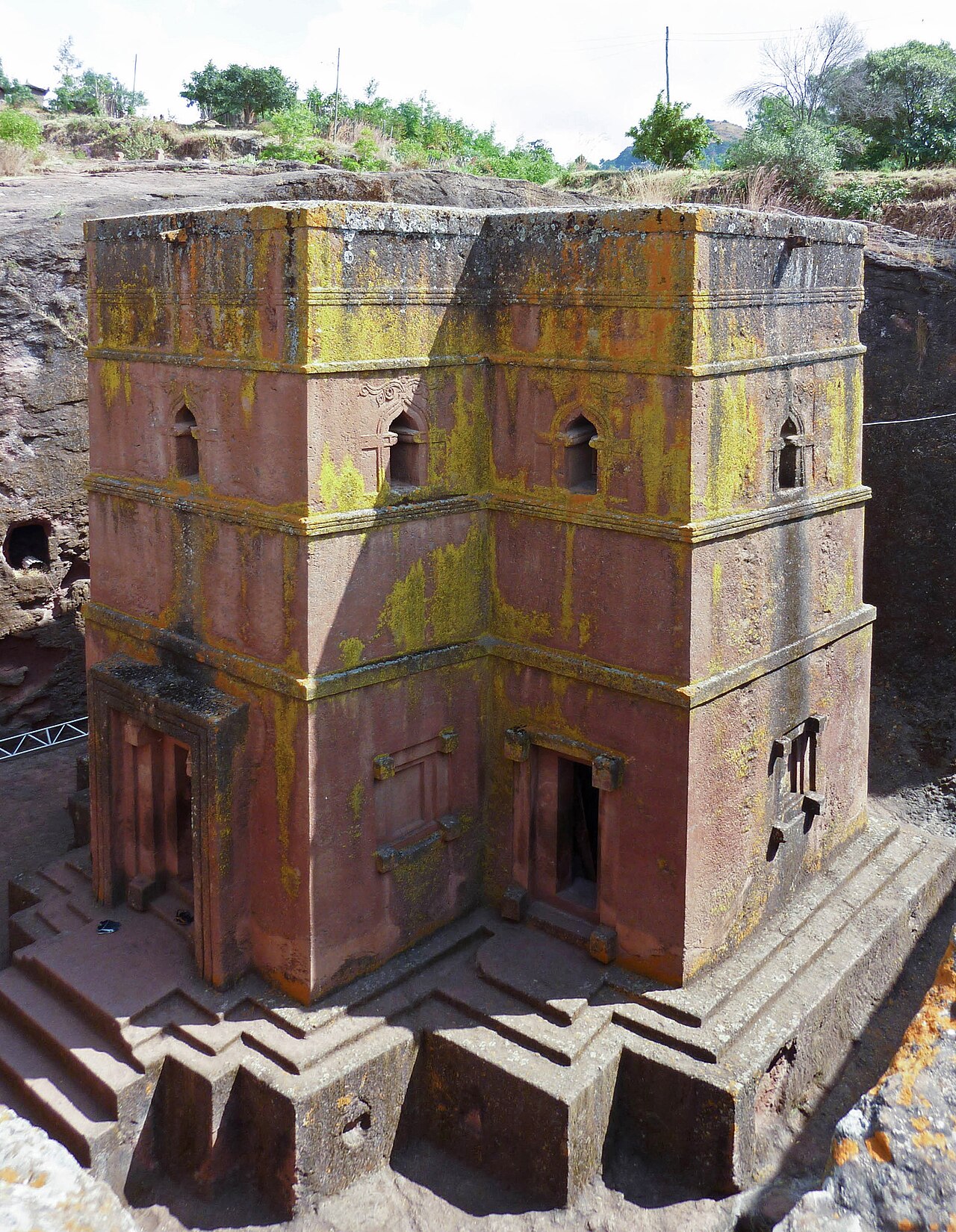
The king’s ambition was audacious. Rather than constructing churches from quarried stone, he ordered his masons to carve them directly from the living rock. This was not mere construction; it was an act of excavation. Workers descended into the earth, cutting a deep, rectangular trench around a massive block of volcanic tuff. They then shaped that block from the top down, carving out interior spaces, pillars, arches, windows, and intricate reliefs. The approach meant that each church is a single, indivisible piece of stone, connected to the earth but distinct from it. The scale is staggering: the largest church, Biete Medhane Alem (House of the Saviour of the World), is believed to be the largest monolithic church in the world, measuring over 33 metres long, 23 metres wide, and 11 metres high.
“The churches are not just architectural wonders; they are a living liturgy. The stone itself has been prayed into shape.” — Local priest, Lalibela, 2023.
Navigating the Sacred Complex: A Tour of the Eleven Churches
The eleven churches are not scattered randomly; they are arranged in two main clusters, connected by a labyrinth of tunnels, trenches, and passageways. A third, isolated church, Biete Giyorgis, stands apart, a perfect cruciform masterpiece that is arguably the most iconic of all the structures.
The Northern Group: The Heart of the Monastic Complex
This cluster is the most densely packed and includes some of the most important churches. Biete Medhane Alem dominates the group with its imposing colonnade of 34 monolithic pillars. Inside, it houses a replica of the Ark of the Covenant (the original is believed to be in Axum). Nearby, Biete Maryam (House of Mary) is the oldest and most venerated, famous for its faded but exquisite frescoes of biblical scenes and geometric patterns, as well as its central pillar which, according to legend, King Lalibela carved with the help of angels. The priest will often point out a small, worn depression in the floor, said to be the footprint of Christ. Biete Golgotha (House of Golgotha) is a solemn space containing a replica of the tomb of Christ and is not open to women, a tradition dating back centuries. It also houses a *tabot* (a replica of the Tablets of Law) dedicated to the saint of the same name.
The Southern Group: Deep Trenches and Hidden Chapels
This group is accessed via a long, deep trench that feels like a sacred canyon. Biete Amanuel (House of Emmanuel) is perhaps the most architecturally refined, with its elegant Aksumite-style windows and recessed arches that mimic the timber-and-stone construction of earlier Ethiopian palaces. Biete Qeddus Mercoreus (House of St. Mercurius) is a deep, cave-like structure, while Biete Abba Libanos (House of Abbot Libanos) is a chapel carved into the side of a sheer cliff, connected to the main complex by a bridge of rock. Biete Gabriel-Rufael (House of the Angels Gabriel and Raphael) is a fascinating double church with a large, open courtyard and a deep, mysterious well that may have served as a water storage system or a baptismal pool.
The Isolated Masterpiece: Biete Giyorgis
Standing alone in a deep, rectangular pit, Biete Giyorgis (House of St. George) is the crowning achievement of Lalibela. Carved in the shape of a perfectly proportioned Greek cross, it is a symbol of spiritual perfection. Legend says that St. George himself appeared to King Lalibela, asking why he had not built a church in his honour. The king, apologetic, promised to build the finest of them all. The result is a church that seems to float in its own space, its cruciform shape clearly visible from above. The roof is decorated with three-dimensional crosses, and the interior is a cool, silent sanctuary of perfect symmetry.
Engineering and Artistry: How Were They Built?
The methods used to create the Lalibela rock churches remain a subject of awe and scholarly debate. There are no surviving detailed construction plans, only the churches themselves and the oral traditions passed down through generations of priests. What is clear is that the process was meticulous, dangerous, and required immense skill.
- Site Selection and Preparation: The builders first selected a massive, stable outcrop of volcanic tuff—a soft, easily workable stone that hardens upon exposure to air. They then cleared the area and began to excavate a deep, rectangular trench around the intended church, creating a free-standing block of stone.
- Top-Down Carving: Unlike above-ground construction, where you build from the foundation up, Lalibela’s masons carved from the roof down. They first shaped the external form of the church—the roofline, the windows, the doors—before hollowing out the interior. This required incredible foresight, as any mistake could not be fixed; the stone was being removed, not added.
- Interior Detailing: Once the rough shape was achieved, artisans would work from the inside, carving out the nave, aisles, pillars, and vaulted ceilings. They used simple tools: chisels, hammers, and levers. The intricate geometric and figurative reliefs, the Aksumite-style windows, and the detailed friezes were all completed with painstaking precision.
- Drainage and Infrastructure: The complex includes sophisticated drainage channels and tunnels that manage rainwater and connect the churches. The trenches themselves are often deeper than the churches are tall, creating a microclimate that protects the stone from the harshest weather.
The speed of construction is another marvel. Oral tradition claims the churches were completed in just 24 years, with the help of angels who worked at night. Historians suggest a longer timeline, perhaps 40 to 50 years, but even that is astonishing given the scale of the work. The labour force is believed to have included thousands of skilled masons, quarrymen, and labourers, supported by a complex logistical system to feed and house them.
Faith in Stone: The Spiritual and Liturgical Significance
The Lalibela rock churches are not a museum; they are a living, breathing centre of Ethiopian Orthodox Christianity. Every year, thousands of pilgrims, many dressed in white, travel to Lalibela for major festivals, especially Genna (Ethiopian Christmas, celebrated on 7 January) and Timkat (Epiphany, celebrated on 19 January). During these times, the trenches overflow with worshippers, the air thick with the scent of incense, the sound of drums, and the chanting of ancient hymns in Ge’ez, the liturgical language of the Ethiopian Church.
The architecture itself is a form of theology. The cruciform shape of Biete Giyorgis is a direct symbol of the cross. The labyrinthine tunnels and dark passageways represent the journey from the darkness of sin to the light of salvation. The churches are aligned not just for structural stability, but for spiritual orientation—many face east, towards Jerusalem. Inside each church, a *tabot* (a replica of the Ark of the Covenant) is kept in the *maqdas* (Holy of Holies), the most sacred part of the church, accessible only to priests. The *tabot* is the physical manifestation of God’s covenant with His people, and it is carried in procession during major feasts.
The priests of Lalibela are the living guardians of this heritage. They are not just caretakers; they are the keepers of the oral histories, the singers of the ancient hymns, and the performers of the daily liturgy that has continued without interruption for over 800 years. Their knowledge of the churches—every carving, every painting, every legend—is a living archive.
Lalibela in the Modern World: Tourism, Conservation, and Identity
Today, Lalibela is one of Ethiopia’s most important tourist destinations, drawing visitors from around the globe. The town itself has grown into a bustling hub, with hotels, restaurants, and souvenir shops catering to the influx of international and domestic tourists. This presents both an opportunity and a challenge.
On one hand, tourism is a vital economic lifeline for the region, providing jobs for guides, drivers, hotel staff, and artisans. It also fosters a global appreciation for Ethiopia’s unique cultural heritage. On the other hand, the sheer volume of visitors places pressure on the fragile stone structures. The vibration from footsteps, the humidity from breath, and the occasional vandalism all threaten the integrity of the carvings and frescoes.
| Church Name (English) | Church Name (Ge’ez) | Key Feature | Approximate Dimensions (L x W x H) |
|---|---|---|---|
| Biete Medhane Alem | ቤተ መድሃኒት ዓለም | Largest monolithic church in the world; 34 monolithic pillars | 33.5m x 23.5m x 11.5m |
| Biete Maryam | ቤተ ማርያም | Oldest and most venerated; frescoes and central pillar legend | 16m x 10m x 8m |
| Biete Giyorgis | ቤተ ጊዮርጊስ | Perfect cruciform shape; isolated in its own pit | 12m x 12m x 12m (approx.) |
| Biete Amanuel | ቤተ አማኑኤል | Aksumite-style architectural refinement; recessed arches | 18m x 12m x 10m |
| Biete Golgotha | ቤተ ጎልጎታ | Contains replica of Christ’s tomb; women are not permitted | 12m x 8m x 8m |
Note: Dimensions are approximate and vary between sources.
Conservation efforts are ongoing, led by the Ethiopian government in partnership with UNESCO and international experts. In recent years, work has focused on stabilizing the foundations, improving drainage to prevent water damage, and installing protective coverings for the most vulnerable frescoes. The challenge is to balance the need for preservation with the desire to keep the churches accessible to both worshippers and visitors. The Lalibela rock churches are not frozen in time; they are a living heritage that must adapt to the pressures of the 21st century.
Beyond the Churches: The Living Culture of Lalibela
Visiting Lalibela is not only about the rock-hewn churches. The town itself is a vibrant centre of Ethiopian culture. The weekly market is a riot of colour and activity, where farmers from the surrounding highlands sell their produce, and artisans display their wares—from intricate crosses and religious icons to woven baskets and traditional clothing. The local cuisine, featuring injera (a spongy flatbread) with spicy stews, is a culinary adventure.
The people of Lalibela are deeply proud of their heritage. Many families have lived in the town for generations, their lives intertwined with the rhythms of the church calendar. Young Ethiopians in the town are increasingly engaged with technology and global culture, but they also maintain a strong connection to their faith and traditions. It is not uncommon to see a priest scrolling through a smartphone while wearing traditional robes, or a young guide explaining the history of the churches in flawless English, then switching to Amharic to chat with a local friend. This is the reality of modern Ethiopia: a nation that honours its ancient past while embracing the future.
A Journey of the Spirit: What It Means to Visit
To stand at the edge of the trench overlooking Biete Giyorgis is to feel a profound sense of awe. The silence, broken only by the wind and the distant chanting of priests, is almost sacred. Descending the narrow steps into the cool, dim interior of Biete Maryam, your eyes adjust to the flickering light of oil lamps, revealing faded frescoes of saints and angels that have been gazed upon for centuries. You are not just a tourist; you are a pilgrim, walking in the footsteps of countless believers.
The experience is deeply sensory. The rough, cool texture of the carved stone under your fingertips. The smell of frankincense and myrrh. The sound of a lone priest chanting the Psalms in Ge’ez, his voice echoing through the ancient chambers. The sight of a barefoot woman in a white shawl, her forehead touching the stone floor in prayer. These moments transcend mere sightseeing. They connect you to something older, deeper, and more enduring than any modern structure. The Lalibela rock churches are not just a destination; they are a journey into the heart of faith itself.
Preserving the Sacred: Challenges for the Future
The future of the Lalibela rock churches is not without its threats. Beyond the physical pressures of tourism and climate, the region has faced political instability and conflict in recent years. In 2021, the Tigray War spilled over into the Amhara region, raising fears for the safety of the churches. While the site itself was not directly damaged, the conflict disrupted tourism and caused economic hardship for the local community. The resilience of the people of Lalibela, however, is as strong as the rock their churches are carved from. They have rebuilt their lives and are once again welcoming visitors with the famous Ethiopian hospitality.
Conservation is a long-term commitment. The stone is porous and susceptible to weathering. Rainwater, if not properly channelled, can seep into the structures and cause erosion. The constant vibration from foot traffic can weaken the stone over time. A comprehensive conservation plan, developed with international partners, is essential to ensure that these sacred marvels survive for another 800 years. This includes not only structural repairs but also community-based tourism initiatives that ensure the local population benefits directly from the heritage preservation.
The Enduring Legacy: A New Jerusalem for All
King Lalibela’s vision was to create a New Jerusalem, a place of pilgrimage and prayer for Ethiopian Christians. Eight centuries later, his dream has been realized in ways he could never have imagined. The Lalibela rock churches have become a symbol not just of Ethiopian Christianity, but of human creativity, perseverance, and faith. They are a wonder of the world, a testament to what can be achieved when a people dedicate themselves to a sacred purpose.
They remind us that Africa’s heritage is not just about ancient kingdoms and colonial histories; it is about living cultures, enduring faith, and breathtaking artistry that continues to inspire the world. The churches of Lalibela are not a relic of a bygone era; they are a vibrant, breathing part of modern Ethiopia, a place where the past and present coexist in stone and spirit. They invite us to look not just at the surface, but to dig deeper—to find the sacred that is carved into the very bedrock of our shared humanity. And in doing so, they challenge us to build our own monuments to what we believe in, one chisel stroke at a time.