📅 Last updated: 05.07.2026
- Where the Waters Hold History: The Sacred Ponds of the Mossi
- The Sacred Crocodiles of Burkina Faso: A Balancing Act of Faith and Ecology
- Ritual, Taboo, and the Cycle of Life
- A Living Tradition in a Changing World: Challenges and Adaptations
- Lessons for Conservation and Coexistence
- How to Visit the Sacred Crocodiles Respectfully
- Conclusion: A Covenant for the Future
The first time you see them, the silence is what strikes you first. The sacred crocodiles of Burkina Faso are not creatures of a distant, mythical past; they are a living, breathing presence, gliding through the murky waters of village ponds with an ancient, unnerving grace. For centuries, these powerful reptiles have been revered by the people of this West African nation, not as gods themselves, but as the physical embodiments of ancestral spirits and the guardians of sacred covenants between the human and the divine. In a country often known for its challenging Sahelian climate and its rich tapestry of over 60 ethnic groups, the tradition of the sacred crocodiles of Burkina Faso offers a profound window into a worldview where nature, spirituality, and community are inextricably linked—a tradition that has not only survived the tides of modernity but continues to shape identity, economy, and ecological consciousness today.
Where the Waters Hold History: The Sacred Ponds of the Mossi
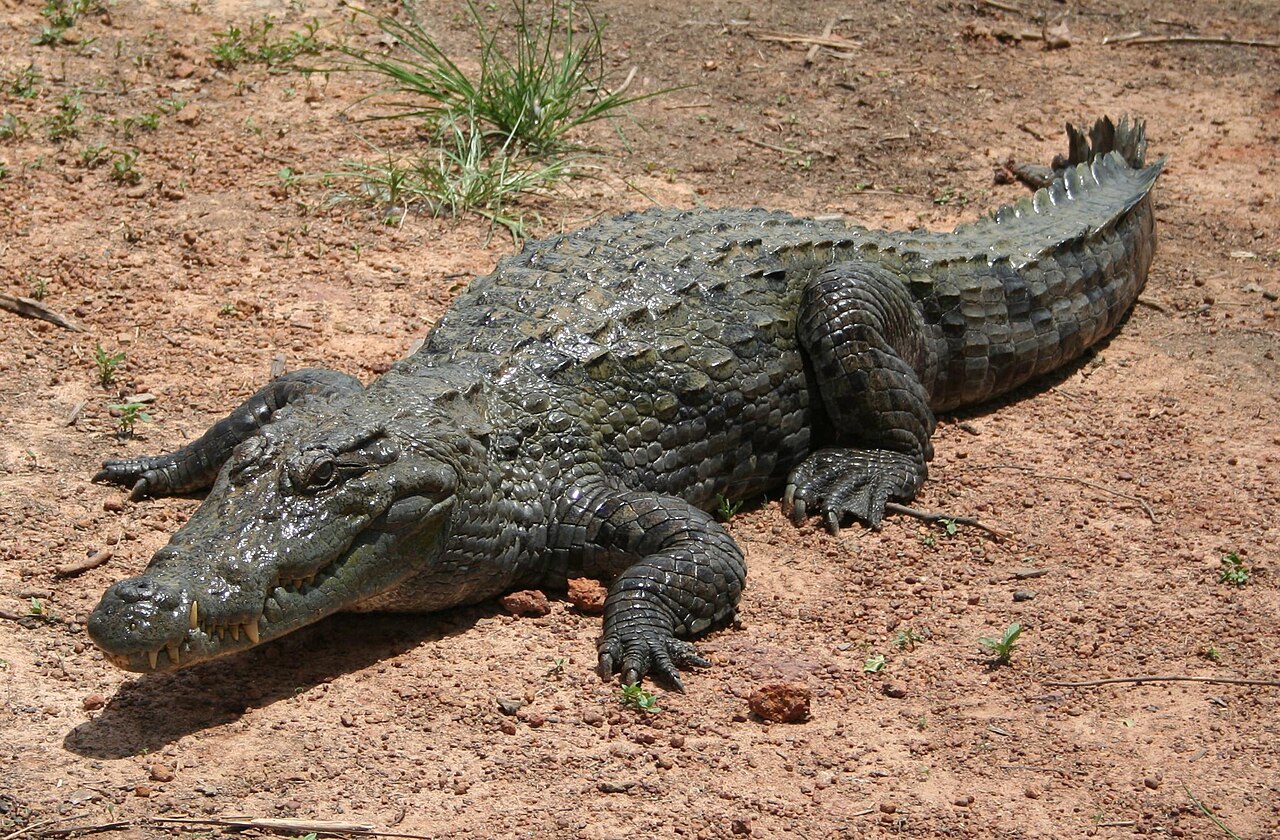
The most famous sites for encountering this living tradition are concentrated in the central region of the country, heartland of the Mossi people, who make up roughly half of the nation’s population. Two villages, in particular, have become synonymous with the phenomenon: Bazoulé and Sabou. Located about 30 kilometers west of the capital, Ouagadougou, Bazoulé is perhaps the most accessible and well-known. Here, a large, shallow pond sits at the edge of the village, its surface often still and reflective, hiding a startling population of Nile crocodiles (Crocodylus niloticus) that can reach lengths of over four meters.
The origin story of the Bazoulé crocodiles is a foundational myth of the community. Oral tradition recounts that centuries ago, a group of Mossi hunters, fleeing a devastating drought, stumbled upon the pond. Exhausted and desperate for water, they found the pool guarded by a massive crocodile. Instead of attacking, the crocodile allowed them to drink. In gratitude, the hunters made a pact: the villagers would protect the crocodiles and their pond, and in return, the crocodiles would bring rain, fertility, and prosperity. The spirits of the founding ancestors, it is believed, reside within the largest of these reptiles. To harm a crocodile is to invite spiritual catastrophe upon the entire village.
This is not a story told to tourists; it is a living charter for social and spiritual life. The pond is not just a body of water; it is a sacred grove, a temple, and a covenant made tangible. The crocodiles are fed by the village chief and the designated guardians, often with chickens or goats, a ritual that reinforces the bond between people and reptiles. This daily interaction has led to a remarkable habituation. Unlike their wild counterparts, which would flee at the sight of a human, the sacred crocodiles of Burkina Faso have learned to associate people with safety and food. They lie motionless on the banks, their jaws agape in a thermoregulatory pose, as children play nearby and women wash clothes at the pond’s edge.
The Guardians of Sabou: A Different Kind of Covenant
Further to the west, near the town of Sabou, lies another complex of sacred ponds. The tradition here, while similar, has its own unique nuances. The crocodiles of Sabou are also revered, but their specific role is tied to the resolution of conflict and the administration of justice. Local lore holds that the crocodiles can discern truth from falsehood. In times past, serious disputes between families or individuals could be settled by an oath taken in the presence of the crocodiles. A person accused of a crime would be asked to swear their innocence while touching a crocodile. If they were lying, the crocodile would attack; if truthful, they would be spared. This practice, while largely symbolic today, underscores the profound moral authority these animals hold within the community.
The Sacred Crocodiles of Burkina Faso: A Balancing Act of Faith and Ecology
The relationship between the villagers and their reptilian neighbors is not one of simple awe; it is a complex, negotiated coexistence. The sacred crocodiles of Burkina Faso are fed a steady diet of protein, which keeps them from hunting the village goats, sheep, or children. This is a crucial element of the pact. In return for their spiritual protection, the crocodiles must respect the boundaries of human life and property. This pragmatic arrangement is a testament to the sophisticated ecological understanding embedded within the tradition.
The ecological impact of this sacred status is significant. The ponds themselves have become de facto protected areas. Because the crocodiles are sacred, their habitat is also protected. The water is not polluted, the surrounding trees are not cut down for firewood, and fishing is often restricted or banned. This creates a small but vital oasis for biodiversity in a landscape increasingly threatened by desertification and agricultural expansion. Birdlife flourishes, fish populations remain healthy, and the water table is preserved. The crocodiles act as a keystone species, and their spiritual value provides a powerful, culturally enforced conservation mechanism.
This is a stark contrast to the fate of crocodiles elsewhere in Africa, where they are often hunted for their skins, culled as a threat to livestock, or killed out of fear. In Burkina Faso, these apex predators are actively protected by the very people who live closest to them. The tradition offers a powerful, real-world example of how cultural and spiritual beliefs can be more effective than government decrees or international conservation programs in preserving wildlife and habitat.
A Tangible Economic Reality: Tourism and Livelihood
In recent decades, this ancient tradition has taken on a new dimension: tourism. For the villages of Bazoulé and Sabou, the crocodiles have become a vital economic asset. Visitors from around the world, as well as from within Burkina Faso, come to witness the spectacle of feeding the crocodiles. For a small fee, tourists can purchase a chicken or a guinea fowl and, under the watchful eye of a guardian, dangle it over the water. With a startlingly fast lunge, a crocodile will snatch the offering, its powerful jaws clamping shut with a sound that echoes across the pond.
This interaction is carefully managed. The guardians know the temperament of each crocodile. They will guide tourists to safe spots, warn them not to get too close, and ensure that the feeding does not become chaotic. The revenue generated from tourism is a lifeline for these communities. It provides income for the guardians, contributes to the village treasury for projects like building schools or wells, and creates a powerful financial incentive to continue protecting the crocodiles. A single large crocodile can generate significant income over its long lifetime, making it more valuable alive than dead.
This economic dimension has also helped modernize the tradition. Young people in Bazoulé and Sabou, who might otherwise migrate to the city for work, can now find employment as guides, guardians, or in the small hospitality sector that has sprung up. The tradition is no longer just about ancestral spirits; it is also about paying school fees and putting food on the table.
“The crocodile is our ancestor. It is our brother. We do not fear it; we respect it. When the rains are late, we come to the pond and ask the crocodile to speak to the spirits for us. And it always does. The crocodile has never failed us.” — An elder guardian from Bazoulé, speaking in 2019.
Ritual, Taboo, and the Cycle of Life
The relationship is governed by a strict code of conduct, a series of taboos that ensure the spiritual contract remains unbroken. These rules are not seen as arbitrary; they are the terms of the covenant.
- No Harm: It is strictly forbidden to kill, injure, or even throw stones at a crocodile. Doing so is believed to bring sickness, drought, or death to the offender and their family.
- Respect for the Pond: The pond itself is sacred. Washing with soap, discarding trash, or defecating in the water is prohibited. The water is considered pure and spiritually charged.
- Gender Roles: While women can approach the pond to fetch water or wash clothes, the ritual feeding and direct interaction with the crocodiles is typically the domain of men, particularly the designated guardians and the village chief.
- Ceremonial Observances: Once a year, a major ceremony is held to honor the crocodiles and renew the pact. This involves drumming, dancing, sacrifices (usually of a goat or sheep), and a communal feast. The entire village participates.
These rituals are not static museum pieces. They are dynamic and adaptive. For example, the recent drought that has plagued the Sahel has led to increased prayers at the pond. Villagers report that the crocodiles have become more restless and have been seen moving further from the pond in search of water. This is interpreted as a sign that the spirits are displeased, prompting additional ceremonies and offerings. The tradition provides a framework for understanding and responding to environmental stress in a way that reinforces community cohesion.
The Crocodile as a Symbol in Mossi Culture
Beyond the specific ponds, the crocodile holds a powerful symbolic place in Mossi culture. It is a symbol of strength, patience, and ancestral power. Crocodile motifs appear in traditional architecture, on woven textiles, and in the intricate brass weights used for weighing gold dust. The crocodile is also a totem for certain clans, meaning that members of that clan are forbidden from eating crocodile meat or harming the animal in any way. This totemic relationship extends the sacred status of the crocodile far beyond the village ponds, embedding it in the very fabric of kinship and identity.
A Living Tradition in a Changing World: Challenges and Adaptations
The tradition of the sacred crocodiles of Burkina Faso is not immune to the pressures of the 21st century. The country faces significant challenges, including a growing Islamist insurgency in the north and east, periodic drought, food insecurity, and the allure of urban migration. These forces put pressure on traditional structures and beliefs.
One of the most significant challenges is the potential for conflict between traditional beliefs and a more orthodox interpretation of Islam. While many Mossi are Muslim, their practice is often deeply syncretic, blending Islam with pre-Islamic ancestral veneration. Some more conservative religious leaders have criticized the crocodile tradition as a form of idolatry (shirk). This has led to tensions in some communities, although in Bazoulé and Sabou, the tradition remains strong, with the crocodiles being respected as part of God’s creation and a source of livelihood, rather than as objects of worship themselves.
Another challenge is the impact of climate change. The sacred ponds are shallow and dependent on rainfall. Prolonged droughts can cause them to shrink dramatically, concentrating the crocodiles and increasing competition for food. In recent years, villagers have had to dig wells near the ponds to provide water for the crocodiles during the dry season, a practical adaptation that shows the tradition’s resilience.
| Village | Distance from Ouagadougou | Number of Resident Crocodiles (Est.) | Primary Spiritual Role | Key Tourist Activity |
|---|---|---|---|---|
| Bazoulé | ~30 km West | 80-120 | Rainmaking and fertility | Feeding with chickens, photo opportunities |
| Sabou | ~70 km West | 50-80 | Justice and oath-taking | Feeding, viewing larger, older specimens |
| Yanga | ~90 km South | 20-40 | Protection of the village chief | Less tourist-developed, more traditional ceremonies |
Despite these challenges, the tradition has shown remarkable adaptability. The embrace of tourism has given it a new economic rationale. The use of mobile phones and social media by young guardians to promote the sites to a global audience is a fascinating example of tradition meeting technology. A guardian in Bazoulé can now post a video of a massive crocodile feeding on Facebook, attracting visitors from France, China, and the United States. The tradition is not dying; it is evolving.
Lessons for Conservation and Coexistence
The story of the sacred crocodiles of Burkina Faso offers profound lessons for conservationists and policymakers around the world. It demonstrates that effective conservation is not just about creating national parks or enforcing laws; it is about understanding and working with local cultural values. The crocodiles of Bazoulé and Sabou are thriving not because of a government wildlife department, but because they are woven into the spiritual and economic fabric of the community.
This model of community-based conservation driven by spiritual belief is far more sustainable than top-down approaches. It creates a sense of ownership and responsibility. The people are not protecting the crocodiles for an abstract idea of “biodiversity”; they are protecting their ancestors, their livelihood, and their identity. This is a powerful, emotionally resonant motivation that can withstand hardship and change.
Furthermore, the tradition challenges the Western dichotomy between the “sacred” and the “secular,” or between “nature” and “culture.” In Bazoulé, there is no distinction. The crocodile is both a wild animal and a spiritual ancestor. The pond is both an ecosystem and a temple. This integrated worldview is something that modern conservation is only beginning to grasp: that for many communities, the health of the land and the health of the spirit are one and the same.
How to Visit the Sacred Crocodiles Respectfully
For those inspired to witness this living tradition firsthand, a visit to Bazoulé or Sabou is a straightforward day trip from Ouagadougou. However, it is crucial to approach the experience with respect and cultural sensitivity. These are not zoo animals; they are revered beings in a sacred space.
- Hire a Local Guide: Always use an official guide from the village. They will explain the protocols, ensure your safety, and facilitate the interaction with the guardians.
- Dress Modestly: As you are entering a sacred site, dress conservatively. Shoulders and knees should be covered.
- Ask Permission: Always ask before taking photographs, especially of the guardians or villagers. Some may request a small fee.
- Follow Instructions: The guardians know the crocodiles. Do not approach the water’s edge without permission. Do not make sudden movements or loud noises.
- Contribute Fairly: The fee for feeding a crocodile is typically modest (2,000-5,000 CFA francs, roughly $3-8 USD). Pay it willingly. It is a direct contribution to the village economy and the preservation of the tradition.
- Do Not Touch: Unless explicitly invited by the guardian to touch a crocodile’s tail (a common photo opportunity), keep your hands to yourself. The crocodiles are wild animals, and their behavior can be unpredictable.
Conclusion: A Covenant for the Future
The sacred crocodiles of Burkina Faso are far more than a tourist attraction or a curious footnote in an anthropology textbook. They are a vibrant, living testament to a worldview that sees humanity not as separate from nature, but as part of a sacred whole. In a time of ecological crisis and cultural homogenization, this tradition offers a powerful counter-narrative. It shows that reverence for the natural world is not a primitive superstition, but a sophisticated system of belief that can foster both spiritual fulfillment and ecological resilience.
The covenant made centuries ago between the Mossi hunters and the crocodile is renewed every day. It is renewed when a guardian feeds a giant reptile, when a child learns the stories of the ancestors, when a tourist marvels at the quiet power of the pond, and when the rains finally come. The crocodiles continue to glide through the dark waters, holding the secrets of the past and, perhaps, some essential wisdom for our shared future. To visit them is to be reminded that the most profound connections are not always between people, but between people and the wild, sacred world they have vowed to protect.