📅 Last updated: 21.08.2026
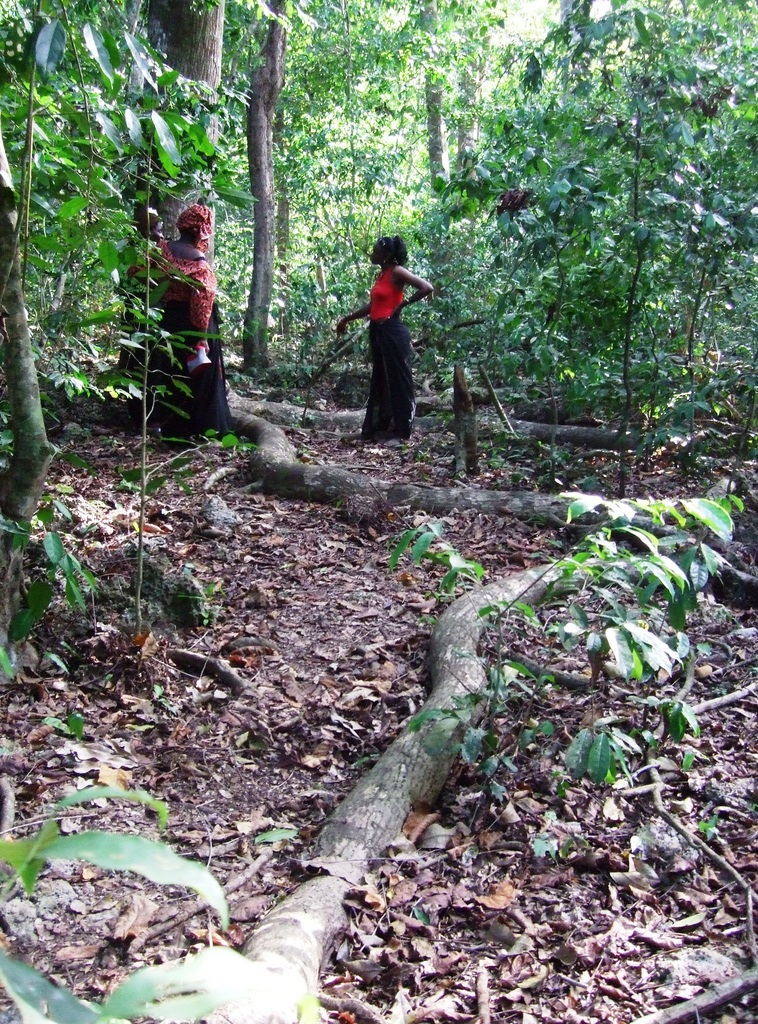
Kaya forests Kenya represent one of the most profound, yet understated, examples of how indigenous belief systems can act as the ultimate conservation tool, weaving together the spiritual, the ecological, and the historical into a living tapestry that has survived centuries of change. Scattered along the Swahili Coast, these sacred groves are not merely patches of ancient woodland; they are the physical embodiments of the Mijikenda people’s ancestral memory, fortified citadels of culture that have outlived empires and continue to stand as vibrant testaments to a deep-rooted connection with the land. To walk into a kaya is to step out of the sun-drenched, bustling modernity of coastal Kenya and into a cathedral of green, where the air is thick with humidity, the calls of unseen birds echo through the canopy, and the weight of a thousand years of history presses gently upon you.
- The Historical Roots and Cultural Significance of Kaya Forests Kenya
- A Sanctuary of Biodiversity: The Ecological Treasure Within
- The Sacred Groves System: Governance and Taboos
- Modern Challenges: The Fight for Survival
- Conservation in Action: Weaving the Old with the New
- The Kaya Forests in the Modern Cultural Imagination
- Conclusion: The Enduring Power of a Sacred Grove
The term kaya itself translates to “home” or “homestead” in the Mijikenda language, but its meaning transcends the physical. These forests are the spiritual headquarters of the nine Mijikenda sub-tribes — the Giriama, Digo, Duruma, Rabai, Kambe, Jibana, Ribe, Chonyi, and Kauma. For centuries, these groves served as fortified settlements, places of refuge, and sacred grounds where elders conducted rituals, sought guidance from ancestors, and preserved the very essence of their identity. Today, they stand as isolated islands of biodiversity in a rapidly changing landscape, a green archipelago of sacredness that offers a unique window into a worldview where nature and culture are inseparable.
The Historical Roots and Cultural Significance of Kaya Forests Kenya
The story of the kaya forests begins with the great migration of the Mijikenda people. According to oral tradition, ancestors of the Mijikenda migrated from a legendary homeland called Shungwaya, believed to be located in the Horn of Africa, possibly in modern-day Somalia, sometime between the 16th and 17th centuries. Facing pressure from other groups, they moved southward along the coast, eventually establishing a series of fortified hilltop settlements. These settlements, known as makaya (plural of kaya), were strategically positioned on forested hills, offering both natural defense and a spiritual sanctuary. The elders, or ngambi, led the people, and the forests became the repository of their collective soul.
Within these settlements, the kaya was not just a place to live; it was a complex social and political institution. The physical layout of the village was highly symbolic, with specific areas designated for different functions. The fingo, a set of powerful magical objects believed to protect the community, was buried at the heart of the forest, often beneath a giant, ancient tree. This physical act of burying sacred objects consecrated the entire forest, making it a place of immense spiritual power. The Mkongani, or council of elders, held their meetings in a clearing within the forest, deliberating on matters of law, justice, and community welfare. The forest, therefore, was not a wilderness to be feared, but a civic and sacred space, a living archive of laws, history, and spirituality.
The decline of the kaya as permanent settlements began in the 19th and early 20th centuries. As the Mijikenda moved to lower, more fertile lands for agriculture and trade, the hilltop kayas were gradually abandoned as places of residence. However, they were never abandoned as places of spiritual importance. They transitioned from being lived-in homesteads to being purely sacred groves, maintained by the elders as cemeteries, prayer sites, and ritual grounds. This shift was crucial; it preserved the forests while adapting to new social realities. The kaya forests remained, and still remain, the spiritual anchor for the Mijikenda diaspora living in towns and cities along the coast.
The colonial era brought new challenges. The British administration often saw the kaya forests as impediments to development and sources of “primitive” superstition. Some forests were cleared for timber or to make way for plantations, while Christian missionaries actively discouraged the practices associated with the kayas. Despite these pressures, the Mijikenda elders maintained their vigil, often concealing the most sacred areas of the forest from outsiders. This period of suppression inadvertently reinforced the secretive and protective nature of the kaya institution, ensuring its survival into the post-independence era.
A Sanctuary of Biodiversity: The Ecological Treasure Within
Beyond their profound cultural value, Kaya forests Kenya are recognized as critical ecological refuges. They are the remnants of the East African coastal forest ecoregion, a habitat that has been severely fragmented and is now globally recognized as a biodiversity hotspot. These forests are home to an extraordinary number of endemic species — plants and animals found nowhere else on Earth. The Kenya Forestry Research Institute (KEFRI) and various conservation bodies have documented over 600 plant species within the kaya forests, a remarkable number for such small, isolated patches of land.
The ecological importance of these groves is immense. They act as crucial water catchments, filtering rainfall and recharging the aquifers that supply fresh water to the surrounding communities and the coastal cities of Mombasa and Kilifi. The dense canopy and deep root systems prevent soil erosion on the steep slopes where many kayas are located, protecting the fragile coastal ecosystem. Furthermore, they serve as vital corridors and stepping-stones for wildlife, allowing species to move between larger, protected areas. In a landscape increasingly dominated by cashew plantations, maize fields, and settlements, the kaya forests are green lifelines for wildlife.
Among the most notable inhabitants of these forests are the Pemba flying fox, a large fruit bat that is endemic to the region and plays a critical role in seed dispersal. The forests are also home to the Angola black-and-white colobus monkey and the Sykes’ monkey, whose acrobatic movements through the canopy are a common sight for those who venture inside. The birdlife is equally spectacular, with species like the Spotted ground thrush and the Sokoke scops owl finding refuge in the dense undergrowth. The Zanzibar red bishop and various sunbirds add flashes of brilliant color to the verdant gloom.
The botanical diversity is staggering. The kayas contain several species of rare and valuable timber trees, including the Muhuhu (Brachylaena huillensis), a highly prized hardwood, and the Mvule (Milicia excelsa), or African teak. These trees, once common along the coast, have been heavily logged elsewhere but survive in the protected confines of the kayas. The forests are also a treasure trove of medicinal plants. Traditional healers, or aganga, still gather herbs and roots from the forest to treat a wide range of ailments, from malaria and stomach upsets to skin diseases and mental health conditions. The knowledge of these plants, passed down through generations, is an invaluable resource that is now being studied by scientists for its potential to contribute to modern medicine.
“The kaya is our church, our hospital, and our library,” says Abdulrahman Mwakima, a Mijikenda elder from the Kaya Fungo in Kilifi County. “When you cut down a tree, you are not just losing wood. You are losing the shade for our ancestors, the medicine for our children, and a page from our history book.”
The relationship between the Mijikenda and the forest is one of mutual dependence. The forest provides for the community’s physical and spiritual needs, and in return, the community protects the forest through a complex system of taboos and regulations. Certain trees are considered sacred and cannot be cut down; certain animals are protected; and entering certain areas of the forest is forbidden to all but the most senior elders. This traditional system of governance, deeply rooted in spiritual belief, has been more effective at preserving biodiversity than many modern, top-down conservation models.
The Sacred Groves System: Governance and Taboos
The governance of Kaya forests Kenya is a masterpiece of community-based conservation, a system that predates modern environmentalism by centuries. Each kaya is managed by a council of elders, the ngambi, who are the custodians of the forest and its traditions. Their authority is not merely social but is believed to be divinely sanctioned. They are the intermediaries between the living and the ancestors, and their word is law within the kaya. This council is responsible for enforcing the taboos, or miko, that govern the use of the forest.
These taboos are extensive and specific. They are not arbitrary rules but are designed to maintain the ecological and spiritual integrity of the forest. For instance, it is taboo to cut down a living tree in the core area of the kaya. It is taboo to hunt certain animals, particularly those that are considered totems for the community. It is taboo to bring in certain objects or to engage in certain behaviors, like fighting or using foul language, within the sacred precincts. These prohibitions are enforced through the belief in supernatural retribution — it is believed that those who violate the taboos will be punished by the ancestors, often through illness, misfortune, or even death.
This system creates a powerful deterrent. The fear of spiritual punishment is often a more effective motivator than the fear of a fine or jail sentence. The elders, however, also understand the needs of the community. They allow for the sustainable harvesting of certain resources, such as medicinal plants, dead wood for firewood, and specific fruits and nuts, as long as it is done respectfully and does not harm the core of the forest. This is a dynamic and adaptive system that evolves to meet the challenges of each new era.
In 2008, the global community recognized the outstanding universal value of these forests. The UNESCO World Heritage Committee inscribed the Sacred Mijikenda Kaya Forests as a World Heritage Site. This inscription, which covers 11 of the most significant kaya forests scattered across the coastal counties of Kwale, Kilifi, Mombasa, and Taita-Taveta, was a landmark achievement. It brought international attention to the unique value of these groves and provided a framework for enhanced protection and support. The listing acknowledged that the kaya forests are not just a Kenyan treasure but a heritage for all humanity.
| Kaya Forest | Location | Key Significance | Area (approx.) |
|---|---|---|---|
| Kaya Kinondo | Msambweni, Kwale County | One of the most visited and well-managed kayas; famous for its mangrove boardwalk and eco-tourism initiatives. | 30 hectares |
| Kaya Fungo | Kilifi County | Known for its large size and the presence of the fingo, the powerful protective objects; a key site for Mijikenda rituals. | 150 hectares |
| Kaya Giriama | Malindi, Kilifi County | Associated with the Giriama people and the historical resistance led by Mekatilili wa Menza against colonial rule. | 20 hectares |
| Kaya Diani | Diani Beach, Kwale County | A small but highly sacred forest located near the tourist hub of Diani, under pressure from development. | 10 hectares |
| Kaya Kambe | Kaloleni, Kilifi County | One of the oldest kayas, believed to be among the first settlements after the migration from Shungwaya. | 40 hectares |
The UNESCO listing, however, is a double-edged sword. While it provides recognition and potential funding, it also brings increased attention, which can lead to a rise in tourism and the associated risks of cultural commodification and environmental damage. The challenge for the custodians and the Kenyan government is to manage this attention in a way that benefits the community and the forest without compromising its sacred nature. The Kaya Kinondo model, where a portion of the forest is opened for guided eco-tourism, with the revenue going directly to the elders and community projects, is often cited as a successful example of balancing preservation with sustainable development.
Modern Challenges: The Fight for Survival
Despite their sacred status and international recognition, Kaya forests Kenya face a precarious future. The pressures on these ancient groves are numerous and intense, coming from all sides of modern society. One of the most significant threats is the relentless march of urbanization. The coastal region is one of the fastest-growing areas in Kenya, with tourism, trade, and agriculture driving a population boom. This has led to the clearing of land for new homes, hotels, and farms, encroaching directly on the boundaries of the kaya forests. In some cases, the forests have been fragmented, with chunks of land excised for development, breaking the ecological and spiritual integrity of the site.
Tropical deforestation is not the only threat; the invasive species that often come with development are a silent killer. The Alien invasive species, such as the Lantana camara and the Rubber vine, are smothering native vegetation, outcompeting the indigenous plants that the local wildlife and traditional healers depend on. These invaders are often introduced accidentally as ornamental plants in gardens and then spread into the forests, where they thrive due to the lack of natural predators. The management of these invasive species is a constant and costly battle for conservationists and the kaya elders.
Another significant challenge is the erosion of traditional values and knowledge. As younger generations of Mijikenda move to cities for education and work, they become disconnected from their ancestral lands and the intricate belief systems that govern them. The authority of the elders is being challenged by the secular, modern world. The taboos that once protected the forests are seen by some as outdated superstitions, leading to a breakdown in the traditional governance system. If the youth do not understand or respect the cultural significance of the kaya, the forests will lose their most powerful defenders. The Kaya elders are working hard to bridge this generational gap, holding educational programs in schools and involving young people in conservation activities, but it is an uphill battle.
Climate change adds another layer of complexity to this fragile ecosystem. Rising sea levels threaten the coastal kayas, and changing rainfall patterns are increasing the frequency and severity of droughts. This stress makes the forests more susceptible to fire, which is a major hazard, especially during the dry season. A single uncontrolled fire can devastate a kaya forest, destroying centuries of growth and the habitat of countless species. The elders and conservation groups are now working on fire management plans, but the unpredictable nature of climate change makes this a daunting task.
Conservation in Action: Weaving the Old with the New
In the face of these challenges, a remarkable story of resilience and innovation is unfolding. Conservation efforts in Kaya forests Kenya are no longer just about fences and guards; they are about revitalizing the cultural bond between the people and the forest. The most successful initiatives are those that treat the elders as the primary partners, not as obstacles. Organizations like the Kaya Elders Association, Nature Kenya, and the National Museums of Kenya are working together to create management plans that are rooted in traditional knowledge while incorporating modern scientific techniques.
One of the most effective strategies is the creation of Community Forest Associations (CFAs). These legal entities, recognized under Kenya’s Forest Act of 2005, allow local communities to co-manage forests with the Kenya Forest Service. For the kaya forests, this means the Mijikenda community has a legal right and responsibility to manage their sacred groves. This empowers them and provides a formal framework for their traditional governance. The CFAs are involved in everything from patrolling the forests to prevent illegal logging and encroachment, to leading eco-tourism initiatives and managing invasive species.
Eco-tourism, when done right, is proving to be a powerful tool for conservation. The Kaya Kinondo forest is the shining example. Here, a boardwalk has been constructed through the forest, allowing visitors to experience the beauty and tranquility of the grove without disturbing the forest floor. The tours are led by trained community members who share the history and cultural significance of the kaya. The entrance fees and guide fees generate a steady income for the community, which is used for forest management, school fees for local children, and other community development projects. This creates a powerful economic incentive for the community to protect the forest, transforming it from a symbol of the past into an engine for a sustainable future.
Scientific research is also playing a crucial role. Botanists and ecologists are conducting detailed surveys of the flora and fauna within the kayas, creating databases of the species found there. This data is essential for tracking the health of the ecosystem and for making informed management decisions. Ethno-botanists are working with traditional healers to document the medicinal uses of plants, creating a valuable record of this indigenous knowledge before it is lost. Research into the genetic diversity of the kaya trees is also helping to identify the most important sites for conservation and to potentially find genes that could be useful for breeding climate-resilient crops.
The integration of technology is also making a difference. The use of Geographic Information Systems (GIS) is helping to map the exact boundaries of the kaya forests and monitor changes in forest cover over time. Mobile phone applications are being developed to allow community members to report illegal activities, such as logging or poaching, in real-time. Drones are being used to survey remote or inaccessible parts of the forest, providing a bird’s-eye view of the ecosystem. These tools, when combined with the deep local knowledge of the elders, create a powerful and comprehensive conservation strategy.
The Kaya Forests in the Modern Cultural Imagination
The influence of the kaya forests extends far beyond the boundaries of the groves themselves. They have become powerful symbols in the cultural and political life of the coastal region. In the early 20th century, the kaya was a rallying point for resistance against colonial rule. The legendary Giriama prophetess and resistance leader, Mekatilili wa Menza, used the kaya as a spiritual base to organize her people against British taxation and forced labor policies in 1913. She performed rituals in the kaya to inspire her followers and to seek the blessing of the ancestors for their struggle. The kaya, therefore, is not just a place of peace but also a place of historic defiance and strength.
Today, the kaya continues to inspire. Kenyan artists, musicians, and writers draw upon the imagery and spirituality of the kaya in their work. The rhythms of the Chakacha dance, the vibrant Kanga textiles, and the intricate wood carvings that are famous along the coast often carry motifs inspired by the kaya forests. The kaya is a touchstone for a modern Swahili identity that is both deeply rooted in its past and looking toward the future. It represents a sense of belonging and a connection to the ancestral land that many urban Kenyans are seeking to reclaim.
There is a growing movement among the Mijikenda diaspora, both within Kenya and abroad, to reconnect with their roots. Young professionals are making pilgrimages back to their ancestral kayas, seeking to learn from the elders and to contribute to the conservation of their heritage. This is a vital development, as it bridges the generational gap and brings new energy and resources to the cause. They are not just passive observers but are becoming active participants in the struggle to preserve these unique ecosystems. They are organizing fundraising events, creating social media campaigns to raise awareness, and using their professional skills to help with everything from legal advocacy to marketing eco-tourism ventures.
The kaya forests also hold a unique place in the global conversation about conservation. They are often cited as a prime example of Indigenous and Community Conserved Areas (ICCAs), a concept that has gained significant traction in international environmental policy. The success of the kaya system demonstrates that conservation is most effective when it is driven by the people who live closest to the land and who have a cultural and spiritual investment in its well-being. The kaya offers a powerful counter-narrative to the idea that nature must be protected from people; instead, it shows that people and nature can thrive together in a symbiotic relationship.
Conclusion: The Enduring Power of a Sacred Grove
The Kaya forests Kenya are more than just a collection of ancient trees; they are a living philosophy, a testament to the idea that the sacred and the sustainable are inextricably linked. They stand as a vibrant, complex, and deeply human ecosystem, a place where the roots of a culture are intertwined with the roots of the forest itself. Their story is one of survival against the odds — surviving the pressures of migration, colonialism, and now the relentless forces of globalization and climate change. The fact that they still exist is a testament to the unwavering dedication of the Mijikenda elders and their communities, who have served as the guardians of these groves for centuries.
The future of these sacred forests hangs in a delicate balance. The threats are real and significant, but so is the resolve to protect them. The journey forward requires a multifaceted approach that honors the past while embracing the future. It requires strengthening the legal and institutional frameworks that protect the kayas, while simultaneously investing in the community-led initiatives that make conservation economically viable. It requires a deep appreciation for the traditional knowledge of the elders, combined with the innovative tools of modern science. Above all, it requires a collective commitment from the Kenyan government, the international community, and, most importantly, the Mijikenda people themselves, to ensure that these green cathedrals remain standing for generations to come.
Visiting a kaya forest is a transformative experience. It is a reminder that in a world of constant motion and rapid change, there are still places where time seems to stand still. It is a lesson in humility, a demonstration of the profound power of nature to inspire reverence and awe. As the sun filters through the dense canopy, casting dappled shadows on the forest floor, one cannot help but feel a deep sense of peace and a profound connection to something much larger than oneself. The kaya is a sanctuary, a living library, and a powerful symbol of hope. It proves that the ancient wisdom of Africa, far from being a relic of the past, is a vital and essential guide for navigating the challenges of the 21st century. The future of these sacred groves is not just a Kenyan concern; it is a global one, for in protecting them, we protect a blueprint for a more harmonious relationship between humanity and the natural world.