📅 Last updated: 19.08.2026
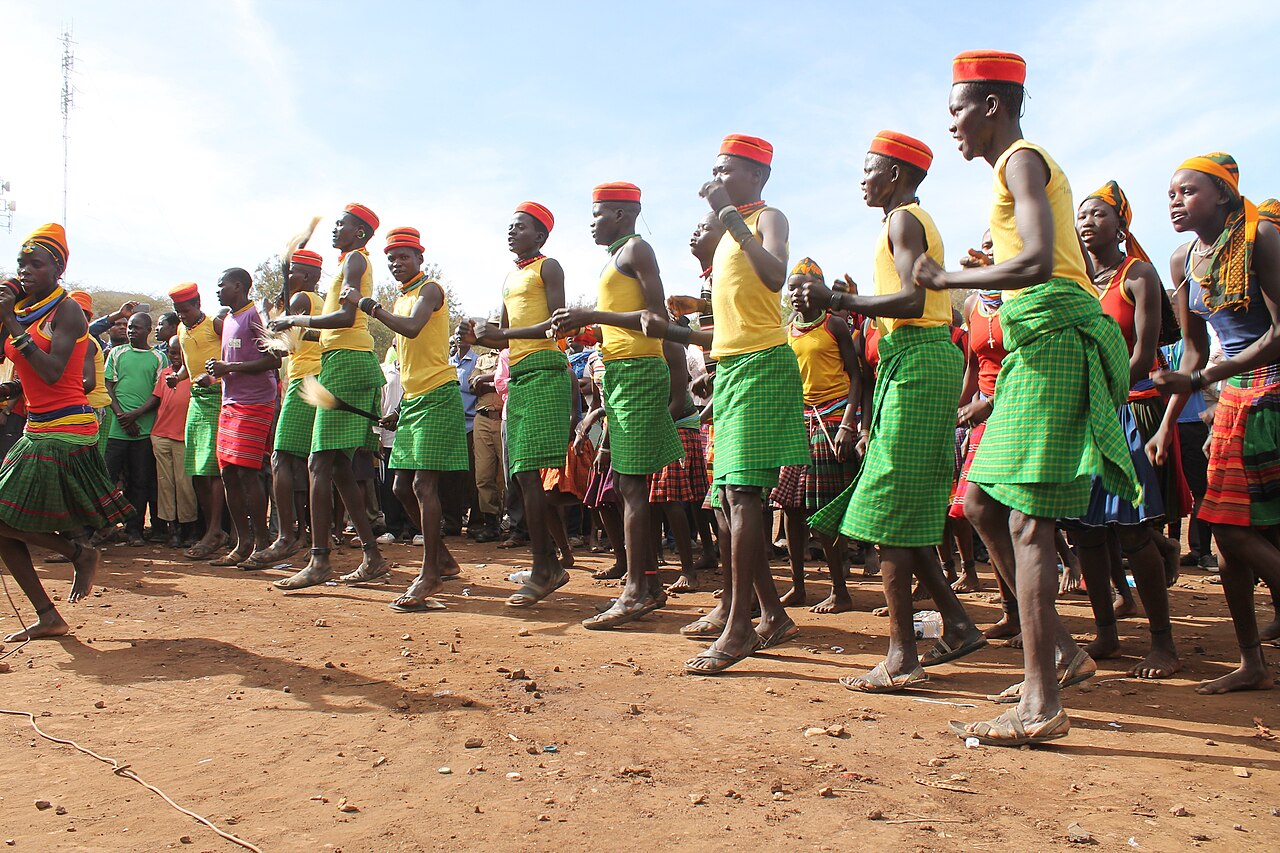
The Ngimiro dance Uganda is more than a performance; it is the living, breathing archive of the Karamojong people, a testament to a warrior culture that has survived drought, displacement, and the pressures of modernity. To witness the Ngimiro is to see history in motion—a symphony of dust, chanting, and the rhythmic stamp of bare feet on the hard earth of Karamoja. This is not a spectacle staged for tourists; it is a profound expression of identity, a rite of passage, and a communal heartbeat that connects the present to a storied, resilient past.
- The Heartbeat of the Ngimiro Dance Uganda: More Than Movement
- Rhythms and Rituals: The Structure of a Ngimiro Performance
- From Raids to Reconciliation: The Ngimiro in a Changing World
- Karamoja Today: A Region in Transition
- The Role of Elders and the Transmission of Knowledge
- Beyond the Spectacle: The Ngimiro's Deeper Significance
- Witnessing the Dance: A Practical Guide for the Traveler
- The Ngimiro's Enduring Legacy and Future
Nestled in the northeastern corner of Uganda, Karamoja is a region of stark beauty and harsh contrasts. It is a land of semi-arid plains, rocky outcrops, and acacia trees, where the sun beats down with an unrelenting intensity. Here, the Karamojong people, a Nilotic ethnic group, have for centuries practiced a pastoralist way of life, their wealth measured in cattle, their social structure built around the age-set system, and their courage celebrated through the dance of the warriors, the Ngimiro.
The Heartbeat of the Ngimiro Dance Uganda: More Than Movement
The Ngimiro dance Uganda is the quintessential expression of Karamojong manhood and communal solidarity. It is a dance of pride, strength, and agility, traditionally performed by the Ngikarimojong (warriors) to celebrate victories in battle, successful cattle raids, or to mark significant life events like marriages and initiations. While the world often views dance as entertainment, for the Karamojong, the Ngimiro is a functional and spiritual act. It is a way to recount heroic deeds, to intimidate rivals, and to reinforce the social cohesion that is vital for survival in a challenging environment.
The dance itself is a powerful display of athleticism. Warriors, adorned with elaborate beadwork, ostrich feathers, and often carrying spears or clubs, leap high into the air, their bodies vibrating with energy. The movements are not choreographed in the Western sense; they are spontaneous, driven by the rhythm of the chants and the pulse of the crowd. The high jumps are a show of vigor and fitness, a visual metaphor for the ability to see far across the plains and to overcome obstacles. The stamping of feet sends a tremor through the ground, a declaration of presence and belonging. The chants, often led by an elder, are call-and-response, weaving together stories of legendary ancestors, prized bulls, and the beauty of the land.
To understand the Ngimiro is to understand the centrality of the warrior ethos in Karamojong society. For generations, a man’s status was inextricably linked to his bravery, his skill in protecting the herd, and his participation in the complex, and often violent, system of cattle raiding. The dance was the stage on which this bravery was performed and validated. It was, and remains, a crucial element of the initiation process, where young men transition into adulthood and take their place among the ranks of the warriors. The Ngimiro is not merely a reflection of this culture; it is the very mechanism through which the culture is transmitted and renewed.
The Adornments: A Language of Identity
No description of the Ngimiro dance Uganda is complete without acknowledging the intricate and symbolic adornments worn by the dancers. Every element, from the color of the beads to the style of the headdress, carries specific meaning, revealing a person’s age-set, clan, and social status.
- The Headdress: Often made from ostrich feathers, the headdress (Asapan) is a mark of the warrior. The number and arrangement of feathers can signify specific achievements or rank within the age-set hierarchy.
- The Beadwork: The elaborate necklaces and collars, known as Agatamari, are not just decorative. They are often given by mothers, sisters, or sweethearts. The colors are significant: red for bravery and blood, white for peace and purity, and blue for the sky and rain. The sheer weight of the beads is a display of wealth and the wearer’s connection to their family.
- The Body: Warriors often rub their bodies with a mixture of cow fat and red ochre (emunyenata). This not only protects their skin from the harsh sun and insects but also gives them a distinctive, gleaming appearance. Scarification, particularly on the chest and back, is a permanent record of significant life events, such as killing a lion or a successful raid.
- The Weapons: While the dance is primarily about movement, warriors often carry their spears (alim) and clubs (ngakine). These are not props; they are extensions of the warrior’s identity, and their presence in the dance reinforces the connection between the performance and the reality of the warrior’s protective role.
This visual language is crucial. In a society without a written historical record until recent times, the body and its adornments served as a living text, encoding the history and values of the people. The Ngimiro dance Uganda, in all its visual splendor, is a powerful medium for this storytelling.
Rhythms and Rituals: The Structure of a Ngimiro Performance
A Ngimiro performance is not a single, fixed routine. It is a dynamic and participatory event that can last for hours, often taking place in the open air, in a central clearing known as an akiriket. The atmosphere is electric, charged with the energy of the community. It is a moment of collective catharsis and celebration.
The structure typically follows a pattern, although it can be fluid and spontaneous. It begins with a slow, rhythmic chanting and a building of energy as the warriors circle the performance area. This is a time of anticipation, as the elders call out names of the brave, and the warriors respond with guttural affirmations. The pace quickens, the stamping becomes more forceful, and the high jumps begin. Individuals will break from the group to perform a solo display, showcasing their stamina and agility, often leaping to incredible heights while maintaining a rigid posture. These solo moments are a form of personal declaration, a chance to shine and be recognized.
The soundscape is as important as the visual spectacle. The deep, resonant chanting of the men, the high-pitched ululations of the women, the rhythmic clapping, and the thud of thousands of feet create a powerful, immersive sonic environment. There are no drums in the traditional Ngimiro; the body and the voice are the only instruments. This makes the performance intensely personal and raw, a direct expression of human energy and emotion.
“The Ngimiro is our newspaper, our radio, and our history book. When we dance, we remember who we are. We tell our children of the great warriors of the past, and we show them the strength that lives in their own legs and their own hearts.” — An elder of the Matheniko clan, as recounted during a 2019 interview with cultural researchers.
The role of women in the Ngimiro dance Uganda is also vital. While they do not typically perform the high jumps of the men, they are an integral part of the ceremony. They form a ring around the warriors, singing, clapping, and ululating. Their presence is a source of inspiration and validation for the men. Their songs often praise the warriors, but they also serve as a social commentary, offering praise or gentle ridicule to ensure the social order is maintained. The women’s participation completes the circle, making the Ngimiro a truly communal event that binds the entire society together.
From Raids to Reconciliation: The Ngimiro in a Changing World
The history of the Ngimiro dance Uganda is inextricably linked to the history of Karamoja itself, a history that has been profoundly shaped by conflict and change. The traditional cattle raid, or akiriket, was not merely theft; it was a complex socio-economic and political institution. It served to restock herds after drought, to acquire bride-wealth, and to demonstrate bravery. The Ngimiro celebrated these successful raids, turning individual acts of courage into communal legend.
However, the late 20th and early 21st centuries brought immense challenges. The proliferation of small arms, often flowing across borders from conflicts in Sudan and Somalia, transformed the nature of raiding. What was once a ritualized activity with rules of engagement became a brutal and deadly form of warfare, leading to a cycle of violence, displacement, and humanitarian crisis. Communities were decimated, and the very fabric of pastoralist life was threatened.
In response, the Ugandan government, in collaboration with international NGOs, initiated a massive and controversial disarmament campaign beginning in the early 2000s. This process was not without its human rights abuses, but it was a necessary step to quell the violence. The disarmament forced a fundamental re-evaluation of the warrior identity. What does it mean to be a warrior when you no longer have a spear or a gun? The answer, in part, was found in the resilience of culture, and the Ngimiro dance Uganda became a crucial vehicle for this redefinition.
The dance has been repurposed. While it still celebrates strength and heritage, the focus has shifted from martial prowess to cultural preservation and social cohesion. The Ngimiro is now performed at government functions, cultural festivals, and peace-building initiatives. It is a powerful tool for promoting tourism and economic development in a region that needs it desperately. The warrior’s leap is no longer a prelude to a raid, but a statement of resilience and a bridge to a more peaceful future.
Karamoja Today: A Region in Transition
To truly appreciate the significance of the Ngimiro dance Uganda, one must understand the context of contemporary Karamoja. The region is undergoing a rapid and often difficult transformation. The government has encouraged the Karamojong to settle and take up agriculture, a shift away from their nomadic pastoralism. This has brought both opportunities and challenges, impacting land use, social structures, and cultural practices.
Despite the challenges, there is a vibrant sense of cultural pride and a determination to preserve heritage. The Ngimiro is a central part of this effort. It is taught to younger generations, not just as a dance, but as a complete system of knowledge. Community-led initiatives and cultural centers are working to document the songs, stories, and rituals associated with the dance. The focus is on adaptation and innovation, ensuring that the core values of the culture—courage, community, and resilience—are carried forward in a new context.
There is also a growing recognition of the Ngimiro’s artistic and commercial value. Cultural troupes have been formed to perform at national events like the Uganda National Cultural Centre’s festivals and at international forums, showcasing the unique beauty of Karamoja to the world. This not only provides income for local communities but also fosters a sense of pride and global connection. The dance is no longer an insular practice; it is an ambassador for a culture that is often misunderstood and marginalized.
Key Dates in the Modern Evolution of the Ngimiro
| Year | Event | Impact on Ngimiro |
|---|---|---|
| 2001-2010 | Government-led disarmament campaigns in Karamoja. | Shift in the dance’s focus from celebrating raids to promoting peace and cultural identity. Increased pressure to abandon certain warrior traditions. |
| 2010s | Growth of cultural tourism and formation of local dance troupes. | Ngimiro becomes a source of income and a means of cultural expression for a wider audience, both national and international. |
| 2013 | Construction of the Karamoja Cultural Centre in Moroto. | Provides a dedicated space for practicing, teaching, and preserving the Ngimiro and other cultural traditions. |
| 2019 | Karamoja region hosts the national “Nyege Nyege” festival’s regional showcase. | Brings the Ngimiro to a young, pan-African audience, blending traditional dance with modern festival culture. |
This table highlights a crucial narrative: the Ngimiro is not a static relic. It is a dynamic cultural form that has responded to the pressures of history, adapting its meaning and purpose to serve the community in new ways. The dance is a living barometer of the Karamojong people’s journey.
The Role of Elders and the Transmission of Knowledge
The survival of the Ngimiro dance Uganda rests on the shoulders of the elders, the Ngikarimojong who are the custodians of oral history and tradition. They are the ones who know the songs, the stories, and the intricate rules of the dance. They are the living libraries of the culture. Their role is not passive; they are the directors, the critics, and the historians of the Ngimiro.
The transmission of this knowledge is a formal and informal process. Young boys learn by watching their fathers and older brothers, absorbing the rhythms and movements from a young age. As they grow, they are mentored by the elders, who teach them the specific songs and the stories behind them. This is not just about learning steps; it is about learning values. Through the dance, young men learn about courage, discipline, respect for their elders, and the importance of community over self.
This intergenerational transfer is under threat. The allure of modern life, with its focus on formal education and urban employment, has drawn some young people away from traditional practices. However, there is a strong counter-movement. Many young Karamojong are actively seeking to learn the Ngimiro, seeing it as a source of identity and pride in a rapidly globalizing world. They are not just preserving the past; they are reinterpreting it for the present, ensuring that the dance remains relevant and vibrant for generations to come.
Beyond the Spectacle: The Ngimiro’s Deeper Significance
For the outsider, the Ngimiro dance Uganda is a breathtaking spectacle of color, movement, and sound. But to truly understand it, one must look beyond the surface. The dance is a profound expression of a worldview. It is a physical manifestation of the Karamojong’s relationship with their land, their cattle, and their ancestors. It is a prayer for rain, a celebration of life, and a defiant statement of identity in the face of immense challenges.
The high jumps are not just athletic feats; they are a symbolic reaching towards the heavens, a connection to the divine. The stamping of the feet is a grounding, a reaffirmation of their bond with the earth. The chants are a form of collective memory, ensuring that the heroes of the past are not forgotten. The Ngimiro is a holistic practice that engages the body, mind, and spirit, serving as a powerful source of psychological and social strength.
In a world that often homogenizes culture, the Ngimiro stands as a vibrant testament to the beauty and power of human diversity. It is a reminder that tradition is not the opposite of modernity, but rather a rich foundation upon which a unique and resilient future can be built. The dance offers a powerful counter-narrative to the often-negative stories that emerge from the region, showcasing the creativity, strength, and profound humanity of the Karamojong people.
Witnessing the Dance: A Practical Guide for the Traveler
For those inspired to witness the Ngimiro dance Uganda firsthand, it is an experience that will stay with you for a lifetime. However, it is essential to approach the experience with respect and cultural sensitivity. The dance is not a zoo exhibit; it is a sacred cultural practice.
- When to Go: The best time to visit Karamoja is during the dry season, roughly from November to February, when roads are passable and cultural events are more frequent. The Karamojong Cultural Festival, held annually in Moroto, is an excellent opportunity to see the Ngimiro alongside other traditions.
- How to See It: The most authentic way to experience the dance is through a community-based tourism initiative. Organizations like the Karamoja Development Forum or local tour operators can arrange visits to villages where you can witness the dance in its natural context. This ensures that the community directly benefits from your visit.
- Respect the Culture: Always ask for permission before taking photos or videos. The Karamojong are proud people, and their consent is paramount. Dress modestly, and be mindful that you are a guest. Engage with the people, listen to their stories, and show genuine interest in their culture.
- Be Prepared: Karamoja is a remote and underdeveloped region. Amenities are basic, and the infrastructure can be challenging. Bring sufficient water, sun protection, and be prepared for long journeys on rough roads. Your patience and flexibility will be rewarded with an unparalleled cultural experience.
Traveling to Karamoja is not for the faint-hearted, but it is a journey into the soul of Africa. It is an opportunity to witness a culture that has remained fiercely independent and deeply connected to its roots. You will leave with a profound respect for the Karamojong and the indomitable spirit of their warrior dance.
The Ngimiro’s Enduring Legacy and Future
The Ngimiro dance Uganda has proven its resilience over centuries, adapting to the ebb and flow of history. It has survived colonial rule, civil conflict, and now the complex pressures of globalization and climate change. The land itself is changing, with unpredictable rains and increasing temperatures threatening the pastoralist way of life. Yet, the dance endures. It is a source of solace, strength, and unity.
The future of the Ngimiro lies in the hands of the young Karamojong, who are navigating the delicate balance between preserving their heritage and embracing the opportunities of the 21st century. They are using social media to share their dance with the world, creating new forms of expression while honoring the old. They are taking the Ngimiro from the dusty plains of Karamoja to the digital stage, ensuring its survival and evolution.
The Ngimiro is more than just a dance from a remote corner of Uganda; it is a powerful symbol for the entire continent. It represents the strength that comes from community, the beauty of cultural diversity, and the unyielding human spirit. It challenges the narrative of Africa as a continent in crisis, instead presenting a story of resilience, creativity, and profound cultural wealth. The warrior’s leap is not a leap into the past, but a leap of faith into a future where identity is cherished, and heritage is the bedrock of progress. It is a story of a people who, despite everything, continue to dance with the sun on their faces and the dust of their ancestors at their feet, celebrating who they are and all they have overcome.