📅 Last updated: 05.07.2026
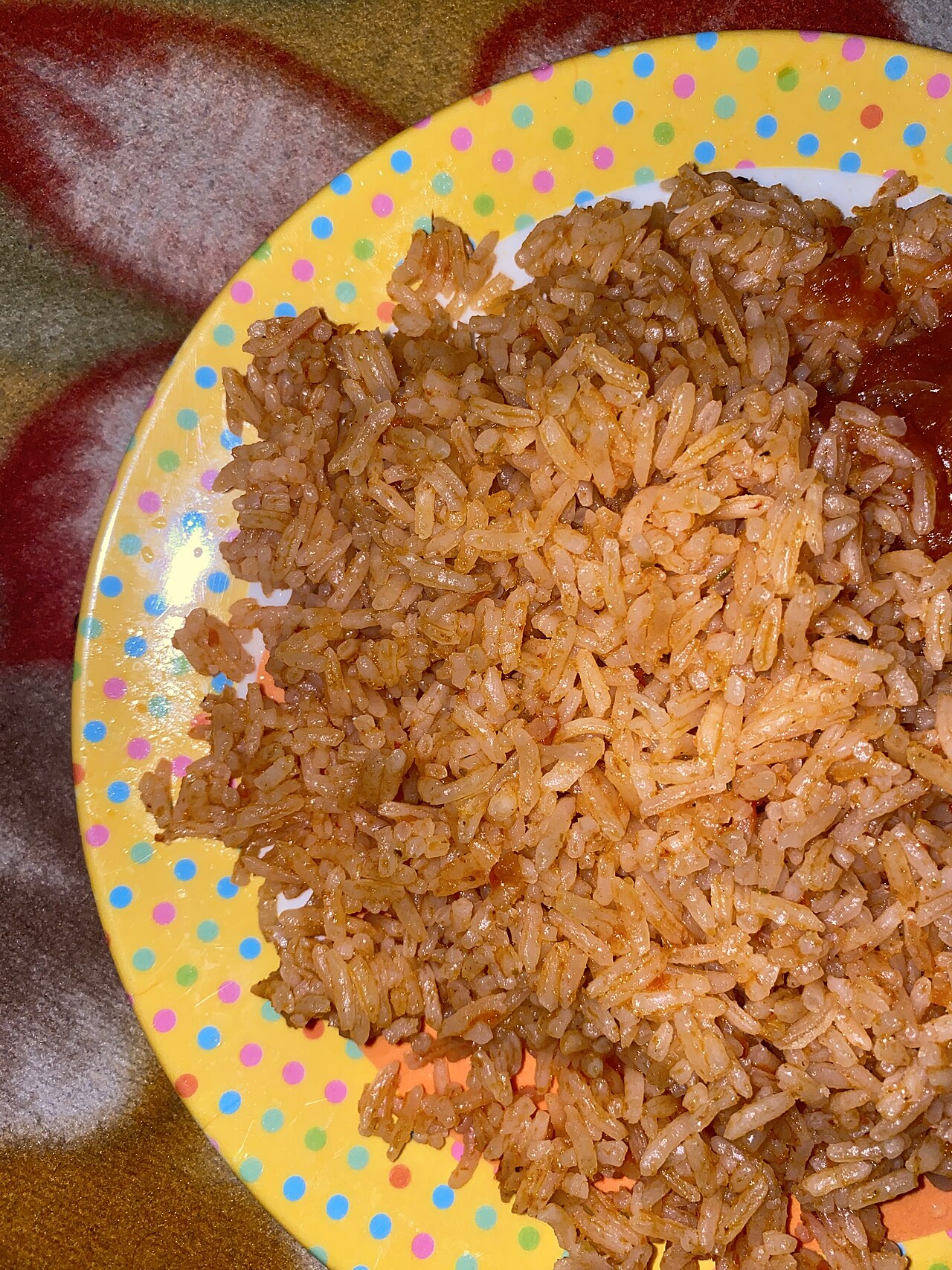
There is no single, universally accepted Jollof Rice recipe, and that is precisely the point. The dish is a canvas for identity, a culinary declaration of independence that sparks the most passionate debates from the bustling streets of Accra to the serene lagoons of Lagos. More than just a meal, Jollof rice is a cultural phenomenon, a staple at every wedding, birthday, and festive gathering across West Africa, and its preparation is a matter of deep, personal pride. This is not merely a guide to cooking rice; it is an exploration of history, a masterclass in layering flavor, and a respectful nod to the millions of home cooks and street vendors who have perfected this art over generations.
- The Origins: A History Etched in Grain
- The Ultimate Jollof Rice Recipe: A Masterclass in Layers
- The Great Debate: Ghanaian vs. Nigerian Jollof Rice Recipe
- Regional Variations: From Freetown to Banjul
- The Science of the Perfect Jollof
- Beyond the Recipe: Serving, Storing, and Celebrating
- Your Jollof, Your Story
The Origins: A History Etched in Grain
To understand any great Jollof Rice recipe, one must first understand its journey. The dish’s name is derived from the Wolof people (also known as Jolof or Djolof), who once ruled a powerful empire in present-day Senegal and the Gambia from the 13th to the 19th century. The original dish, thieboudienne (or ceebu jen in Wolof), was a one-pot meal of rice, fish, and vegetables, seasoned with tomatoes and chili. It was a practical, flavorful way to feed a community with available ingredients.
As trade routes expanded and the tomato, a New World crop, was enthusiastically adopted by West African cooks, the dish evolved. The fish was often replaced by meat—chicken, beef, or goat—and the spice profile adapted to local palates. The 20th century saw the rise of national identities, and with it, the Jollof Rice became a symbol of regional distinction. The Ghanaian version, for example, favors a smokier, less sweet profile, achieved by using a specific brand of canned tomatoes and cooking the rice in a groundnut oil-based stew. The Nigerian version, arguably the most widely known, is richer, more deeply red, and often includes a complex blend of curry powder, thyme, and bay leaves. The Senegalese thieboudienne remains the mother sauce, a testament to the dish’s long and storied lineage.
The Ultimate Jollof Rice Recipe: A Masterclass in Layers
This recipe is not a dogmatic decree. It is a blueprint, a starting point for your own culinary journey. It leans towards the “Nigerian party Jollof” style—deeply colored, aromatic, and impossibly flavorful—but the techniques are universal. The secret is in the reduction of the tomato base and the toasting of the rice. Do not rush these steps.
Ingredients: The Arsenal of Flavor
Quality ingredients are non-negotiable. This is not the time for pre-chopped, bland tomatoes. You need the real thing.
- The Rice: 4 cups of long-grain parboiled rice (e.g., Uncle Ben’s, Mama Gold, or a local brand). Parboiled rice is essential; it holds its shape and absorbs flavor without becoming mushy. Avoid basmati or jasmine, as they are too fragrant and delicate.
- The Tomato Base (The Soul): 6 large, ripe Roma tomatoes (or 4 large beefsteak tomatoes), 3 red bell peppers (tatashe), 2 scotch bonnet peppers (atarodo) — adjust to your heat tolerance, 1 large onion, and 3 cloves of garlic. Blend this mixture until smooth.
- The Stew Base (The Body): ½ cup of vegetable oil (or groundnut oil for a more authentic, nutty flavor), 1 large onion (sliced), 3 tablespoons of tomato paste (double-concentrated), 1 teaspoon each of curry powder and dried thyme, 2 bay leaves, 1 teaspoon of smoked paprika (for that signature color), 1 tablespoon of white pepper (or black pepper), and salt to taste.
- The Liquid: 2 cups of chicken or vegetable stock (preferably homemade, but quality cubes like Maggi or Knorr work well).
- The Aromatics & Add-ins: 1 cup of mixed vegetables (carrots, green peas, green beans), ½ cup of sliced red and green bell peppers, 1-2 tablespoons of butter (optional, but highly recommended for a glossy finish).
Step-by-Step: The Ritual of Cooking
Phase 1: The Reduction (The Most Important Step)
In a large, heavy-bottomed pot (a Dutch oven is ideal), heat the vegetable oil over medium heat. Add the sliced onion and sauté until translucent and fragrant, about 4-5 minutes. Do not brown it. Now, add the tomato paste and fry it in the oil for 2-3 minutes, stirring constantly. This “frying” of the paste removes its raw, acidic taste and deepens its flavor. Next, pour in the blended tomato and pepper mixture. Stir well. This is where patience begins. You must cook this mixture down, uncovered, over medium-high heat, stirring occasionally, until the water content has evaporated and the oil begins to separate and float on top. This can take 20-30 minutes. You will see the color change from a bright, watery red to a deep, rusty orange. The aroma will fill your kitchen. This is the foundation of your Jollof Rice recipe.
Phase 2: The Tempering
Once the oil has separated, add the curry powder, thyme, bay leaves, smoked paprika, and white pepper. Stir for another minute to bloom the spices. Then, add the chicken stock. Bring to a rolling boil. Taste the stew base now. It should be incredibly flavorful, slightly spicy, and well-salted. Remember, the rice will absorb a lot of this flavor, so it should be a little stronger than you think is necessary. A great Jollof is built on a base that is almost too delicious to resist.
Phase 3: The Rice Goes In
Wash the rice thoroughly in cold water until the water runs clear. This removes excess starch and prevents the rice from becoming sticky. Drain the rice completely. Add the washed rice to the boiling stew base. Stir gently to ensure every grain is coated. Reduce the heat to its lowest possible setting. Cover the pot tightly with a lid. If your lid isn’t tight, cover the pot with aluminum foil before putting the lid on. This traps the steam, which is crucial for even cooking. Do not stir the rice after this point. Stirring breaks the grains and releases starch, leading to porridge.
Phase 4: The Silent Cooking
Let the rice cook undisturbed for 25-30 minutes. Do not lift the lid. The steam is doing the work. After 25 minutes, check the rice. If the liquid has been absorbed but the rice is still slightly firm, add a splash of hot water (about ¼ cup) and continue cooking, covered, for another 5-10 minutes. If the liquid is gone and the rice is tender, you are nearly there. The ideal Jollof is fluffy, with each grain distinct, not clumpy.
Phase 5: The Finish (Party Jollof Style)
Once the rice is cooked, remove the lid. Turn off the heat. Add the butter (if using), the mixed vegetables, and the sliced bell peppers. Gently fold them into the rice with a fork. This is called “fluffing.” The residual heat will steam the vegetables, leaving them bright and crisp. Here is the secret to “party Jollof”: place the pot on a very low heat for an additional 5-10 minutes, allowing the bottom layer of rice to toast slightly. This creates a smoky, almost caramelized crust known as “sauce” or “bottom burn.” It is a delicacy. Serve immediately, or let it rest for 10 minutes for the flavors to meld.
The Great Debate: Ghanaian vs. Nigerian Jollof Rice Recipe
No discussion of a Jollof Rice recipe is complete without acknowledging the friendly (and sometimes fierce) rivalry between Ghana and Nigeria. Each nation claims to make the definitive version. While both share a common ancestry, the differences are distinct and rooted in local preferences and available ingredients.
| Feature | Nigerian Jollof | Ghanaian Jollof |
|---|---|---|
| Base Flavor | Richer, sweeter, and more “tomato-forward.” Often uses a generous amount of tomato paste and fresh tomatoes. | Smokier, more savory, and less sweet. Relies more on the natural acidity of fresh tomatoes and a longer cooking time for a charred effect. |
| Key Spices | Curry powder, thyme, white pepper, and sometimes nutmeg or bay leaves. A complex blend. | Ginger, garlic, onion powder, and often a specific “Jollof spice” mix. Simpler, more direct. |
| Rice Type | Almost exclusively long-grain parboiled rice (Mama Gold, Uncle Ben’s). | Often uses “Jasmine” or other aromatic long-grain rice, though parboiled is also common. |
| Cooking Method | Rice is cooked entirely in the stew base. The “party Jollof” method includes a final toasting step. | Often cooked in a separate pot and then combined, or cooked with a higher water-to-rice ratio for a softer texture. The “smoke” is achieved by cooking on a wood fire or adding a burnt onion. |
| Accompaniments | Fried plantains (dodo), fried chicken or turkey, coleslaw, and a side of stewed beans or fish. | Fried plantains (kelewele), grilled chicken or beef, shito (a spicy black pepper sauce), and a side of salad. |
The truth is, both are magnificent. The “best” version is simply the one you grew up with or the one that suits your palate. What unites them is the core principle: a deep, resonant flavor that celebrates the bounty of the region.
Regional Variations: From Freetown to Banjul
The Jollof Rice recipe is far from a two-nation story. Across the region, cooks add their own signature touches. In Sierra Leone, Jollof is often made with a generous amount of okra and crayfish powder, giving it a slightly slimy texture and a deep, umami flavor. In Liberia, the dish is frequently cooked with a mix of bitterball and jute leaves (e.g., molokhia), adding an earthy, vegetal note. In The Gambia, the Senegalese influence is strong, and the rice is often served with a whole, stuffed fish. In Côte d’Ivoire, riz gras is a close cousin, a rice dish cooked in a rich tomato and meat broth, often with aubergine and chou (cabbage).
These variations are not deviations; they are expressions of local agriculture and taste. A cook in Freetown might add palm oil for a distinctive red hue and earthy flavor. A cook in Ibadan might use locust beans (iru) for a fermented, savory depth. The adaptability of the dish is its greatest strength. It is a dish that listens to its environment.
The Science of the Perfect Jollof
Great Jollof is not just art; it is chemistry. Understanding a few key principles will elevate your cooking.
- The Maillard Reaction: This is the browning that occurs when proteins and sugars are exposed to heat. Frying the tomato paste and onions before adding liquid creates a deep, savory base. The same principle applies to the final toasting step.
- Gelatinization of Starch: Rice contains two types of starch: amylose and amylopectin. Parboiled rice has a higher amylose content, which means it absorbs liquid without becoming sticky. Washing the rice removes surface amylopectin, further preventing mushiness.
- Acidity Balance: Tomatoes are acidic. Too much acid can make the dish taste sharp. The addition of a small pinch of baking soda (about ¼ teaspoon) can neutralize the acidity and deepen the color. Some cooks add a stock cube for its glutamates, which enhance savory flavor.
- Steam Trapping: The tight-fitting lid is not optional. It creates a pressure-cooker effect, ensuring the rice cooks evenly and absorbs all the liquid. Lifting the lid releases steam and disrupts the cooking process.
Beyond the Recipe: Serving, Storing, and Celebrating
Jollof rice is a communal dish. It is meant to be shared. In a traditional setting, it is served on a large platter, often with the meat arranged on top. Everyone gathers around, eating with their hands (the right hand, traditionally). This is not just a practical matter; it enhances the sensory experience, connecting you directly to the food.
Cold Jollof is a treasure. Leftovers, when fried in a little oil the next day, become a completely new dish—crispy, caramelized, and even more flavorful. It is perfect for breakfast or a quick lunch. You can also freeze Jollof rice for up to three months. To reheat, add a splash of water and steam it in a pot or microwave.
The dish is so central to West African life that it has spawned its own culture. The #JollofRice hashtag on social media is a battleground of culinary pride. In 2014, a BBC World Service article titled “Jollof rice: A West African culinary battlefield” perfectly captured this spirit. The dish is a source of joy, a conversation starter, and a powerful symbol of home for the diaspora. It is a taste of celebration, a nostalgic comfort, and a vibrant expression of a continent’s enduring creativity and warmth.
Your Jollof, Your Story
This Jollof Rice recipe is a guide, not a commandment. The real secret is to cook with confidence, taste as you go, and make it your own. Do not be afraid to add a little more pepper, a splash of coconut milk for richness, or a handful of chopped spinach for color. The best Jollof is the one that reminds you of home, or the one you create to share with your own family. As the great Nigerian chef and author, Ozoz Sokoh, often reminds us, the kitchen is a place of experimentation. So, gather your ingredients, put on some Afrobeats, and let the magic happen. The pot of Jollof you create will be more than just a meal; it will be a story of history, culture, and the simple, profound joy of good food shared with the people you love. Now, go and make your pot. The world is waiting to taste it.