📅 Last updated: 05.09.2026
Perched on a granite outcrop in the southeastern hills of modern-day Zimbabwe, the Great Zimbabwe ruins are not merely a collection of ancient stone walls; they are the enduring, soul-stirring testament to a sophisticated African civilization that thrived between the 11th and 15th centuries. This sprawling complex, once the capital of a powerful kingdom controlling the gold and ivory trade routes between the interior and the Indian Ocean coast, challenges outdated colonial narratives and stands as a proud monument to African architectural genius and economic prowess. To walk among its towering, mortarless walls is to step into a past where Africa was not a passive recipient of history, but a vibrant, dynamic creator of it.
- The Enigma of the Stones: An Architectural Marvel
- A Timeline of Great Zimbabwe Ruins: From Rise to Abandonment
- The Economic Engine: Gold, Ivory, and the Indian Ocean Trade
- Society and Culture: The People of the Stone City
- Debunking the Myths: Reclaiming an African Heritage
- Visiting the Great Zimbabwe Ruins Today: A Journey Through Time
- Preservation and the Future of the Great Zimbabwe Ruins
- Conclusion: A Legacy Written in Stone
The Enigma of the Stones: An Architectural Marvel
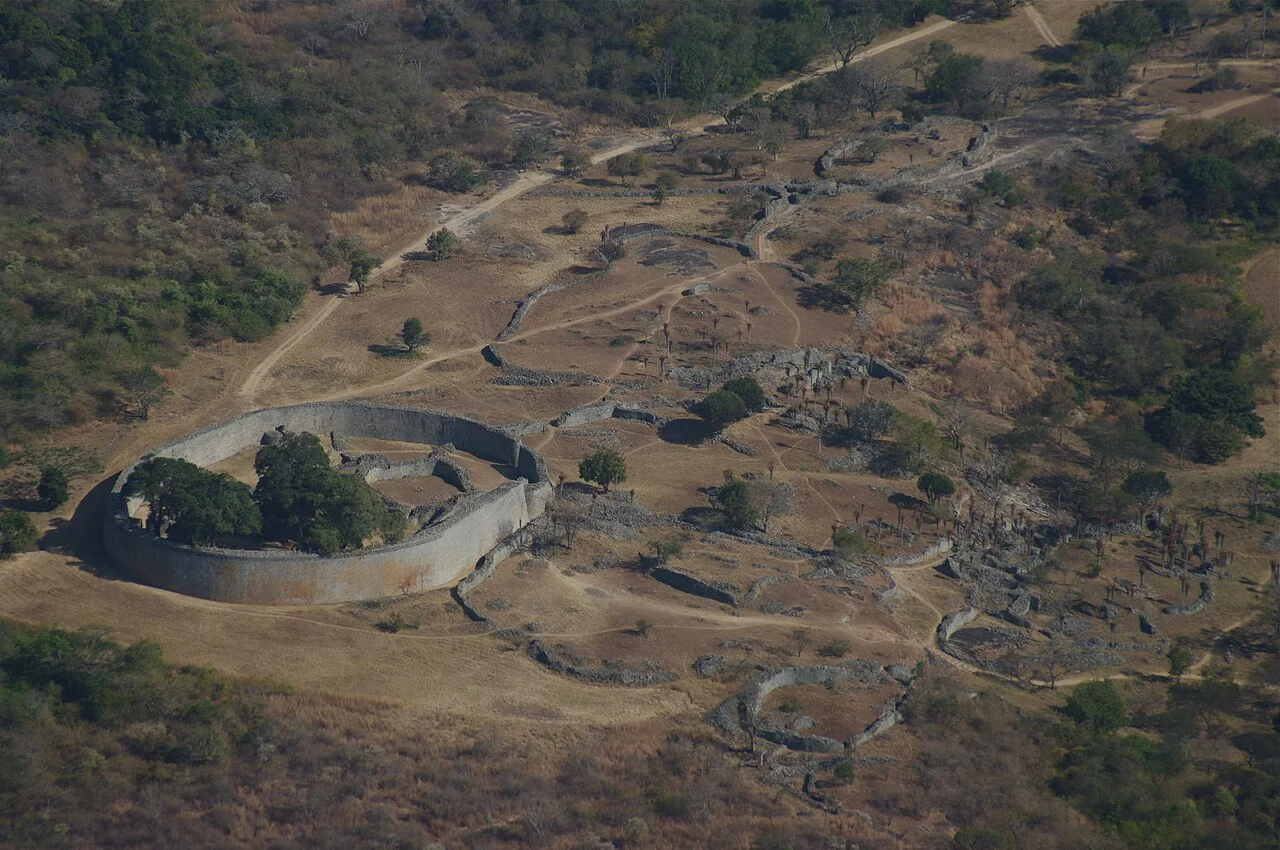
The sheer scale of the Great Zimbabwe ruins is the first thing that strikes any visitor. Covering an area of nearly 1,800 acres, it is the largest ancient stone structure in sub-Saharan Africa south of the Sahara, a fact that baffled early European explorers who could not reconcile its grandeur with their prejudiced views of African capabilities. The site is traditionally divided into three main architectural groups: the Hill Complex, the Great Enclosure, and the Valley Ruins, each offering a unique glimpse into the lives of its inhabitants.
The Hill Complex: The Spiritual and Political Apex
Dominating the landscape, the Hill Complex is the oldest part of the settlement, perched dramatically on a granite kopje. This was the royal city, the seat of power for the monarchs who ruled the kingdom. Its labyrinthine passages and natural granite boulders integrated into the walls create a formidable and mystical atmosphere. Archaeologists believe this was not just a royal residence but also a primary religious and ritual center, a place where the king, believed to be a divine intermediary between the people and their ancestors, would communicate with the spiritual world. The discovery of six carved soapstone birds, now the national emblem of Zimbabwe, within this complex underscores its profound ceremonial importance. These birds, unique to the site, are thought to represent the connection between the earthly realm of the king and the spiritual realm of the ancestors, serving as powerful totems of the ruling dynasty.
The Great Enclosure: A Monument to Majesty
Descending from the hill, one encounters the most iconic and awe-inspiring structure at the Great Zimbabwe ruins: the Great Enclosure. This is the largest single ancient structure in sub-Saharan Africa, its outer wall stretching over 800 feet and standing up to 36 feet high. Constructed with an estimated 15,000 tons of granite blocks, its most remarkable feature is the fact that it was built with no mortar whatsoever. The walls are a masterpiece of dry-stone engineering, with perfectly fitted stones that have withstood centuries of weather, earthquakes, and the passage of time.
Within the Great Enclosure lies the famous Conical Tower, a solid, tapering structure that rises over 30 feet. Its purpose remains a mystery, with theories ranging from a symbolic representation of a grain store (a symbol of royal power and wealth) to a phallic fertility symbol. The sheer scale of this enclosure suggests it was not a simple dwelling but a ceremonial space, possibly used for the initiation of young men or as a grand stage for public rituals. The precision and effort involved in its construction are a powerful testament to the organizational skills and immense labor force commanded by the kingdom’s rulers.
The Valley Ruins: A Hub of Daily Life
Spread across the valley floor between the Hill and the Great Enclosure are the Valley Ruins, a dense collection of daga (earth) and stone structures that housed the kingdom’s elite and a large portion of its population. This was the bustling heart of the city, where artisans, traders, and commoners lived and worked. The presence of numerous hearths, grinding stones, and pottery shards paints a picture of vibrant domestic life. It was here that the daily rhythms of the capital played out, in a city that, at its peak in the 14th century, may have been home to as many as 18,000 people, making it one of the largest cities in the world at that time.
A Timeline of Great Zimbabwe Ruins: From Rise to Abandonment
Understanding the chronology of the Great Zimbabwe ruins is crucial to appreciating its historical significance. The site was not a static monument but a living, evolving city that rose and fell with the tides of trade and political power. The following table provides a concise overview of its key phases:
| Period (Approx.) | Phase | Key Characteristics & Developments |
|---|---|---|
| c. 1000 – 1200 CE | Early Settlement | Initial occupation of the Hill Complex by the ancestors of the Shona people. Small-scale iron-working and agriculture. |
| c. 1200 – 1450 CE | Golden Age & Expansion | Rise of a powerful kingdom. Construction of the Great Enclosure and extensive Valley Ruins. Peak of the gold and ivory trade. |
| c. 1450 – 1550 CE | Decline & Abandonment | Gradual decline due to political shifts, trade route changes, and possible resource depletion. The city is largely abandoned. |
| 19th – 20th Century | Colonial Era & Reclaiming | European explorers and colonizers attempt to attribute the site to non-African origins. Later, African scholars and archaeologists reclaim its history. Declared a UNESCO World Heritage Site in 1986. |
This timeline reveals that the Great Zimbabwe ruins were not a fleeting phenomenon but a major power center for over three centuries. Its influence was deeply felt across Southern Africa, connecting the mineral wealth of the interior to the cosmopolitan trade networks of the Swahili Coast, a connection that would fundamentally shape the region’s history.
The Economic Engine: Gold, Ivory, and the Indian Ocean Trade
The prosperity that built the Great Zimbabwe ruins was not born of isolation. It was fueled by a sophisticated and far-reaching trade network that linked this inland empire to the bustling ports of the Indian Ocean. The kingdom sat on vast gold deposits, and its rulers controlled the extraction and trade of this precious metal, along with ivory from the region’s abundant elephant population. These commodities were traded down the Save and Limpopo rivers to Swahili coastal city-states like Kilwa Kisiwani, Sofala, and Chibuene.
In exchange for gold and ivory, the people of Great Zimbabwe received exotic luxury goods that signified their elite status. Archaeological excavations have unearthed a fascinating array of imported objects, including:
- Chinese celadon porcelain from the Yuan and Ming dynasties, a clear indicator of the long reach of their trade connections.
- Persian faience and earthenware bowls, showing links to the Islamic world.
- Glass beads from various parts of Asia and the Middle East, which were used for adornment and as a form of currency.
- Cotton cloth from India, a highly prized luxury item.
This was not a one-way exchange. The people of Great Zimbabwe were discerning traders who controlled the supply of their high-value resources, dictating terms to their coastal partners. The wealth accumulated from this trade financed the construction of the massive stone structures we see today and supported a large, non-agricultural population of artisans, priests, and administrators. This economic sophistication is a critical piece of the story, demonstrating that pre-colonial Africa was a full participant in global commerce, with complex systems of production, exchange, and value.
Society and Culture: The People of the Stone City
Who were the people who built and inhabited this magnificent city? The overwhelming evidence points to the ancestors of the modern-day Shona people, who still live in the region today. The name “Zimbabwe” itself is derived from the Shona term “Dzimba dza mabwe,” meaning “houses of stone.” This cultural continuity is a powerful and direct link between the ancient past and the vibrant present.
The society was highly stratified, with a powerful king at its apex, supported by a class of nobles and a large population of commoners. The king’s power was believed to be divinely sanctioned, and he was the central figure in a complex system of religious beliefs that venerated ancestors and the spirits of the land. The famous Zimbabwe Birds, carved from soapstone, are the most iconic artifacts of this spiritual world. These birds, with their human-like lips and bird-like bodies, are thought to have served as royal totems, acting as intermediaries between the living world and the spiritual realm. They are a symbol of the king’s authority and his connection to the divine.
Daily life for the common people involved agriculture, with the fertile soils of the region supporting crops like sorghum, millet, and groundnuts. They also herded cattle, which were a crucial measure of wealth and status. The city was a center for skilled crafts, including:
- Iron-working: Smiths created tools, weapons, and intricate iron ornaments.
- Pottery-making: Distinctive pottery styles, from utilitarian cooking pots to intricately decorated ceremonial vessels, were produced.
- Gold-smithing: Artisans created beautiful gold jewelry and ornaments, some of which were traded and some reserved for the elite.
- Soapstone carving: The creation of the famous birds and other ritual objects.
The city was a melting pot of ideas and people, a bustling metropolis where the sounds of artisans, the lowing of cattle, and the chatter of traders would have filled the air. It was a vibrant, dynamic society with its own complex social structures, artistic traditions, and belief systems.
Debunking the Myths: Reclaiming an African Heritage
The history of the Great Zimbabwe ruins is not just a story of its ancient builders; it is also a story of how colonialism sought to erase that very history. When European explorers and colonizers first encountered the site in the late 19th century, they were profoundly disturbed by its implications. The sophisticated stone architecture was simply too impressive to be the work of “natives,” according to their deeply racist worldview. This cognitive dissonance gave rise to a series of outlandish myths that attempted to attribute the site to non-African origins.
These theories were championed by figures like Cecil John Rhodes, the British imperialist whose colony, Rhodesia, was named after him. The myths included:
- The site was built by the Queen of Sheba, as a replica of her legendary palace.
- It was constructed by Phoenician or Egyptian traders who had sailed down the coast of Africa.
- It was the work of Arab or Indian colonists who had migrated inland.
These fabrications were not simply academic errors; they were politically motivated. If the site was not built by Africans, then the white colonizers could claim that they were not subjugating a people with a glorious past, but rather bringing civilization to a land that had always been primitive. The myth was used to justify the theft of land and the brutal systems of racial segregation that followed.
Correcting the Record
The truth, however, was never fully suppressed. Early archaeologists and anthropologists, including the pioneering archaeologist Gertrude Caton-Thompson, conducted systematic excavations in the 1920s and 1930s. Her work definitively proved that the site was of African origin, constructed by the ancestors of the Shona people. Despite this clear evidence, the colonial government of Rhodesia actively suppressed these findings for decades, continuing to promote the fictional narratives that suited their political agenda.
It was only after Zimbabwe’s independence in 1980 that the full history of the Great Zimbabwe ruins was formally reclaimed and celebrated. The new nation, led by Prime Minister Robert Mugabe, chose the Zimbabwe Bird as a national symbol, placing it on the national flag and coat of arms. The country itself was named after this ancient city, a powerful act of reclaiming a pre-colonial African identity and heritage. Today, the site is a symbol of national pride and a UNESCO World Heritage Site, where visitors from around the world can learn the true, remarkable story of its African origins.
Visiting the Great Zimbabwe Ruins Today: A Journey Through Time
For the traveler with a passion for history and culture, a visit to the Great Zimbabwe ruins is an unforgettable experience. Located near the modern town of Masvingo, about 280 kilometers south of Harare, the site is easily accessible by road. The journey is a scenic drive through the rolling, granite-studded hills of the Masvingo Province, a landscape that feels ancient and powerful in its own right.
As you walk through the entrance, the sheer scale of the walls is breathtaking. The site is not a museum piece; it is a place to be explored, climbed, and felt.
- Explore the Hill Complex: A steep climb rewards you with panoramic views of the entire valley. You can wander through the ancient passages, see the natural boulders that were incorporated into the royal palace, and imagine the king holding court in this elevated sanctuary.
- Walk the Great Enclosure: Walking along the massive outer wall is a humbling experience. You can enter the enclosure and stand in the shadow of the mysterious Conical Tower, pondering its purpose as countless others have done before you.
- Wander the Valley Ruins: This area is less crowded and allows for a more peaceful contemplation of daily life in the ancient city. You can see the foundations of hundreds of homes and get a sense of the city’s vast population.
- Visit the Site Museum: Before or after exploring the ruins, the museum is an essential stop. It houses a fascinating collection of artifacts, including some of the original soapstone birds, pottery, and imported trade goods that tell the story of the city’s rise and fall.
Guides are available for hire at the site, and their local knowledge and historical insight add immense value to the experience. They can point out subtle details, such as the chevron and herringbone patterns woven into the stone walls, and share local legends and stories that bring the site to life. A visit here is not just a trip to see old stones; it is a profound connection to a sophisticated civilization that helped shape the African continent.
Preservation and the Future of the Great Zimbabwe Ruins
As a monument of global significance, the preservation of the Great Zimbabwe ruins is a complex and ongoing challenge. The site faces a number of threats, both natural and human-induced, that require careful management to ensure its survival for future generations.
One of the primary challenges is the natural erosion of the granite walls. While the dry-stone construction has proven remarkably resilient, centuries of weathering and the growth of vegetation can destabilize the structures. Conservation efforts must carefully balance the need to maintain the site’s historical integrity with the need to prevent further decay. This involves regular monitoring, the careful removal of damaging vegetation, and, in some cases, the painstaking restoration of collapsed sections using traditional techniques.
Another significant pressure comes from tourism itself. While tourism provides vital revenue for the site’s upkeep and the local economy, the sheer number of visitors can accelerate wear and tear on the ancient walkways and walls. Managing visitor flows, creating designated paths, and enforcing regulations are crucial aspects of sustainable tourism management. The site also faces challenges from encroachment by modern settlements and the ever-present threat of vandalism or looting, which requires constant security and community engagement.
Looking to the future, the vision for the Great Zimbabwe ruins is one of dynamic preservation. This goes beyond simply “freezing” the site in time. It involves:
- Community Involvement: Engaging local communities in the site’s management and ensuring they benefit economically from tourism is vital for its long-term protection. When local people are stakeholders in the site’s success, they become its most powerful guardians.
- Education and Interpretation: Developing richer, more nuanced interpretive experiences for visitors is key. This includes highlighting the latest archaeological research and presenting the site’s history from an African perspective, free from colonial bias.
- Sustainable Tourism: Implementing eco-friendly practices, such as waste management and water conservation, and limiting visitor numbers in sensitive areas will help reduce the site’s environmental footprint.
- Digital Preservation: Using cutting-edge technology like 3D scanning and digital mapping to create a detailed record of the site can aid in conservation efforts and allow for virtual access for those who cannot travel to Zimbabwe.
The Great Zimbabwe ruins are not a relic of a dead past. They are a living cultural landscape, a source of identity and inspiration for a modern nation, and a vital piece of humanity’s shared heritage. The work of preserving them is a continuous act of respect for that heritage.
Conclusion: A Legacy Written in Stone
The Great Zimbabwe ruins are far more than an archaeological site; they are a powerful, enduring narrative of African achievement. They stand as a grand rebuttal to any notion that Africa’s history began with colonialism, showcasing instead a sophisticated, wealthy, and influential civilization that flourished at the heart of the continent for centuries. The skill of its unknown architects, the vision of its powerful kings, and the vibrant life of its thousands of inhabitants are all etched into the granite walls that still rise against the African sky.
To stand before the Great Enclosure is to witness the strength and permanence of African heritage. Its story is one of innovation, global trade, complex spirituality, and immense organizational power. It is a story that was deliberately distorted and suppressed, but which has been triumphantly reclaimed as a cornerstone of national and continental identity. For the modern visitor, the Great Zimbabwe ruins offer an unforgettable journey to a time when Africa was a center of the world, a place of daring ideas and monumental construction. It is a legacy written in stone, but its message is timeless, inspiring a profound respect for the ingenuity and resilience of the human spirit, and reminding us that the story of Africa is a story for all of humanity. As you leave the silent stones behind, you carry with you a new understanding of a continent’s glorious past and a profound hope for its vibrant future. The ancient city may be silent, but its walls speak volumes to all who are willing to listen.