📅 Last updated: 05.09.2026
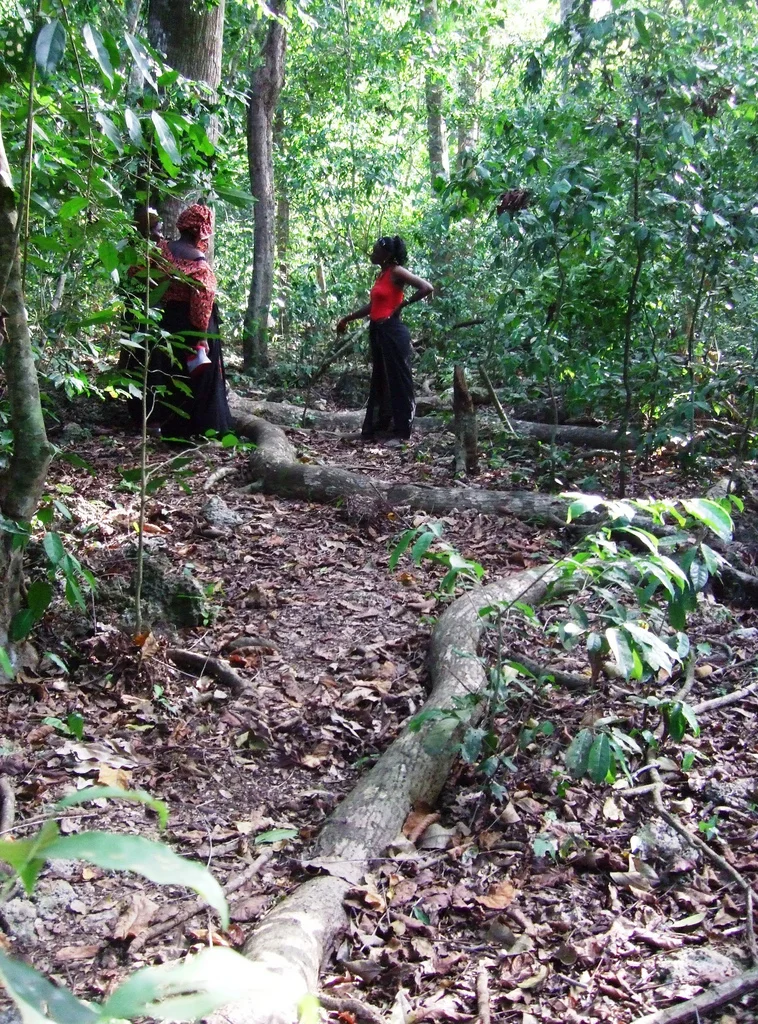
Kaya forests, the sacred coastal groves of the Mijikenda people, are not just clusters of ancient trees but living libraries of history, spirituality, and ecological wisdom that have survived for centuries against remarkable odds. Scattered like emerald jewels across the rolling hills of Kenya’s southeastern coastline, from the border with Tanzania up to the Tana River, these forest patches are the last remnants of what was once an unbroken canopy of lowland tropical forest stretching along the Indian Ocean littoral. To walk into a kaya is to step through a portal into a world where the mundane and the spiritual intertwine, where the rustle of leaves carries the weight of ancestral voices, and where every root, stone, and clearing tells a story of migration, resilience, and adaptation.
- Sacred Geography: The Physical and Spiritual Landscape of the Kaya Forests
- Guardians of the Forest: The Role of Elders and Traditional Governance
- From Sacred Groves to World Heritage: The Journey to Recognition
- Biodiversity in the Balance: Ecological Significance and Conservation Challenges
- Modern Challenges and Innovative Responses: Community, Conservation, and Development
- Cultural Resilience and Spiritual Renewal: The Kaya in Contemporary Mijikenda Life
- Looking Forward: The Future of the Kaya Forests in a Changing World
- Ancestral Wisdom for a Sustainable Future
The word kaya itself derives from the Mijikenda term for “home” or “homestead,” yet these forests represent something far more profound than a physical dwelling place. They are the spiritual nuclei of the nine Mijikenda sub-tribes — the Giriama, Digo, Duruma, Rabai, Ribe, Kambe, Jibana, Chonyi, and Kauma — each of which established its own fortified settlement within a forest clearing centuries ago. When the Mijikenda migrated southward from the legendary land of Singwaya (believed to be in present-day Somalia) between the 16th and 17th centuries, they sought refuge from conflicts and pressures that threatened their existence. The dense coastal forests offered both physical protection and spiritual sanctuary, and within these green fortresses, they built their first homes, buried their elders, and conducted the rituals that bound their communities together.
Today, the Kaya forests stand as a testament to the enduring power of cultural practice in the face of modernization, urbanization, and environmental degradation. Recognized collectively as a UNESCO World Heritage Site in 2008, the eleven most significant kaya forests represent a unique fusion of tangible and intangible heritage — a place where biodiversity conservation and cultural preservation are inextricably linked. Yet their story is not merely one of the past; it is an ongoing narrative of struggle, adaptation, and hope that continues to unfold as new generations of Mijikenda and other Kenyans work to keep these sacred groves alive.
Sacred Geography: The Physical and Spiritual Landscape of the Kaya Forests
The Kaya forests are not uniform in their composition or character, each possessing its own unique ecological signature shaped by local soil conditions, rainfall patterns, and historical management practices. What unites them is their location on the coastal hinterland, typically on ridge tops or gentle slopes between five and fifty kilometers inland from the ocean. These positions were strategic choices made by the original settlers, offering defensive advantages and access to both forest resources and agricultural land. The forests range in size from less than one hectare at Kaya Fungo to over 400 hectares at Kaya Gandini, though most occupy between 100 and 300 hectares of what remains of the original forest cover.
Ecologically, these groves are treasure troves of biodiversity. They harbor species that have become exceedingly rare in the wider coastal landscape, including the endangered Cynometra suaheliensis, a tree species endemic to the East African coastal forests, and the magnificent Afzelia quanzensis, valued for its beautiful hardwood. The forests provide habitat for a remarkable array of fauna, including the Angolan black-and-white colobus monkey (Colobus angolensis palliatus), the endangered Ader’s duiker (Cephalophus adersi), and over 200 species of birds, many of which are coastal forest endemics. The golden-rumped elephant shrew (Rhynchocyon chrysopygus), a peculiar insectivorous mammal found only in the forests of the Kenyan coast, scurries through the leaf litter of these groves, its presence a marker of the health and antiquity of the ecosystem.
But to understand these forests solely through an ecological lens would be to miss their essential character. The physical landscape of a kaya is organized around a series of clearings and zones, each with specific spiritual significance. At the heart of every kaya lies the fingo, a sacred place where powerful charms and medicines were buried by the founding elders to protect the community. The fingo is not a physical structure but a locus of spiritual energy, often marked by a particular tree or arrangement of stones. Surrounding this core is the moro, the main ritual area where ceremonies and sacrifices take place, and beyond that, the areas where the dead are buried. The outermost zones were historically used for habitation and everyday activities. This spatial hierarchy reflects a deep cosmology in which the forest is not merely a resource to be exploited but a sacred entity with which the community maintains a reciprocal relationship.
The Nine Pillars: Understanding Mijikenda Sub-Tribes and Their Kaya
The nine Mijikenda sub-tribes each maintain a relationship with one or more specific kaya forests, though the exact number and classification of these sites has been a matter of scholarly and cultural debate. The most commonly recognized primary kayas include:
- Kaya Giriama — associated with the Giriama people, the largest Mijikenda sub-tribe, and located near the coastal town of Malindi. The Giriama were historically the most resistant to colonial rule, and their kaya played a central role in the Giriama Rebellion of 1913-1914.
- Kaya Digo — linked to the Digo people, who inhabit the southernmost part of the coast near the Tanzanian border. The Digo have maintained particularly strong forest conservation traditions.
- Kaya Duruma — tied to the Duruma people of the southern coastal hinterland, whose kaya sites include Kaya Kinondo and Kaya Muhaka.
- Kaya Rabai — associated with the Rabai people, notable as the site where the first Christian mission was established in Kenya in 1846 by Johann Ludwig Krapf.
- Kaya Ribe, Kaya Kambe, Kaya Jibana, Kaya Chonyi, and Kaya Kauma — each linked to their namesake sub-tribes, with varying degrees of forest preservation and cultural vitality.
Beyond these primary associations, there are dozens of smaller kaya sites that hold significance for particular clans or families within the broader Mijikenda identity. Some estimates suggest that there were once more than 100 distinct kaya settlements, though many have been completely deforested or built over in the rush of coastal development. The fact that even a fraction of these sites survive is a testament to the tenacity of cultural traditions and the foresight of elders who recognized the need to protect these sacred spaces.
Guardians of the Forest: The Role of Elders and Traditional Governance
At the heart of the Kaya forests’ survival has been a sophisticated system of traditional governance that has evolved over centuries. Each kaya is overseen by a council of elders known as the ngambi, composed of men and women who have been initiated into the secret knowledge of the forest and who hold the authority to regulate access to sacred areas and to enforce customary laws regarding resource use. These elders are not merely symbolic figures; they exercise real power over the management of the forest, determining when and how certain activities may take place, adjudicating disputes, and performing the rituals that maintain the spiritual health of the community and the forest.
The governance structure is hierarchical and complex. At the apex is the Mwachofi wa Kaya or Mwachofi wa Fingo, the senior elder who serves as the custodian of the kaya’s most sacred secrets and who presides over the most important ceremonies. Below him are various categories of elders, each with specific responsibilities: the akambi who manage the daily affairs of the kaya, the atsi who are responsible for the burial rites, and the meku who serve as the spiritual intermediaries between the living and the ancestors. Women, while often excluded from the highest levels of formal authority, play crucial roles in the ritual life of the kaya, particularly in ceremonies related to fertility, healing, and the initiation of young women.
This traditional governance system has faced significant challenges in the modern era. The authority of elders has been eroded by the forces of urbanization, formal education, religious conversion, and the legal framework of the Kenyan state, which historically did not recognize customary land tenure or traditional governance institutions. Young people, drawn to the economic opportunities of Mombasa and other coastal towns, have often viewed the kaya traditions as backward and irrelevant to their aspirations. Yet remarkably, the elders have proven adaptable, finding ways to maintain their relevance and to forge alliances with external actors—conservation organizations, government agencies, and academic researchers—who recognize the value of what they protect.
From Sacred Groves to World Heritage: The Journey to Recognition
The path to international recognition of the Kaya forests was neither straightforward nor without controversy. Conservationists and researchers had long noted the ecological significance of these forest patches, but it was the work of Kenyan scientists and cultural heritage specialists in the 1990s that brought their combined natural and cultural value to wider attention. The National Museums of Kenya, under the leadership of researchers like Dr. Justin K. K. Githaiga and Dr. Nadia Wamai, conducted systematic surveys of the kaya sites, documenting their biodiversity, their cultural significance, and the threats they faced.
In 1992, the Kenyan government declared several kaya forests as national monuments under the Antiquities and Monuments Act, providing them with legal protection under national heritage law. This was a significant step, as it recognized that these sites were not merely natural features but cultural landscapes of national importance. Subsequent efforts focused on expanding this protection and on developing management plans that respected both conservation principles and the rights of local communities.
The culmination of these efforts came in 2008 when the UNESCO World Heritage Committee inscribed the “Sacred Mijikenda Kaya Forests” on the World Heritage List. The nomination dossier argued that these forests represented an exceptional example of a cultural landscape that demonstrated the interaction between a community and its environment, and that they fulfilled both cultural and natural criteria for World Heritage status. The listing covered eleven individual kaya sites: Kaya Giriama, Kaya Jibana, Kaya Kambe, Kaya Kauma, Kaya Ribe, Kaya Chonyi, Kaya Duruma, Kaya Kinondo, Kaya Muhaka, Kaya Fungo, and Kaya Gandini. This recognition brought international attention and funding to the conservation efforts but also raised complex questions about sovereignty, access, and the commodification of sacred spaces.
Biodiversity in the Balance: Ecological Significance and Conservation Challenges
The ecological importance of the Kaya forests extends far beyond their relatively modest size. These groves are part of the Eastern Arc Mountains and Coastal Forests of Kenya and Tanzania biodiversity hotspot, one of the most biologically important and threatened ecosystems on Earth. The coastal forests of East Africa have been reduced to less than 10% of their original extent, and the kaya forests represent some of the best-preserved remnants of this habitat type. Within their boundaries, scientists have documented an extraordinary level of endemism—species found nowhere else on Earth—including several species of trees, shrubs, and butterflies that have yet to be formally described to science.
The conservation challenges facing the Kaya forests are multifaceted and interconnected. Perhaps the most immediate threat comes from the conversion of forest land for agriculture and settlement. As the population of the Kenyan coast has grown dramatically—Mombasa County alone has seen its population increase from approximately 400,000 in 1969 to over 1.2 million today—pressure on land has intensified. Cashew nut plantations, coconut groves, and increasingly, large-scale commercial agriculture have encroached on forest boundaries, while informal settlements have crept up to the edges of even the most sacred sites.
Timber extraction and charcoal production represent another significant threat. Despite the customary laws that prohibit cutting trees within kaya boundaries, the economic imperative for poor households to generate income from the sale of timber and charcoal has led to illegal logging in some sites. The problem is exacerbated by the fact that many of the tree species found in the kaya forests, such as Dalbergia melanoxylon (African blackwood) and Pterocarpus angolensis, command high prices in international markets for use in musical instruments and fine furniture.
Perhaps less visible but equally damaging is the gradual degradation of forest health through the extraction of non-timber forest products. The collection of medicinal plants, honey, and building materials, while traditionally regulated by the elders, has intensified as traditional governance has weakened and commercial markets for these products have expanded. The introduction of invasive species, both plant and animal, has also disrupted forest ecosystems, with species such as the exotic Lantana camara and the black rat (Rattus rattus) altering the ecological dynamics of the groves.
A Comparative Look: The Kaya Forests in Regional Context
To fully appreciate the significance of the Kaya forests, it is useful to consider them in the context of other sacred groves and traditional conservation systems across Africa. The following table provides a comparative overview:
| Sacred Forest Site | Location | Associated People | Approximate Size | Key Characteristics |
|---|---|---|---|---|
| Kaya Forests (11 UNESCO sites) | Kenyan Coast | Mijikenda sub-tribes | 1–400 ha each | Fortified settlements, fingo burial sites, living elder governance |
| Osun-Osogbo Sacred Grove | Osogbo, Nigeria | Yoruba people | 75 ha | Dedicated to the goddess Osun, UNESCO-listed, annual festival |
| Sacred Forests of the Kaya Kinondo | Kwale County, Kenya | Digo people | ~30 ha | One of the most intensively studied kaya sites |
| Mijikenda Sacred Mijikenda Kaya Forests (as a group) | Kilifi and Kwale Counties | All nine Mijikenda groups | ~1600 ha total | UNESCO-recognized, combining natural and cultural heritage |
| Ankasa Conservation Area | Western Ghana | Nzema people | ~50,900 ha | Contains sacred groves within a larger national park |
This comparison reveals both similarities and differences in how African communities have traditionally managed sacred forests. Like the Kaya forests, the Osun-Osogbo grove represents a fusion of spiritual practice and biodiversity conservation, though its scale and cultural context differ significantly. The Ankasa Conservation Area demonstrates that sacred groves can be embedded within larger protected areas, offering lessons for how the Kaya forests might be integrated into broader landscape-scale conservation initiatives.
Modern Challenges and Innovative Responses: Community, Conservation, and Development
The 21st century has brought both new challenges and new opportunities for the Kaya forests. Climate change poses an existential threat, with rising temperatures, changing rainfall patterns, and increased frequency of extreme weather events all affecting forest health. The 2019-2020 locust invasion that devastated parts of East Africa also impacted coastal forests, while prolonged droughts have increased the risk of fire. Sea-level rise threatens to alter the hydrology of coastal areas, potentially affecting the water table that sustains these forests.
At the same time, there has been a remarkable resurgence of interest in the Kaya forests among younger generations of Mijikenda and other Kenyans. This renaissance has been driven by several factors: the growing recognition of the importance of traditional ecological knowledge in addressing environmental challenges, the pride in cultural heritage fostered by the UNESCO listing, and the economic opportunities presented by cultural and eco-tourism. Young entrepreneurs have begun offering guided tours of kaya sites, combining storytelling about Mijikenda history with education about biodiversity conservation. Social media has played a role in this revival, with Instagram and TikTok posts showcasing the beauty of these forests and the richness of the cultural traditions associated with them.
Innovative conservation initiatives have emerged that seek to bridge the gap between traditional governance and modern legal frameworks. The Kaya Kinondo Eco-tourism Project, established in 2001 with support from the Kenya Wildlife Service and various NGOs, represents a pioneering model of community-based conservation. The project established a trust that manages the kaya site, distributes tourism revenues among local community members, and supports alternative livelihoods such as beekeeping and butterfly farming that reduce pressure on forest resources. The success of this model has inspired similar initiatives at other kaya sites, though challenges remain in ensuring equitable benefit-sharing and maintaining the spiritual integrity of these sacred places in the face of commercialization.
The role of women in kaya conservation has also evolved significantly. While historically excluded from many ritual roles, women have become increasingly prominent as advocates for forest protection, often drawing on their traditional knowledge of medicinal plants and their roles as primary caregivers and agricultural producers. Women’s groups have been instrumental in establishing tree nurseries, promoting sustainable fuelwood alternatives, and educating children about the cultural and ecological importance of the kaya forests. This gender dimension adds an important layer of complexity to the governance of these sites, challenging assumptions about who holds authority and how decisions should be made.
Cultural Resilience and Spiritual Renewal: The Kaya in Contemporary Mijikenda Life
Despite the pressures of modernization and the spread of Christianity and Islam among the Mijikenda, the spiritual traditions associated with the kaya forests remain remarkably resilient. While fewer people today participate in the full range of traditional rituals, the kaya sites continue to serve as places of prayer, healing, and connection to ancestral heritage for many Mijikenda, both those who remain in the coastal region and those who have migrated to urban centers. The annual Mwijo ceremony, during which the kaya is ritually cleansed and the community reaffirms its relationship with the forest, continues to attract participants from across the Mijikenda diaspora.
The relationship between the kaya traditions and formal religions is complex and nuanced. Some Christian and Muslim leaders have historically condemned kaya rituals as pagan practices incompatible with monotheistic faith, leading to a decline in participation among devout believers. Yet others have sought to find common ground, interpreting the respect for ancestors and nature embodied in kaya traditions as compatible with their religious teachings. The result is a dynamic religious landscape in which many Mijikenda navigate multiple spiritual identities, attending church or mosque while also maintaining connections to their cultural heritage through participation in selected kaya ceremonies.
This cultural resilience is evident in the ways that kaya traditions have been adapted to contemporary circumstances. The initiation ceremonies (unyago for girls and mriho for boys) that were historically conducted within the kaya forests have been modified to accommodate formal schooling schedules, yet they continue to transmit important cultural knowledge about gender roles, sexuality, and social responsibility. The traditional healing practices associated with the kaya, which draw on the medicinal plants of the forest, have gained renewed respect as scientific research has validated the pharmacological properties of many of these species. The kaya forests have thus become symbols not of a static past but of a living, evolving culture that is capable of adapting while maintaining its core values.
Looking Forward: The Future of the Kaya Forests in a Changing World
As we look to the future, the fate of the Kaya forests will depend on the ability of multiple stakeholders—local communities, government agencies, conservation organizations, and the international community—to work together in ways that respect both ecological imperatives and cultural rights. The challenges are formidable, but there are reasons for cautious optimism. The growing recognition of the importance of traditional ecological knowledge in addressing climate change and biodiversity loss has created new opportunities for the elders who hold this knowledge to play leading roles in conservation decision-making. The expansion of the global protected area network and the increasing emphasis on “other effective area-based conservation measures” (OECMs) that recognize the conservation value of sites governed by indigenous peoples and local communities provides new frameworks for supporting kaya conservation.
Technology is also playing an increasingly important role in kaya conservation. Satellite imagery and drone surveys are being used to monitor forest boundaries and detect illegal activities. Mobile phone applications have been developed to document the occurrence of rare species and to report encroachment. These technological tools, far from replacing traditional governance, can strengthen it by providing elders with better information and by facilitating communication between different stakeholders. At the same time, there is a growing recognition of the need to protect the intellectual property rights of the Mijikenda people related to their traditional knowledge about medicinal plants and forest management.
Ancestral Wisdom for a Sustainable Future
The Kaya forests of Kenya’s coast are far more than relics of the past; they are living laboratories for testing approaches to conservation that honor both nature and culture. In a world grappling with the consequences of environmental degradation, biodiversity loss, and the erosion of cultural diversity, these sacred groves offer profound lessons about the possibility of harmonious coexistence between humans and the natural world. The Mijikenda people, through centuries of stewardship, have demonstrated that conservation is not merely a matter of scientific management but a deeply cultural practice rooted in spiritual values, community governance, and a sense of responsibility to both ancestors and future generations.
As Kenya and the broader international community confront the challenges of sustainable development, the Kaya forests remind us that the answers to our most pressing environmental questions may lie not only in cutting-edge technology and scientific innovation but also in the accumulated wisdom of communities who have lived in close relationship with their environments for generations. The elders who guard the fingo, the women who nurture the seedlings, the young people who share their heritage with pride—all are part of a living tradition that offers hope for a more sustainable and culturally vibrant future.
The preservation of the Kaya forests is not simply a matter of protecting trees and animals; it is a matter of honoring the dignity and rights of the Mijikenda people and of all communities who maintain sacred relationships with the natural world. As visitors, researchers, and conservationists, we approach these forests with humility and respect, recognizing that we are guests in a space that holds deep meaning for those who have called it home for centuries. The future of the Kaya forests will be written by the Mijikenda themselves, drawing on their cultural resilience and their capacity for adaptation, supported by allies who recognize that the health of the land and the health of the community are inseparable. In the rustling leaves and the dappled light of these ancient groves, we find not only a window into the past but a vision for a more sustainable, just, and spiritually grounded future for all of Africa and the world.