📅 Last updated: 05.07.2026
The Hamar bull jumping ceremony is one of Africa’s most visually arresting and spiritually profound rites of passage, a test of courage and a celebration of community that has fascinated outsiders for generations while remaining deeply sacred to the Hamar people of Ethiopia’s Omo Valley. For a young Hamar man, successfully completing the bull jumping is not merely an athletic feat—it is the singular event that transforms him from a boy into a man, granting him the right to marry, own cattle, and participate fully in the social and political life of his people. This ancient tradition, unfolding against the dramatic backdrop of the Great Rift Valley, is a living testament to the resilience of Hamar culture in a rapidly changing world, offering a window into a society where the bond between people and cattle is the very foundation of existence.
- The Land and the People: Context for the Hamar Bull Jumping
- The Hamar Bull Jumping: A Step-by-Step Ritual
- Beyond the Jump: The Aftermath and New Status
- The Role of Women: Whipping, Scars, and Devotion
- Modernity, Tourism, and the Future of the Hamar Bull Jumping
- Practical Information: Witnessing the Hamar Bull Jumping
- Conclusion: The Enduring Power of the Hamar Bull Jumping
The Land and the People: Context for the Hamar Bull Jumping
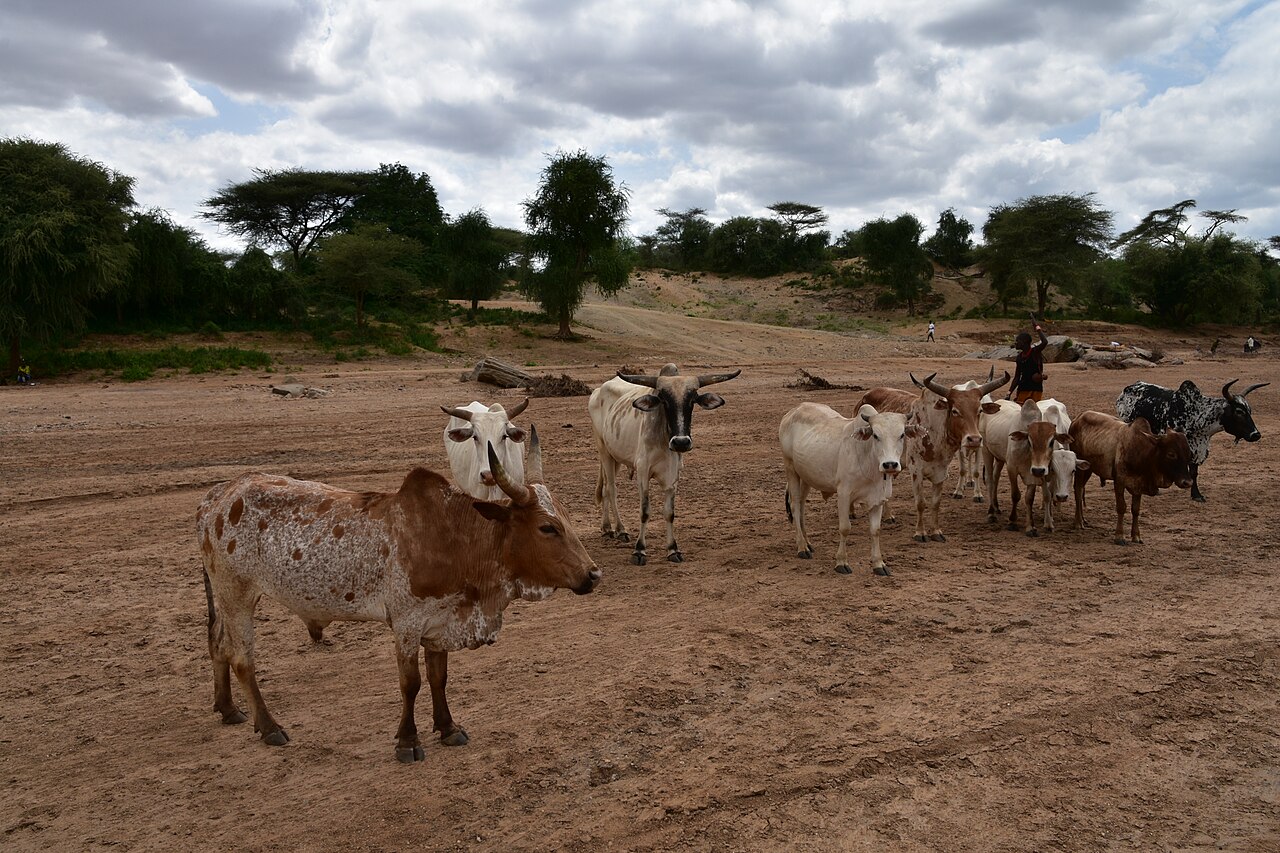
To understand the Hamar bull jumping, one must first understand the Hamar themselves. Numbering roughly 50,000 to 60,000 people, the Hamar (also spelled Hamer) are a pastoralist community living in the semi-arid lowlands of southwestern Ethiopia, primarily in the Debub Omo Zone of the Southern Nations, Nationalities, and Peoples’ Region (SNNPR). Their territory is a rugged landscape of acacia-dotted savannah, dry riverbeds, and volcanic hills, centered around the town of Turmi, which serves as the main gateway for visitors and a bustling market hub. The Hamar share linguistic and cultural ties with other Omotic-speaking groups in the region, including the Banna, Bashada, and Kara peoples, but their unique social structure and rituals, particularly the bull jumping, set them apart.
The Hamar are fiercely proud of their pastoral heritage. Cattle are not merely a source of milk, blood, and meat; they are currency, status symbols, and the central thread of social life. A man’s wealth, his ability to marry, and his standing in the community are all measured in cattle. This deep connection explains why the central ritual of manhood involves proving one’s mastery over a line of bulls. The ceremony, known in the Hamar language as Ukuli Bula, is the culmination of years of preparation and marks a boy’s transition into the class of adult men, or maza.
The Social Structure of Hamar Society
Hamar society is organized into a complex system of age-sets and clans. Boys and girls are initiated into specific age groups, which dictate social responsibilities and marriage eligibility. The bull jumping ceremony is the key event for men within this system. A young man typically undertakes the ceremony between the ages of 15 and 25, though the timing depends on his family’s readiness to organize the event, which requires significant resources. The ceremony is not an annual event but is held when enough candidates—usually a group of brothers or cousins—are ready to jump. This can mean several years may pass between ceremonies in a single village.
The role of women in Hamar society is equally defined by ritual. While men prove their mettle through the bull jumping, women demonstrate their devotion and loyalty through a practice that often shocks outsiders: the ukuli whipping ceremony. Before the bull jumping, female relatives—typically sisters and cousins of the jumper—voluntarily submit to being whipped with a switch of tree branches by a recently initiated man. This act is not one of punishment but of profound love and sacrifice. The women endure the pain to show their support for the jumper, to strengthen his courage, and to affirm their own bond with him. The resulting scars, known as shalasha, are worn with pride as symbols of devotion and beauty.
The Hamar Bull Jumping: A Step-by-Step Ritual
The Hamar bull jumping ceremony is a multi-day affair, a vibrant spectacle of body painting, chanting, dancing, and feasting. It is a deeply communal event, drawing hundreds of people from surrounding villages and, increasingly, a small number of respectful tourists. The atmosphere is electric, a blend of high tension and joyful celebration.
Day One: Preparation and Body Adornment
The ceremony begins with elaborate preparation. The young jumper, along with his age-mates and family, spends hours on body decoration. His body is rubbed with butter and red ochre, giving his skin a rich, glossy sheen. An elder or a skilled artist then paints intricate patterns on his torso, arms, and legs using white chalk and natural pigments. These designs are not merely decorative; they are symbolic, often representing cattle, fertility, and protective spirits. His hair is shaved or shaped, and he is adorned with new cloth, beads, and a headpiece made of ostrich feathers or clay. The jumper is now visually transformed, set apart as the central figure of the ritual.
Meanwhile, the women of the village prepare their own bodies. They smear themselves with butter and ochre, wear heavy iron and bead jewelry, and decorate their leather skirts with cowrie shells. The atmosphere in the village is one of controlled chaos—cattle are gathered, food is prepared, and the air fills with the sound of singing and the lowing of animals. The bull jumping is not a private event; it is the village’s collective project.
The Line of Bulls: The Core of the Hamar Bull Jumping
The central act of the ceremony takes place on the second day. The family of the jumper must provide a line of bulls and steers—typically between 10 and 30 animals. These are not wild beasts but domestic cattle, though they are often agitated and nervous from the commotion. The animals are lined up side-by-side, their backs forming a narrow, unsteady platform. The bulls are held in place by a group of young men, who grasp their tails and horns to keep them as still as possible.
The jumper, now stripped to a loincloth, stands at one end of the line. The entire community gathers in a tight circle, singing, clapping, and ululating. The tension is palpable. The young man must run, leap onto the backs of the first few animals, and then sprint across the entire line of bulls, from one end to the other, without falling. He must do this four times in a row. Each successful crossing is met with a roar of approval from the crowd. A fall is considered a deep humiliation, a sign of weakness or bad omens, and the jumper may have to wait another year—or longer—for another chance. The physical and mental demands are immense: balance, speed, and an almost superhuman focus are required to navigate the shifting, frightened animals.
“When you run on the bulls, you are not just running. You are leaving your childhood behind. You are becoming a man for your family, for your clan. The bulls are the bridge.” — Mamo, a Hamar elder who completed the ceremony in 1998, as told to a researcher in Turmi.
Beyond the Jump: The Aftermath and New Status
Once the young man has successfully completed his four runs, his transformation is immediate and profound. He is no longer a boy. He is now a maza, a full adult man. He is immediately surrounded by his female relatives, who embrace him, cover him in butter, and lead him away from the cattle. The community erupts in song and dance that can continue late into the night.
With his new status come significant rights and responsibilities. He can now:
- Marry: He may begin negotiations for a wife. The bride price, paid in cattle, is substantial, often 20 to 30 head.
- Own cattle independently: He gains the right to his own herd, separate from his father’s.
- Participate in village councils: He can now speak in the duba, the men’s assembly, and have a say in community decisions.
- Father children: His children will be legitimate and belong to his clan.
The ceremony also strengthens the bond between the jumper and his age-mates. The group of young men who jumped together form a lifelong bond of mutual support and obligation, similar to a fraternity. They will rely on each other for herding, raiding, and social support for the rest of their lives.
The Role of Women: Whipping, Scars, and Devotion
No description of the Hamar bull jumping is complete without addressing the controversial and often misunderstood practice of the whipping ceremony. Before the bull jumping begins, the female relatives of the jumper—his sisters, cousins, and sometimes his betrothed—gather in a separate area. They sing and dance, working themselves into a state of heightened emotion. Then, they approach a recently initiated man, one of the maza, and demand to be whipped.
The whipping is done with a flexible switch of donga or birbirsa branches. The man strikes the women across their bare backs, leaving raised welts and, eventually, deep, permanent scars. The women do not flinch; they goad the man, urging him to strike harder. They endure the pain as a gift to their brother or relative. The logic is powerful:
- To show love and solidarity: The pain proves their devotion to the jumper.
- To strengthen his courage: By suffering for him, they believe they transfer their strength and courage to him, helping him succeed.
- To pay a debt: It is seen as a form of repayment for the care the jumper’s family has given them.
- To earn beauty and status: The scars are considered beautiful and honorable. A woman with prominent shalasha scars is seen as a loyal and valuable member of the community, which enhances her marriage prospects.
This practice is frequently criticized by outsiders as abusive. However, it is essential to understand it within its cultural context. The women are not passive victims; they are active, willing participants in a ritual they consider sacred. They choose to be whipped, and they take immense pride in their scars. Attempts by missionaries and NGOs to stop the practice have largely failed, as the Hamar fiercely defend it as a core part of their identity. For them, it is an act of love, not violence.
Modernity, Tourism, and the Future of the Hamar Bull Jumping
The Omo Valley is not a static museum piece. It is a region undergoing rapid and often disruptive change. The Hamar people are increasingly interacting with the modern world, and the bull jumping ceremony is evolving in response. Several key factors are shaping its future:
| Factor | Impact on Hamar Bull Jumping Ceremony | Example / Detail |
|---|---|---|
| Tourism | Increased demand for “authentic” ceremonies. Some villages now hold abbreviated versions for paying tourists. This can generate income but risks commodifying a sacred ritual. | In 2023, a single ceremony in Turmi could attract up to 50 tourists, each paying $50-$100. Some elders worry about the loss of spiritual meaning. |
| Education | Young Hamar are attending government schools. This delays initiation and exposes them to outside values. Some boys now question the necessity of bull jumping. | The nearest secondary school is in Turmi. Many boys must board away from home, missing the traditional herding life that prepares them for the ceremony. |
| Dams & Development | The Gibe III dam on the Omo River has altered flooding patterns, impacting traditional agriculture and grazing. This reduces the cattle wealth that underpins the ceremony. | Reduced grazing land has led to increased conflict with neighboring groups like the Nyangatom. Cattle herds are shrinking for some families, making it harder to afford the ceremony. |
| Government Policy | The Ethiopian government promotes “cultural tourism” but also encourages “modernization.” There is pressure to modify or ban the whipping aspect of the ceremony. | In 2017, local authorities briefly attempted to restrict the whipping, but faced strong community resistance and backed down. |
| Media & Exposure | Documentaries and social media have made the ceremony globally famous. This creates pride but also scrutiny. Hamar youth are now aware of how outsiders view their traditions. | National Geographic and the BBC have filmed the ceremony. Some Hamar now use smartphones to record their own ceremonies and share them online. |
The future of the Hamar bull jumping is not one of simple disappearance or preservation. It is a negotiation. The Hamar are actively deciding which aspects of their tradition to hold onto, which to adapt, and how to engage with the outside world on their own terms. The ceremony is unlikely to vanish, but its form will continue to change. The core meaning—the transition to manhood and the reaffirmation of community bonds—remains deeply relevant, even as the context shifts.
Practical Information: Witnessing the Hamar Bull Jumping
For travelers who wish to witness this extraordinary event, it is crucial to do so with respect and awareness. The Hamar are not a tourist attraction; they are a proud people allowing outsiders a glimpse into their sacred world. Here are key guidelines:
- When to go: Ceremonies are most common after the harvest, typically from June to September, and again from November to February. There is no fixed schedule. You must rely on local guides and contacts.
- Hire a local guide: Never go alone. A guide from Turmi or a nearby village is essential for logistics, language, and cultural mediation. Expect to pay $30-$50 per day for a good guide.
- Ask permission: Always ask before taking photographs or videos. Many Hamar expect a small fee (around 10-50 Ethiopian birr per photo). Do not be pushy.
- Dress modestly: Cover your shoulders and knees. Avoid flashy jewelry or clothing that might cause offense.
- Do not touch: Do not touch the jumper, the bulls, or the women during the whipping ceremony. You are an observer, not a participant.
- Respect the sacred: The ceremony is not a show for your entertainment. It is a real rite of passage. Be quiet during the jumping. Do not laugh or make jokes.
- Support the community: Buy local crafts, hire local people, and consider donating to community projects if you feel moved. Avoid giving candy or money directly to children, as this can create dependency and distort local economies.
Conclusion: The Enduring Power of the Hamar Bull Jumping
The Hamar bull jumping ceremony is far more than a tourist spectacle or a footnote in an anthropology textbook. It is a vivid, living expression of identity, courage, and community in one of the most culturally rich and challenging environments on Earth. It speaks to universal human themes: the passage from childhood to adulthood, the value of endurance, the strength of family bonds, and the deep connection between a people and their land. As the Omo Valley faces the pressures of a globalizing world, the Hamar bull jumping stands as a powerful symbol of resilience. It is a reminder that traditions are not static relics but dynamic, evolving practices that help people navigate change while staying rooted in who they are. For the young man who runs across those trembling backs, for the women who carry their scars with pride, and for the entire community that gathers to witness the transformation, the ceremony remains an unbreakable thread in the fabric of Hamar life—a thread woven with dust, sweat, blood, and an unyielding love for a way of being that has endured for centuries and, with luck and respect, will endure for many more to come.