📅 Last updated: 29.08.2026
The Aksum obelisks Ethiopia raised into the sky are more than ancient stone; they are a frozen symphony of engineering, faith, and imperial ambition that still commands the horizon of the northern Tigray town of Aksum. Standing in the central stele field, you are not merely looking at monuments—you are standing in the presence of a civilization that, at its zenith in the 4th century CE, was one of the four great powers of the ancient world, alongside Rome, Persia, and China. These monolithic granite needles, some reaching over 30 meters into the air, are not just relics of a bygone era; they are the enduring signature of a kingdom that minted its own currency, traded with Byzantium and India, and claimed descent from the Queen of Sheba.
- What Exactly Are the Aksum Obelisks? Decoding the Giant Steles
- The Engineering Marvel Behind the Aksum Obelisks Ethiopia
- A Tale of Two Continents: The Theft and Return of the Obelisk of Rome
- Beyond the Stones: The Kingdom That Built Them
- Modern Aksum: A Living City, Not Just a Museum
- Preservation and Challenges in the 21st Century
- Visiting the Stele Field: A Practical Guide
- The Global Significance of the Aksum Obelisks Ethiopia
- A Legacy Etched in Stone
What Exactly Are the Aksum Obelisks? Decoding the Giant Steles
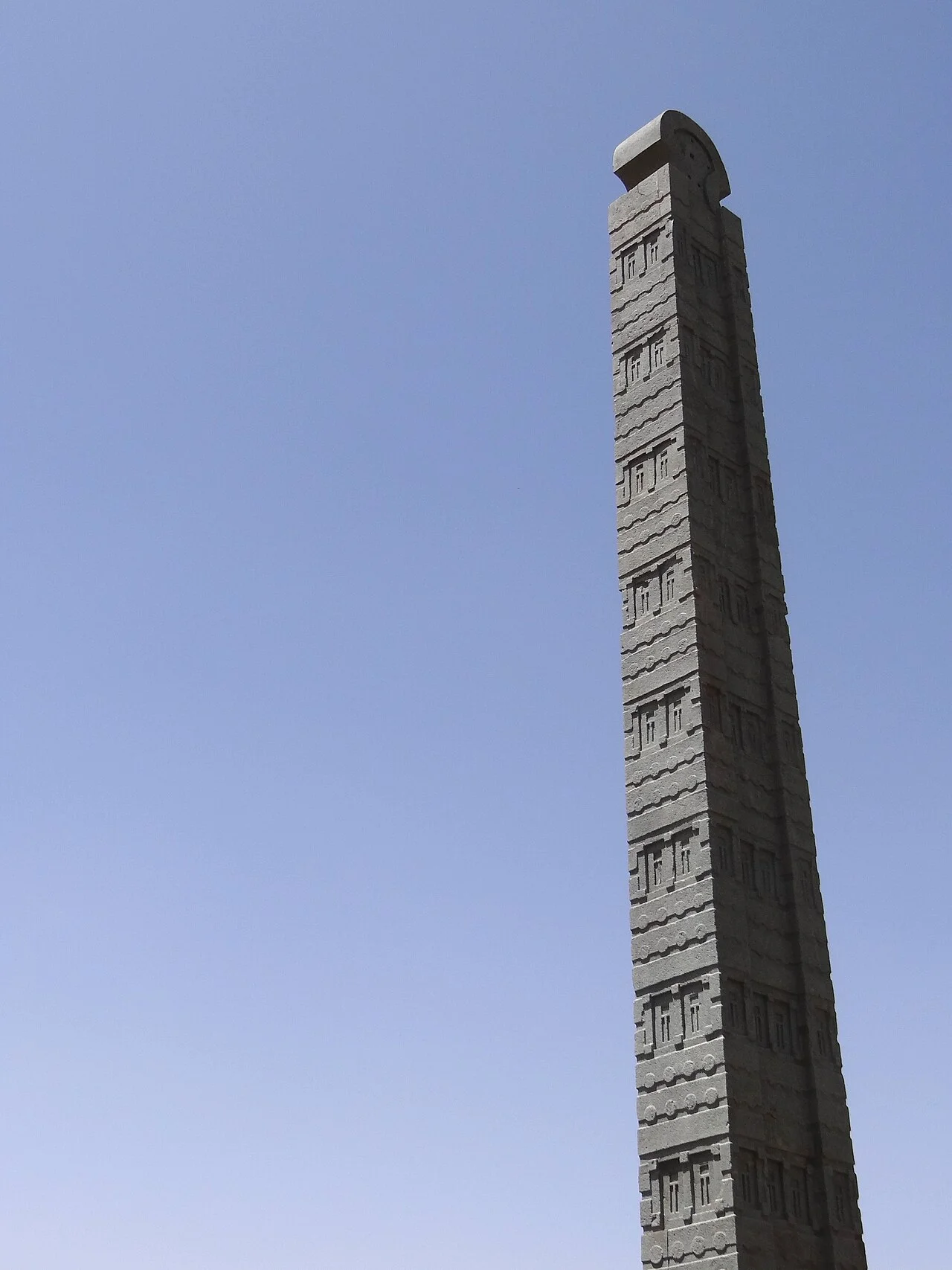
To the uninitiated, the steles look like flat-sided, rounded-top skyscrapers of a forgotten age, but to the people of Aksum, they were stelae—funerary markers that signified the power and prestige of the elite buried in the tombs below. Unlike the obelisks of Egypt, which were often carved from a single block of granite and dedicated to the sun god Ra, the Aksumite steles are distinctly architectural. They are carved to imitate multi-story buildings, complete with false doors, windows, and wooden beam ends, all rendered in intricate relief on the hard stone surface.
These are not Egyptian obelisks; they are Aksumite inventions, representing a “vertical architecture” that celebrated the transition of a king from the earthly realm to the divine. The largest standing stele, the Great Stele (also known as the Obelisk of Aksum), stands at 24 meters (79 feet) tall and weighs an estimated 160 tons. But it is not the largest ever carved. That title belongs to the Great Stele of Aksum—often called the Obelisk of Rome—which lies broken and fallen on the ground, a giant that never made it upright. It is estimated to have been a staggering 33 meters (108 feet) tall and would have weighed over 500 tons, a feat of engineering that even the Romans would have struggled to replicate.
The Language of Stone: Symbols and Carvings
Look closely at the steles, and you will notice the details are not random. The false doors at the base were meant to be the entrance to the tomb, a symbolic passageway. The “windows” and “beams” were not just decorative; they were a visual representation of the palace of the deceased, a way to ensure the ruler had a permanent home in the afterlife. The grooves and channels carved into the tops of the steles were likely used for attaching metal fixtures, possibly bronze or gold, which would have caught the sun and made the monuments glow with divine light. In a land where the sun is a constant presence, these shimmering tops would have been a powerful sight.
“The steles are not gravestones in the Western sense,” explains Dr. Wolbert Smidt, a historian specializing in Ethiopian studies. “They are the physical manifestation of the Aksumite state ideology—a fusion of local tradition and international ambition, set in stone to last for eternity.”
The Engineering Marvel Behind the Aksum Obelisks Ethiopia
How did a civilization without modern cranes or pulleys manage to quarry, transport, and erect these colossal monoliths? The answer lies in a combination of geological knowledge, sheer manpower, and ingenious engineering. The steles were carved from nepheline syenite, a granite-like rock found in the quarries at Wuchate Golo, about 4 kilometers (2.5 miles) from the city center. At the quarry, you can still see the half-finished “Giant Stele” lying in the rock, abandoned mid-carving due to a crack in the stone—a testament to the risk and complexity of the operation.
The process was likely as follows:
- Quarrying: Workers used dolerite hammers to pound trenches around the block, a slow process that could take years. Water was poured on the rock to soften it, and wooden wedges were inserted and soaked to expand, eventually splitting the stone free.
- Transport: Once freed, the massive block was dragged on wooden sledges over rollers made of tree trunks. The route from the quarry to the stele field is downhill, which helped, but controlling a 160-ton block on a slope would have required thousands of workers and intricate rope systems.
- Erection: The steles were raised by building a massive earthen ramp, then levering the stone into a prepared socket pit. The stele was tipped into the pit, and the ramp was removed. This was a dangerous maneuver, and the presence of the fallen giant suggests that not every attempt was successful.
The precision of the carving is what astounds modern engineers. The sides of the steles are flat to within a few millimeters, and the false doorways are perfectly symmetrical. This level of accuracy suggests a deep understanding of geometry and a highly organized labor force. It is estimated that the construction of the largest steles would have required a workforce of 10,000 to 15,000 people, including masons, laborers, and overseers, all supported by the agricultural surplus of the fertile Tigray highlands.
The Reign of King Ezana and the Christian Shift
The construction of these monuments peaked during the reign of King Ezana (c. 320–360 CE), the ruler who converted Aksum to Christianity. This is a fascinating paradox: the very king who embraced the new religion of Christianity was also the one who commissioned the largest of the pagan-style steles. The Great Stele, the one that stands today, is attributed to him, though it was likely carved just before his conversion. After his conversion, the practice of erecting giant steles gradually ceased, replaced by church-building and underground tombs. The steles thus represent the final, magnificent flourish of the old Aksumite religion, a last gasp of monumental paganism before the Christian era reshaped the kingdom’s identity.
A Tale of Two Continents: The Theft and Return of the Obelisk of Rome
The story of the Aksum obelisks Ethiopia is not just one of ancient history; it is a modern tale of colonialism, restitution, and resilience. In 1937, after the Italian invasion of Ethiopia, the fascist regime of Benito Mussolini looted the second-largest stele, the 24-meter, 160-ton Obelisk of Rome, and shipped it to Italy. It was erected in the Porta Capena square in Rome, a blatant symbol of imperial conquest and a painful reminder of the occupation for Ethiopians.
For decades, the Ethiopian government demanded its return. Finally, in 2005, after a long and complicated legal and logistical process, the obelisk was dismantled into three pieces and flown back to Ethiopia on an Antonov An-124 cargo plane, a gift from the Italian government to mark the 60th anniversary of the end of the Italian occupation. It was re-erected in its original location in the Aksum stele field on July 31, 2008, amidst national celebration. The return was not just about a piece of stone; it was about recovering a piece of national soul.
| Stele Name | Height | Status | Key Historical Fact |
|---|---|---|---|
| The Great Stele | 24 meters (79 ft) | Standing | Largest intact stele in the world; attributed to King Ezana. |
| Obelisk of Rome | 24 meters (79 ft) | Standing (re-erected 2008) | Looted by Italy in 1937; returned after 68 years. |
| The Giant Stele (Fallen) | 33 meters (108 ft) | Broken & Fallen | Never successfully erected; possibly cracked during construction. |
| The Smaller Steles | 3–15 meters (10–50 ft) | Various | Dating from the 3rd to 4th centuries CE; many are unadorned. |
Beyond the Stones: The Kingdom That Built Them
To understand the steles, you must understand the kingdom that created them. The Kingdom of Aksum emerged around the 1st century CE, growing from a small trading post into a dominant empire that controlled the Red Sea coast, parts of modern-day Sudan, and the highlands of northern Ethiopia and Eritrea. Its port, Adulis (near modern Zula in Eritrea), was a bustling hub of international commerce, handling goods like ivory, gold, obsidian, and exotic animals, which were traded for textiles, glass, and wine from the Roman Empire and spices from India.
The Aksumites were also pioneers of currency. They were the first African kingdom to mint their own coins, initially in gold and silver, and later in bronze. These coins are a treasure trove of information, bearing the images of kings in profile, often with a cross or a crescent moon, reflecting the religious evolution of the kingdom. The coins were minted in Greek, Ge’ez, and Sabaen, demonstrating the multi-lingual nature of Aksumite society. They also provide a precise timeline of the kings, allowing historians to date the steles with remarkable accuracy.
The Ark of the Covenant: A Living Legend
No article on Aksum is complete without mentioning the Ark of the Covenant. The Ethiopian Orthodox Church claims that the original Ark, containing the stone tablets of the Ten Commandments, is housed in the Chapel of the Tablet at the Church of St. Mary of Zion in Aksum. According to tradition, it was brought to Ethiopia by Menelik I, the son of the Queen of Sheba and King Solomon. While the Ark is never seen by the public—only a single guardian monk is allowed into its presence—the legend adds a layer of profound spiritual significance to the site. The steles, then, are not just ancient artifacts; they are part of a living, breathing sacred landscape that continues to draw pilgrims and worshippers today.
Modern Aksum: A Living City, Not Just a Museum
Today, Aksum is a vibrant town of over 66,000 people, a place where ancient stone and modern life intertwine. It is a UNESCO World Heritage Site, but it is far from being a frozen relic.
- Religious Festivals: The town hosts massive celebrations for Timkat (Epiphany) and Meskel (Finding of the True Cross), where the streets fill with priests in ornate robes, chanting, and dancing.
- Local Economy: Beyond tourism, Aksum thrives on agriculture, with the surrounding fertile lands producing teff (the grain used for injera), wheat, and barley. The town also has a vibrant market selling traditional crosses, woven textiles, and local honey.
- Academic Hub: Aksum University, established in 2007, brings a youthful energy to the town, with students studying everything from archaeology to modern computer science, ensuring that the legacy of the kingdom is studied and reinterpreted for new generations.
The steles are not just tourist attractions; they are a source of immense pride for the people of Aksum. They are the backdrop for daily life, a constant reminder of a glorious past. The town’s identity is inseparable from these monoliths, and the local community is deeply involved in their preservation.
Preservation and Challenges in the 21st Century
Preserving the Aksum obelisks Ethiopia is a complex and ongoing challenge. The stones are exposed to the elements, and over centuries, they have suffered from weathering, erosion, and even lightning strikes. The fallen Giant Stele, in particular, is at risk of further cracking and disintegration. In 2020, the World Monuments Fund included Aksum on its watch list, highlighting the urgent need for conservation.
However, preservation is not just about stabilizing the stone. It is about managing the growing number of visitors, protecting the site from encroaching development, and ensuring that local communities benefit from heritage tourism. The Ethiopian government, in partnership with international organizations, has been working on a comprehensive management plan that includes:
- Structural reinforcement: Using non-invasive techniques to stabilize cracks and prevent water ingress.
- Site management: Creating designated pathways and visitor centers to minimize foot traffic on the fragile archaeological layers.
- Community engagement: Training local guides and involving residents in the stewardship of the site.
The challenge is immense, but the will to protect this heritage is strong. In a region that has faced political instability and conflict, the steles stand as a symbol of enduring identity. During the recent Tigray conflict (2020-2022), there were fears that the site would be damaged, but the steles survived, a testament to their resilience and the respect they command.
Visiting the Stele Field: A Practical Guide
For those planning a journey to see these wonders, here are a few essential tips to make the most of your visit.
- Best Time to Visit: The dry season, from October to March, offers the clearest skies and most comfortable temperatures. The festival of Timkat in January is spectacular but crowded.
- Getting There: Aksum is served by an airport with daily flights from Addis Ababa (about 1 hour 45 minutes). You can also travel by bus from Mekelle (about 4 hours) or Gondar (about 8 hours), though the roads can be rough.
- What to See: The Central Stele Field is the main attraction, but also visit the Tombs of Kaleb and Gebre Meskel, the Queen of Sheba’s Bath (a large water reservoir), and the Archaeological Museum which houses a superb collection of coins and pottery.
- Dress Code: Aksum is a deeply religious and conservative town. Dress modestly, especially when visiting the Church of St. Mary of Zion. Women should cover their heads, and both men and women should cover their shoulders and knees.
- Local Etiquette: Always ask permission before taking photos of people. Guides are available and highly recommended to provide context and historical depth.
Visiting Aksum is not a typical safari experience; it is a pilgrimage into the heart of Ethiopian civilization. The steles are awe-inspiring, but the atmosphere of the town—the sound of the church bells, the smell of coffee roasting, the warmth of the people—is what truly leaves a lasting impression.
The Global Significance of the Aksum Obelisks Ethiopia
The Aksum obelisks Ethiopia are not just a national treasure; they are a priceless contribution to world heritage. They represent a high point of African engineering and artistry, challenging the outdated narratives that often portray pre-colonial Africa as primitive or isolated. The steles demonstrate that Africa was a center of innovation and global trade, connected to the wider world in complex and sophisticated ways. The return of the Obelisk of Rome was a landmark moment in the global conversation about cultural restitution, setting a precedent for the return of looted artifacts from museums and private collections across the world. The steles are a reminder that history is not static; it is a living dialogue between the past and the present, and the people of Ethiopia are the custodians of that dialogue.
A Legacy Etched in Stone
As the sun sets over the Tigray highlands, the long shadows of the steles stretch across the field, creating a scene of haunting beauty. These monoliths have witnessed the rise and fall of empires, the birth of a new religion, the cruelty of colonial looting, and the joy of restitution. They stand as silent witnesses to the resilience of a people and the enduring power of human creativity. To stand before them is to feel a connection to a deep and proud history, a history that is still being written by the modern nation of Ethiopia. The Aksum obelisks are not just stones; they are the soul of a people, reaching for the sky, forever.