📅 Last updated: 23.11.2026
Jollof rice is more than lunch; it is a conversation, a rivalry, a birthright. Across a belt of countries from Senegal to Nigeria, cooks transform rice, tomatoes, peppers and onions into a single pot of smoky, ochre-red grain that anchors weddings, funerals, Sunday tables and late-night debates. The dish travels under different names and different ratios, but everyone claims the best version — and everyone is prepared to argue about it for hours.
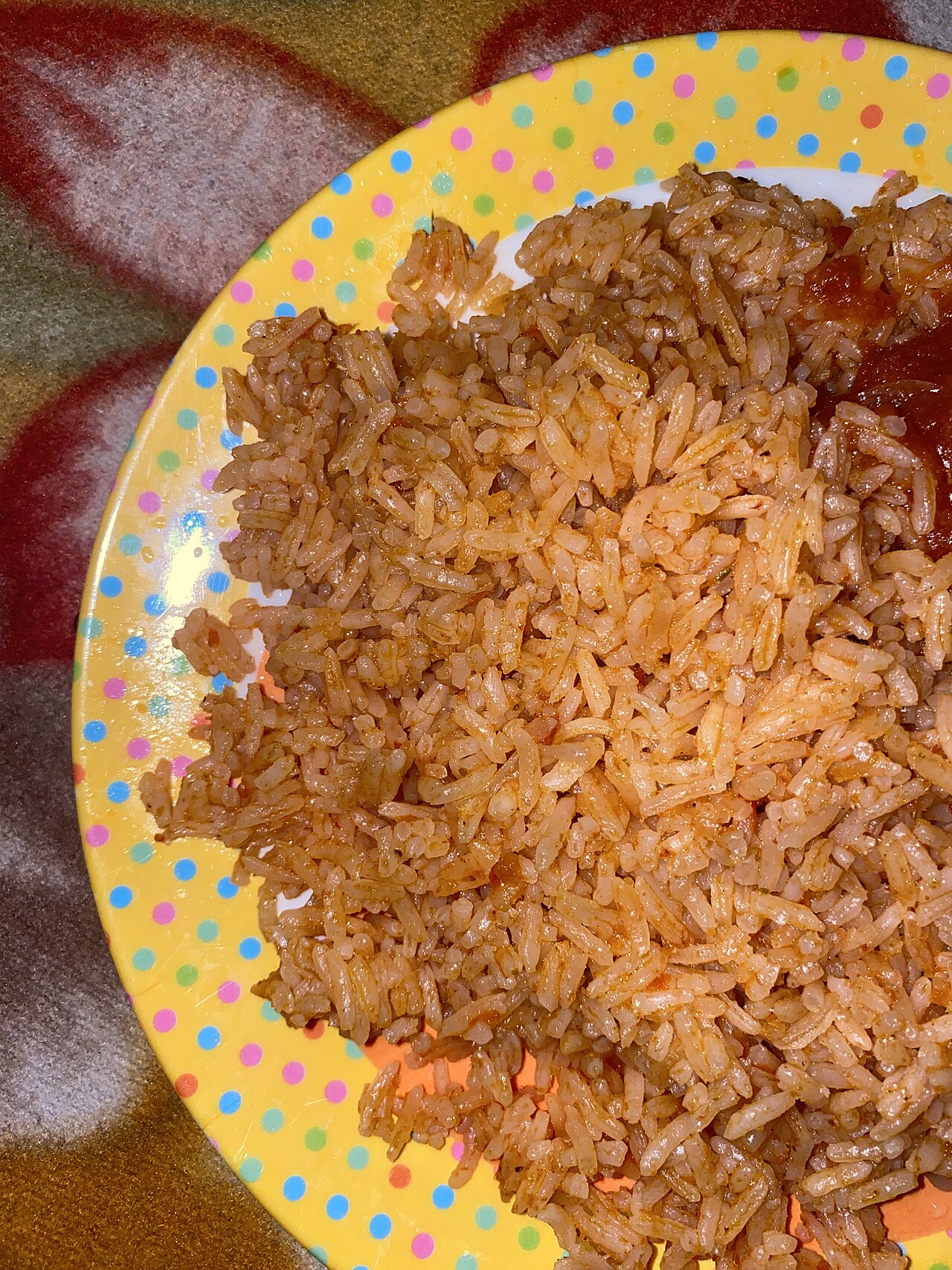
Jollof rice is a one-pot West African dish of rice simmered in a blended base of tomatoes, red bell peppers, onions and chili, seasoned with spices and often finished with smoky heat from wood fire or a lightly scorched pot bottom. Its name most likely derives from the Wolof word for rice, ceebu jën territory — the Senegambian “jollof” (or Wolof) people — and the dish spread through trade, migration and empire along the coast. Today it is the signature dish of Nigeria, Ghana, Senegal, Sierra Leone, Liberia, Cameroon and The Gambia, each with distinct techniques and fierce loyalties.
- Where did Jollof rice actually come from?
- What makes Jollof rice taste the way it does?
- How does Jollof rice differ across West Africa?
- Why is there a "Jollof Wars" rivalry?
- How did Jollof rice become a global dish?
- How do you cook Jollof rice well at home?
- What does Jollof rice mean beyond the plate?
- The pot that keeps arguing
Where did Jollof rice actually come from?
The dish’s ancestry runs through the Wolof Empire, which flourished in the Senegambia region — today’s Senegal and The Gambia — between roughly the 13th and 16th centuries. The Wolof word for rice is wolof in some renderings, and European traders and colonial chroniclers recorded rice dishes cooked in tomato and pepper bases along that coast. Over centuries, the recipe moved with traders, migrant cooks, and — crucially — with enslaved Africans carried across the Atlantic, where related rice-and-tomato traditions took root in the American South and the Caribbean.
What makes the modern dish distinctive is the tomato. Tomatoes are a New World crop, arriving in West Africa via Portuguese and other European trade routes from the 16th century onward. The red, stewed tomato base that defines most contemporary jollof is therefore a post-Columbian invention layered onto much older rice-and-pepper cooking traditions. That history matters: jollof is not a static heirloom but a living recipe that absorbed new ingredients and kept its identity.
Jollof, thieboudienne and the rice question
Senegal’s national dish, thieboudienne (also spelled ceebu jën), is a fish-and-rice preparation cooked in a tomato base — a close cousin, and for many Senegalese the true ancestor. In The Gambia, benachin (“one pot”) describes the same family of dishes. In Ghana, the dish is simply “jollof,” and in Nigeria it is “jollof rice” with a hundred regional variations. Cameroon’s version, jollof or riz jollof, leans on a deeper, longer-cooked base. The family resemblance is unmistakable; the family arguments are permanent.
What makes Jollof rice taste the way it does?
The technique is deceptively simple and unforgiving. The base — called obe ata in Yoruba cooking or simply the “stew” — is a blended purée of tomatoes, red bell peppers (tatashe), Scotch bonnet or habanero peppers, onions and sometimes garlic and ginger. That purée is fried down in oil until the raw edge disappears and the color deepens from bright red to a darker brick. Only then does the rice go in, usually parboiled long-grain rice, stirred to coat, then simmered in stock with the lid on until the liquid is absorbed.
Two details separate competent jollof from memorable jollof. The first is the fry: the base must cook long enough that the tomatoes lose their acidity and the oil separates slightly. The second is the finish — the party jollof signature of smoke. In Nigeria, that smokiness comes from cooking over firewood or charcoal, or from letting the bottom of the pot scorch just enough to perfume the whole batch. The crusty layer at the bottom, called kanzo in some Nigerian homes, is fought over.
- The base: Blend tomatoes, red bell peppers, Scotch bonnet, onion, garlic and ginger; fry slowly until thick and dark.
- The rice: Long-grain or parboiled rice, rinsed, added to the fried base and coated before stock goes in.
- The finish: Low, covered heat; a controlled scorch at the bottom; rest before serving so steam settles the grains.
How does Jollof rice differ across West Africa?
Ask a Nigerian, a Ghanaian and a Senegalese cook to describe jollof and you will get three recipes and three verdicts on everyone else’s. The differences are real, and they are the engine of the dish’s fame.
| Country | Local name | Distinctive features | Signature pairing |
|---|---|---|---|
| Senegal | Thieboudienne / ceebu jën | Fish cooked first, rice simmered in the tomato-fish broth; often includes vegetables | Grilled fish, tamarind, carrots and cassava |
| The Gambia | Benachin | “One pot” method; tomato and pepper base with fish or meat | Fried fish, okra, bitter leaf |
| Nigeria | Jollof rice | Long parboiled rice, deep red base, smoky “party jollof” finish over wood fire | Fried plantain, chicken, moi moi (steamed bean pudding) |
| Ghana | Jollof | Slightly sweeter base with more pepper; often cooked with a little butter or margarine | Grilled tilapia, shito (pepper sauce), fried plantain |
| Cameroon | Riz jollof | Longer-cooked, deeper-colored base; French and local influences | Grilled chicken, fried fish, plantain |
| Sierra Leone / Liberia | Jollof rice | Rice cooked in a rich tomato-pepper stew; coastal fish and cassava leaf sides | Fish, cassava leaf, pepper soup |
Ghana’s version often uses a touch of margarine or butter and a base that leans a little sweeter. Nigeria’s is defined by the smoky finish and by the sheer scale of its party culture — a Nigerian wedding without a jollof pot is not a wedding. Senegal’s thieboudienne is a more elaborate, complete meal, with fish and vegetables cooked in the same pot and rice absorbing the broth. Each country’s claim is genuine; each country’s dismissal of the others is affectionate.
Why is there a “Jollof Wars” rivalry?
The so-called Jollof Wars — the playful, occasionally ferocious argument over whose jollof is best — is one of West Africa’s most exportable cultural products. It went global in the 2010s through social media, diaspora potlucks and celebrity chef showdowns. Nigerian and Ghanaian communities in London, Houston, Toronto and Johannesburg have staged cook-offs; the rivalry has been covered by the BBC, CNN and The Guardian, and it has driven a genuine culinary tourism economy.
The rivalry is not new. Regional pride in rice cookery is older than the internet, rooted in the way each country’s cooks adapted the base to local peppers, local rice and local fire. What changed is the audience. When Ghanaian and Nigerian diaspora cooks began posting side-by-side comparisons, the argument became a shared cultural language — a way of claiming heritage while inviting the world to the table.
What the rivalry gets right
Beneath the jokes, the Jollof Wars have done real work. They have pushed cooks to articulate technique — the length of the fry, the type of rice, the source of smoke — and they have made a West African staple a global brand. Food writers now treat jollof with the seriousness once reserved for French sauces. Restaurants from Accra to Atlanta list “party jollof” as a headline dish.
How did Jollof rice become a global dish?
Migration did it. West African communities in Europe and North America carried the recipe with them, and the dish crossed over through restaurants, church halls, university societies and, later, TikTok. London’s Peckham and Tottenham, Houston’s Alief, Toronto’s Rexdale and Paris’s Château Rouge all have jollof on the menu. Chefs such as Nigeria’s Michael Elegbede and a generation of diaspora cooks have reworked it for fine dining without abandoning the pot.
The recognition followed the food. In 2022, UNESCO added Senegal’s ceebu jën to its Representative List of the Intangible Cultural Heritage of Humanity — a formal acknowledgment that this family of rice dishes carries cultural weight far beyond the plate. The listing named the dish by its Wolof name and credited its role in Senegalese social life. For jollof’s broader family, it was a vindication.
Today the dish is a fixture of global food festivals, a staple of African restaurant menus from Lisbon to Melbourne, and a reliable viral subject. Its appeal is structural: it is cheap to make, feeds a crowd, and tastes of smoke and pepper and home.
How do you cook Jollof rice well at home?
The good news is that excellent jollof does not require a wood fire or a grandmother’s cast-iron pot, though both help. It requires patience with the base and restraint with the liquid. Here is a working method that honors the tradition without demanding a trip to Lagos.
- Fry the base properly. Blend tomatoes, red bell peppers, onion, Scotch bonnet, garlic and ginger, then cook the purée in oil over medium heat for 15–25 minutes until it darkens and the oil pools at the edges.
- Season in layers. Curry powder, thyme, bay leaf, salt and a stock cube go into the base, not just the liquid. Taste before the rice goes in.
- Use the right rice. Long-grain parboiled rice holds up best; rinse it until the water runs clear to shed surface starch.
- Control the liquid. Add stock at roughly a 1.5:1 ratio to rice, bring to a simmer, then cover and cook low. Too much liquid produces porridge, not jollof.
- Chase the smoke. For a party-jollof finish, let the bottom scorch lightly at the end, or finish the covered pot over a low flame for a few extra minutes. Rest off the heat before serving.
The mistakes that ruin a pot
Undercooked base is the most common failure: if the tomato purée still tastes sharp when the rice goes in, the finished dish will taste raw. Overcrowding the pot is the second — rice needs room to steam evenly. And skipping the rest is the third; jollof straight off the heat is still settling, and five minutes with the lid on makes a visible difference.
What does Jollof rice mean beyond the plate?
In Nigeria, jollof is the dish of ceremony. A wedding reception without it is a scandal; a political rally without it is a failure of hospitality. In Ghana, it is the centerpiece of outdoorings and funerals alike. In Senegal, thieboudienne is served on a communal platter, eaten with the right hand, and its preparation is a marker of a cook’s standing. The dish carries the logic of West African hospitality: one pot, many people, no one turned away.
It also carries economics. A pot of jollof can feed a family for a fraction of the cost of a meat-centered meal, which is part of why it travels so well across class lines. Street vendors in Lagos and Accra sell it by the plate at midday; caterers sell it by the hundred at weekends. The dish is both everyday and ceremonial, which is a rare combination.
The pot that keeps arguing
Jollof rice has survived empire, the Columbian exchange, colonialism, migration and the internet, and it has come out the other side louder and more loved. Its genius is its adaptability: the same base technique bends to local peppers, local rice and local fire, so every country can claim it as its own without being wrong. The arguments over whose version wins are not a distraction from the dish’s meaning — they are the meaning. A food that people are willing to defend that fiercely is a food that has become identity.
Cook it this weekend. Fry the base longer than feels reasonable. Let the bottom catch just a little. Then serve it to people you like and listen to them argue about whether it is the real thing. That argument, more than any recipe, is what jollof rice has always been for.